Small support place
McClellanville at a glance
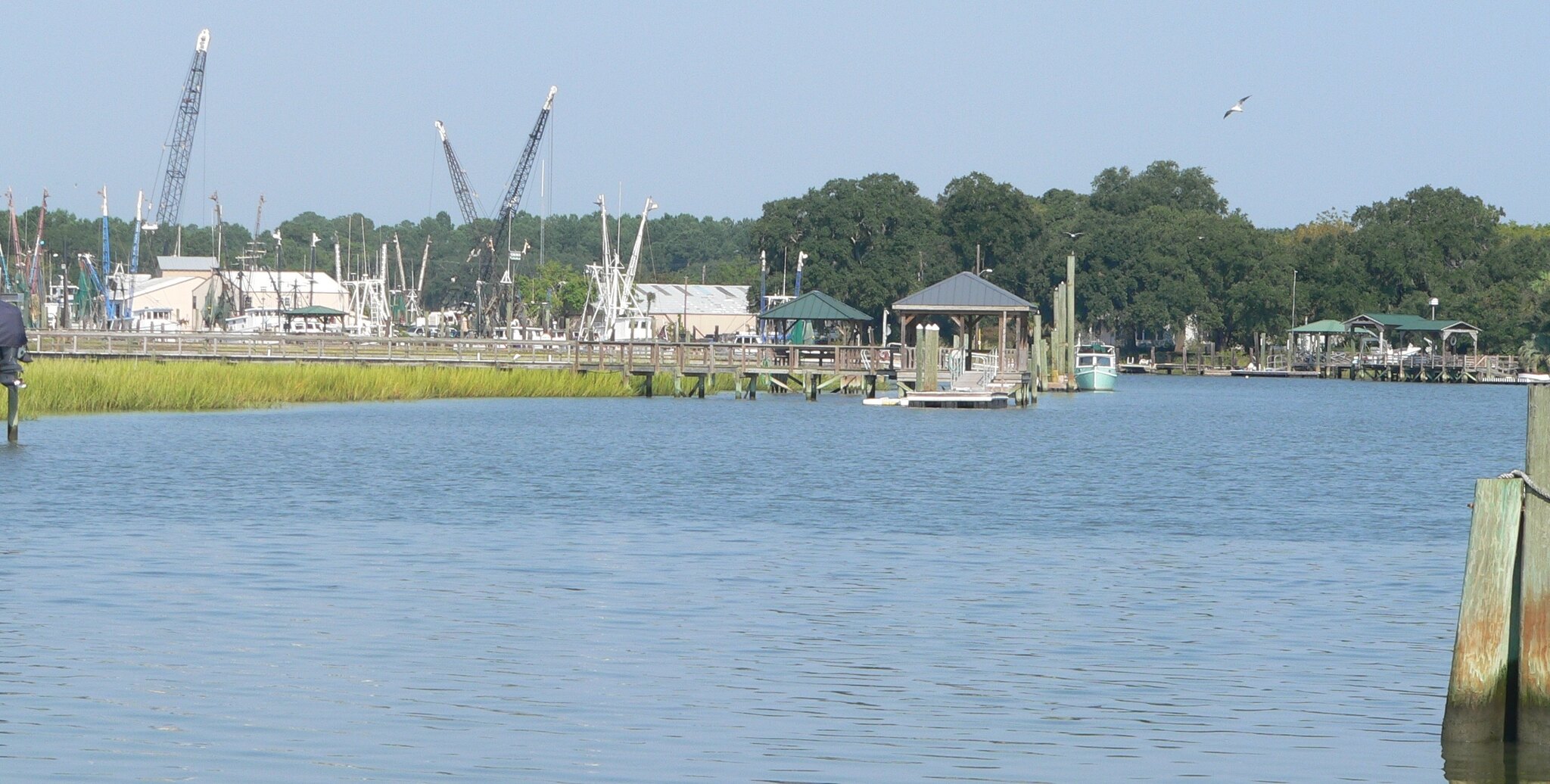
McClellanville matters because it keeps the Charleston-to-Georgetown stretch from feeling like empty space between larger anchors. It gives Route 17 a smaller Lowcountry scale: marsh edges, fishing-village texture, forested road, and a reason to slow the day down.
Use it northbound as a quiet texture stop after Charleston and southbound as a small Lowcountry reset before Mount Pleasant and Charleston take over.
What to use this stop for
Route role
McClellanville sits between Awendaw and Georgetown. Its value is route continuity: it keeps the northbound drive from feeling like a jump straight from Charleston to the Grand Strand.
Best use
Use the stop for pacing, orientation, and Lowcountry texture. If the day is built around a booked activity or major overnight, use Charleston or Georgetown as the main anchor and let McClellanville stay small.
- Stop when the road itself is the point.
- Skip when the day needs major services, nightlife, or a timed reservation.
- Pair with Charleston or Georgetown instead of treating it as a standalone destination.
Stop, pair, or continue
Stop here when
The road needs quiet Lowcountry texture
McClellanville is strongest as a short, intentional pause. Use it when the day needs marsh country, village scale, and a break between stronger anchors, not when the plan requires a full activity zone.
- Northbound: it keeps Charleston from jumping straight to Georgetown or the Grand Strand.
- Southbound: it gives the day one more quiet reset before the Mount Pleasant and Charleston approach.
Pair it with anchors
Let Charleston and Georgetown do the heavy lifting
McClellanville should support the route, not carry the page like a major destination. Pair it with Charleston for depth, Georgetown for river-town reset, or the SC / NC coastal handoff when the whole stretch needs shape.
Practical route utility
Best utility role
Use McClellanville as a quiet marsh-country pause, not a full-service anchor. It is strongest when the trip needs a short reset between Charleston and Georgetown and the road itself is part of the point.
- Northbound: use it to slow the transition after Charleston before Georgetown or the Grand Strand take over.
- Southbound: use it as one last quiet Lowcountry reset before Mount Pleasant and Charleston.
Watch for
Do not rely on McClellanville for major services, nightlife, or timed activity support. Confirm fuel, food, access, and timing elsewhere if the day depends on them.
Good next move: pair the stop with Georgetown, Charleston, or the SC / NC coastal handoff.
Commerce, utility, and history posture
Bookable nearby
McClellanville does not need direct offer cards to be useful. Travelers who want bookable experiences can use nearby Charleston and Georgetown, then let McClellanville serve as the quiet road-texture stop between them.
- No forced commerce: the larger anchors carry the image-card and text-offer sections.
Utility validation
Slow down in McClellanville when the trip is about the coastal road itself. Keep moving when the day is centered on Charleston, Georgetown, or Myrtle Beach. Practical planning details matter more here because it is a quiet, lightly developed stop.
Before and after McClellanville
These cards help place the quiet stop between its stronger neighboring anchors so the day keeps its Lowcountry shape.
Before
Mount Pleasant and Awendaw
Coming out of Charleston, use this stretch to shift from city planning into marsh-and-forest driving.
After
Georgetown
Northbound, Georgetown is the next stronger anchor where a pause can become a full stop.
Open Georgetown