State-line utility place
Little River at a glance
Little River is not the major anchor of the South Carolina / North Carolina handoff. Its value is more practical: it marks the northern South Carolina cue after the Grand Strand and helps travelers decide whether the day is still about beach energy or now about finishing cleanly in Wilmington.
Use Little River briefly after Myrtle Beach or North Myrtle Beach when the route needs a state-line reset. Skip a longer stop when the real goal is to preserve arrival time for Wilmington.

Why Little River matters on Route 17
Route role
Little River is the northern South Carolina planning point in the handoff corridor. It helps define the transition from the Grand Strand into the North Carolina approach without pretending the state line itself is the destination.
Best use
Use it as orientation, pacing, and a decision checkpoint. If the day has already spent time in Myrtle Beach, Little River should usually stay brief so Wilmington can still work as the finish.
- Stop briefly when you need to reset the map before North Carolina.
- Skip the linger when Wilmington is the next real anchor.
What kind of stop Little River is
Best as
A practical state-line cue after the Grand Strand, useful for pacing and orientation.
Works as
A short reset when the day needs one more South Carolina marker before the North Carolina approach.
Weak as
A major standalone destination on this corridor. Let Charleston, Georgetown, Myrtle Beach, and Wilmington carry the heavier stop roles.
Pairs with
Myrtle Beach as the activity-heavy south-side stop and Wilmington as the Cape Fear finish.
How this stop helps the drive
Best use
Use Little River as the state-line reset between the Grand Strand and the North Carolina approach. The Little River Welcome Center makes it a clear place for a short orientation stop before Wilmington.
- Northbound: use it to reset after Myrtle Beach before the route changes tone toward Wilmington.
- Southbound: use it to orient before the Grand Strand begins.
Watch for
Treat welcome-center and service details as planning prompts, not live-status claims. Confirm current hours, access, and services before relying on them.
Good next move: continue into the SC / NC coastal handoff or pair Little River with Myrtle Beach.
Helpful planning stop nearby
Little River is the clearest state-line reset on this stretch. Use it when you want a brief pause between the Grand Strand and Wilmington rather than another full destination block.
Check the official welcome-center information before you count on hours or services. The value here is orientation and a short reset, not a long stop.
Nearby stop
Little River Welcome Center
A practical state-line reset for the US17 handoff. It is most useful when the day needs a quick orientation stop before the route turns toward North Carolina.
How it helps
Use it to reset the map, take a short breath, and keep the Wilmington arrival from feeling rushed.
What Little River pairs with
Little River works best as a brief state-line and orientation stop. It becomes more useful when you pair it with stronger neighboring anchors: Myrtle Beach for the Grand Strand decision, Wilmington for the Cape Fear arrival, and the SC / NC segment for the wider route logic.
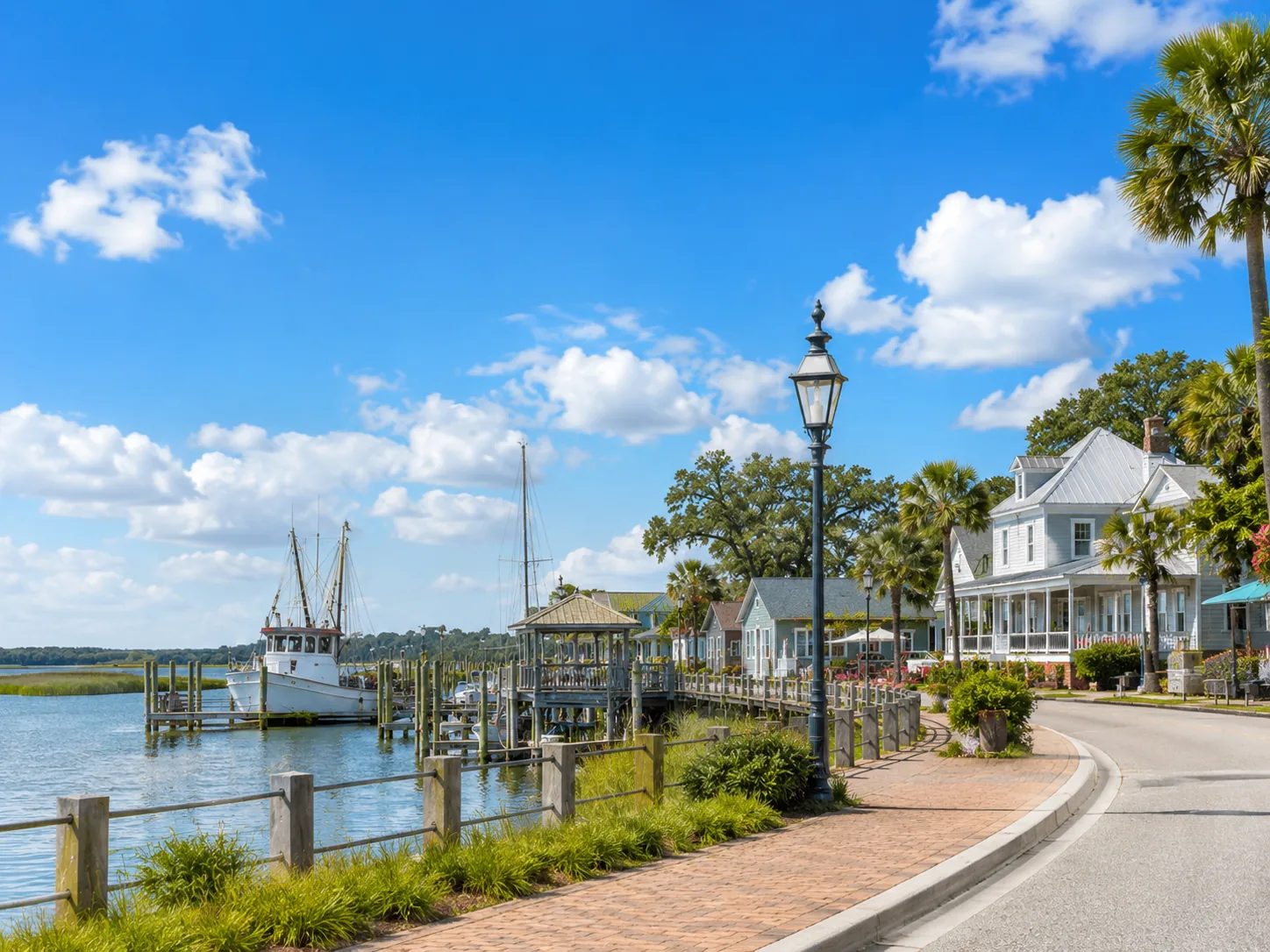
Grand Strand context
Myrtle Beach
Use Myrtle Beach when the handoff needs a fuller beach-corridor stop before Little River becomes the transition cue.
Open Myrtle Beach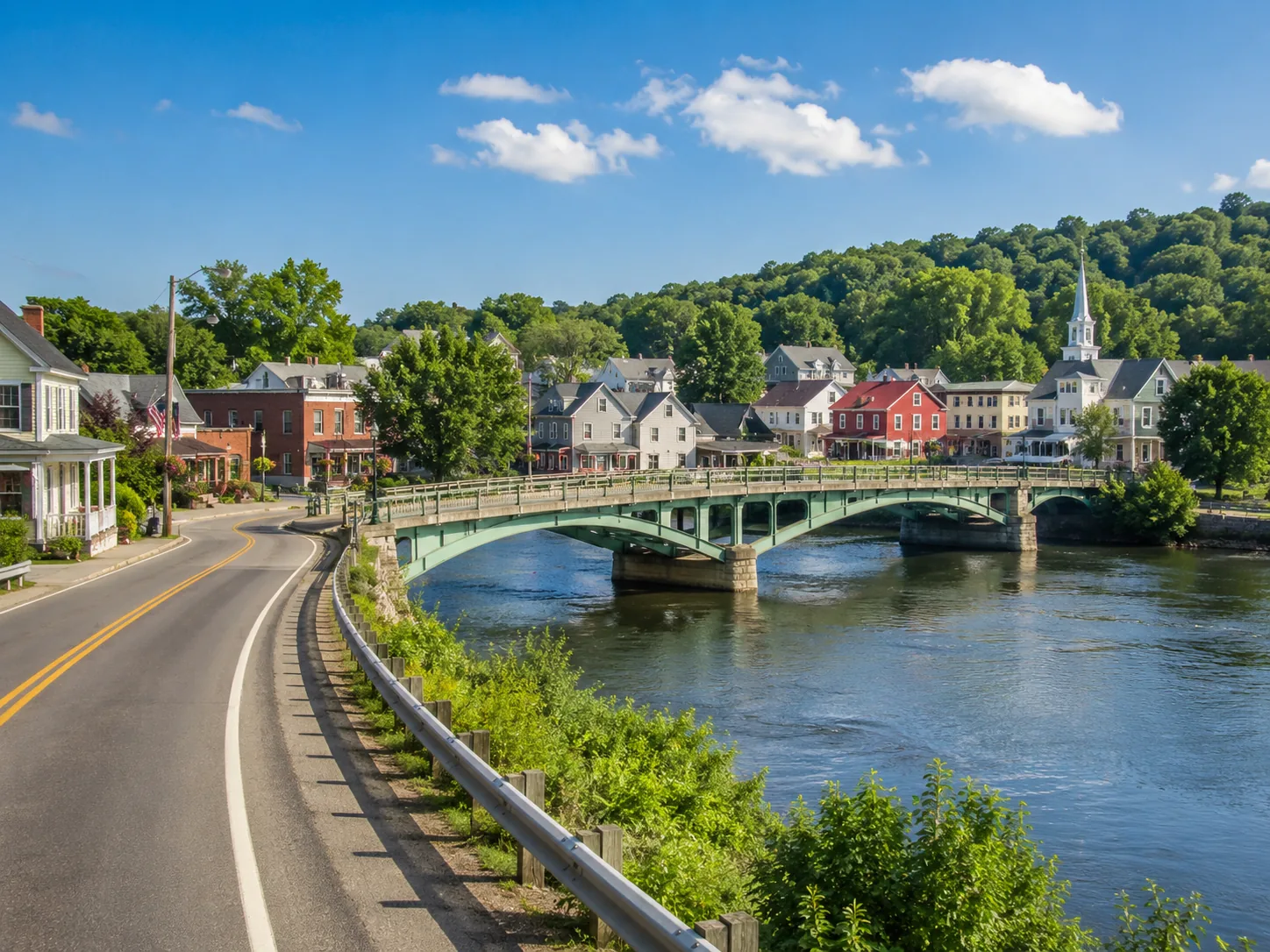
Cape Fear finish
Wilmington
Use Wilmington when the next decision is no longer South Carolina pacing, but a real North Carolina arrival.
Open WilmingtonFull route logic
SC / NC coastal handoff
Use the segment page when Little River needs to be placed between Georgetown, the Grand Strand, and Wilmington.
Open segmentBest next pages
Choose Myrtle Beach when the day still needs Grand Strand energy, Wilmington when the finish should feel like North Carolina arrival, Charleston-to-Wilmington when you want the full trip shape, and South Carolina when you need the wider state chapter.
South-side energy
Myrtle Beach
Use Myrtle Beach when the question is whether the Grand Strand deserves a real time block.
North-side finish
Wilmington
Use Wilmington when the state-line cue should turn into a clean Cape Fear arrival.
Trip shape
Charleston to Wilmington
Use the trip page when Little River is one decision inside a longer practical itinerary.
State page
South Carolina
Use the state page to compare Little River with the larger South Carolina anchors.