Trip guide
Charleston to Wilmington Road Trip on Route 17
Choose the trip shape before you choose the stops.
Charleston to Wilmington is one of the cleanest ways to understand the middle of Route 17. The trip begins with a major historic city, slows through Lowcountry and river-town context, passes the Grand Strand, then finishes with the Cape Fear waterfront in North Carolina.
The useful question is not only how to get from Charleston to Wilmington. It is whether this should be a fast transfer, a full-day coastal road, or a relaxed overnight split with one strong middle anchor.
Trip shape
These anchor cards frame the trip from Charleston to Wilmington so the overall shape is clear before you decide how many stops belong in the day.
Start
Charleston
Start with the strongest South Carolina anchor, especially if you want walking, history, harbor context, and planned city experiences.
- Best start: begin after an overnight, not after a rushed morning arrival.
Middle
Georgetown and the Grand Strand
Use the middle to decide how much river, marsh, seafood, beach energy, and traffic tolerance belong in the day.
- Best middle: Georgetown for reset, Myrtle Beach only if beach energy is intentional.

Finish
Wilmington
Finish with the Cape Fear city anchor and decide whether the next Route 17 chapter continues into North Carolina.
- Best finish: arrive with enough time to make Wilmington feel like a destination.
Choose your trip shape
Fast transfer with Route 17 identity
Use Charleston as the launch, make Georgetown the one meaningful pause, keep the Grand Strand brief, and arrive in Wilmington with enough time to orient.
Full-day coastal drive
Add McClellanville or marsh-country pacing, give Georgetown a real reset role, and choose one Myrtle Beach or Little River handoff instead of stacking every stop.
Overnight split
Slow the trip down around Georgetown, Pawleys Island, Murrells Inlet, Myrtle Beach, or North Myrtle Beach when the middle should become part of the trip instead of the commute.
Best default
If Charleston has not already had a full stop, do not rush out of it. Let Charleston work first, then make the northbound day simpler.
Recommended stop sequence
Slow coastal version
Charleston, McClellanville, Georgetown, Pawleys Island or Murrells Inlet, Myrtle Beach or North Myrtle Beach, Little River, Shallotte, Leland, and Wilmington. This version treats the road itself as the trip.
- Best fit: a long day with room for pauses, or a relaxed overnight split.
Anchor-first version
Charleston, Georgetown, one Grand Strand decision, and Wilmington. This version works when you want fewer stops but still want the Route 17 identity to remain visible.
- Best fit: travelers who want a practical city-pair drive with one real middle.
Northbound anchor and support stops after Charleston
Between Charleston and Little River, these nodes let the trip change pace without turning every community into a major destination plan. Mount Pleasant and Murrells Inlet now carry dedicated anchor roles; choose the other stops selectively for nature, quiet beach, heritage, or north-Grand-Strand context.
Harbor handoff
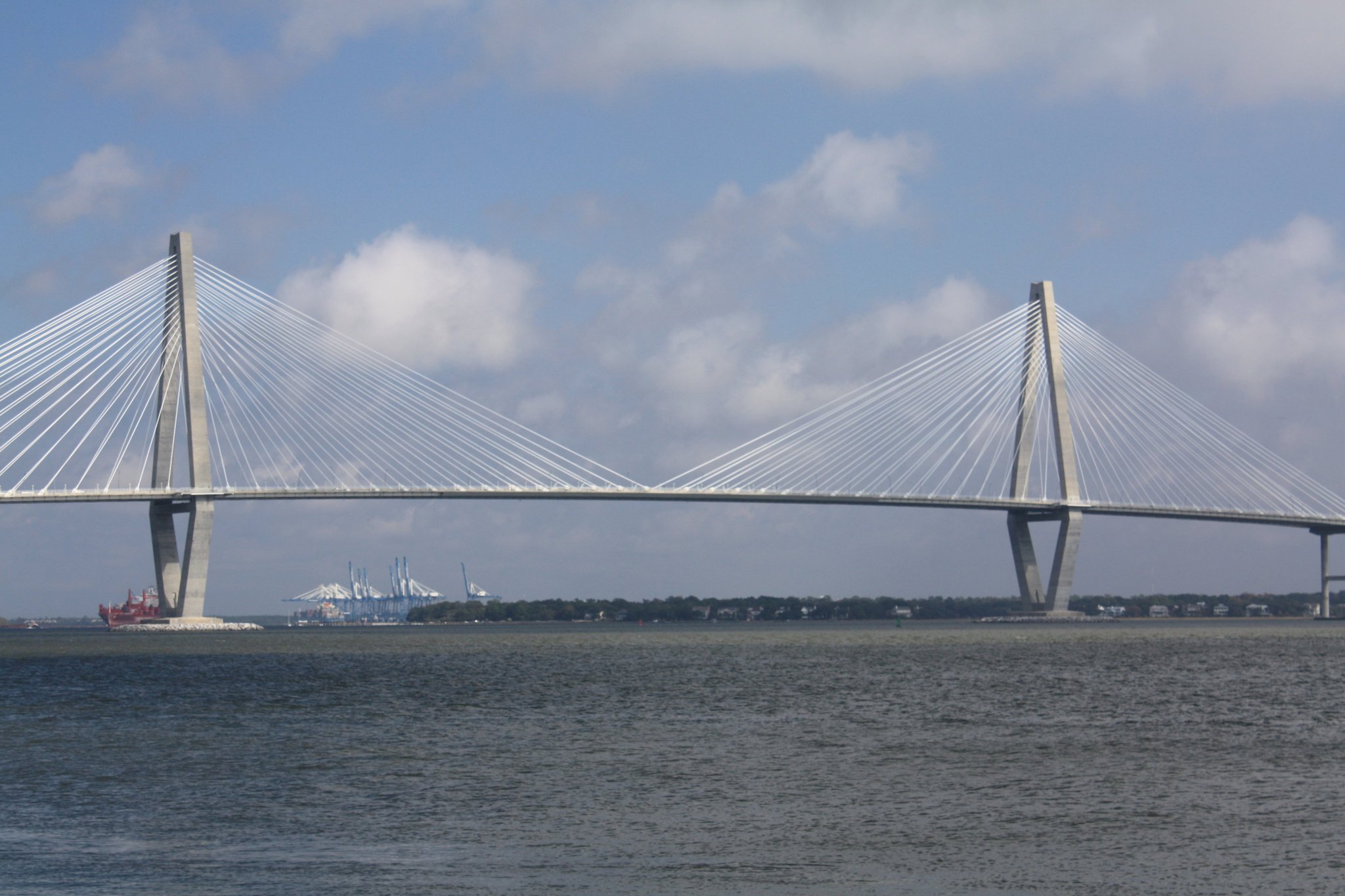
Mount Pleasant
Use it to make the Charleston exit and U.S. 17 northbound launch tangible.
Nature reset
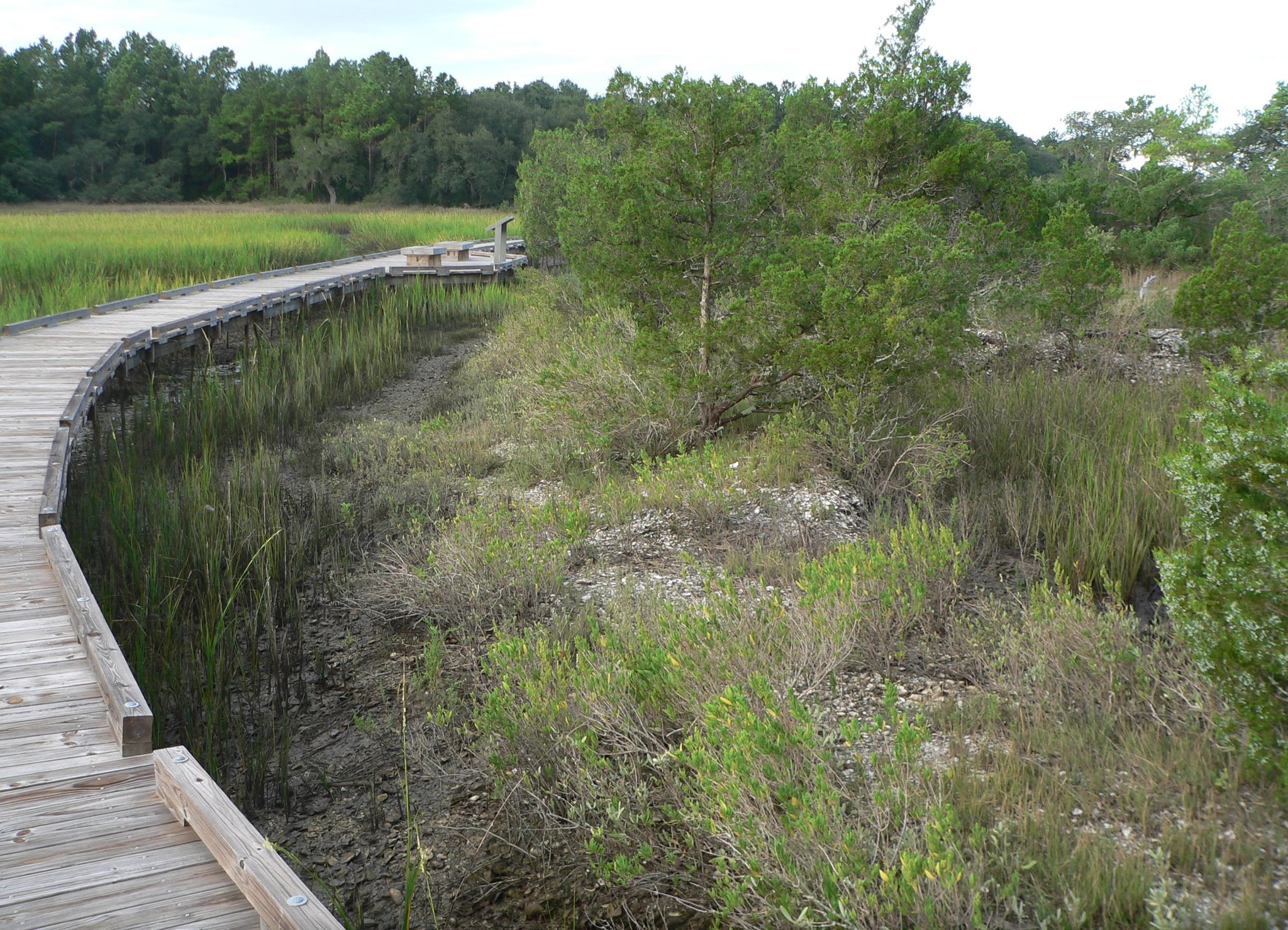
Awendaw
Use the Highway 17 Sewee/Cape Romain layer when the drive needs forest-and-marsh context.
Quiet detour
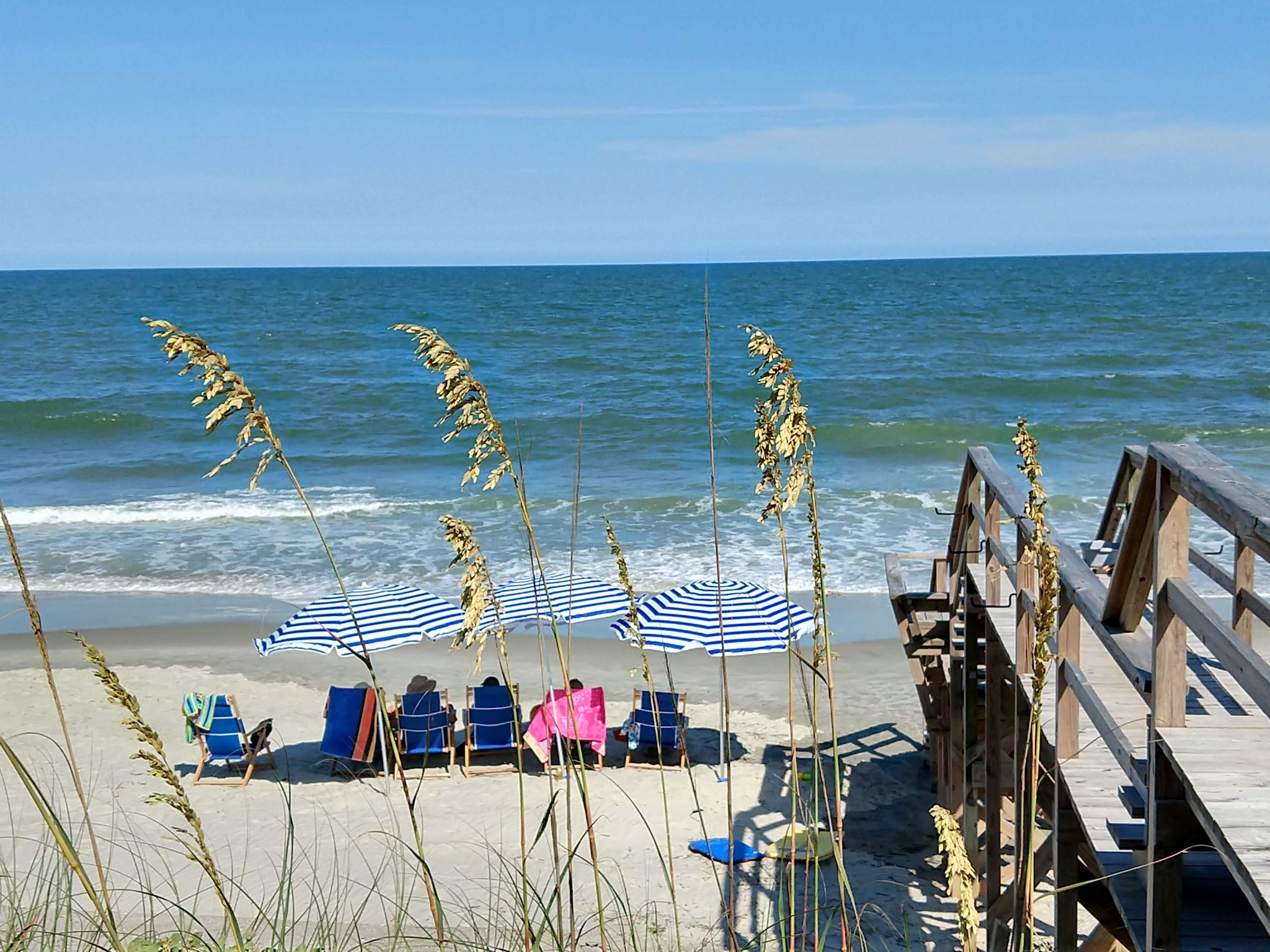
Pawleys Island
Choose the short island detour when the day needs quiet beach and salt-marsh character before the Grand Strand.
Marsh hinge
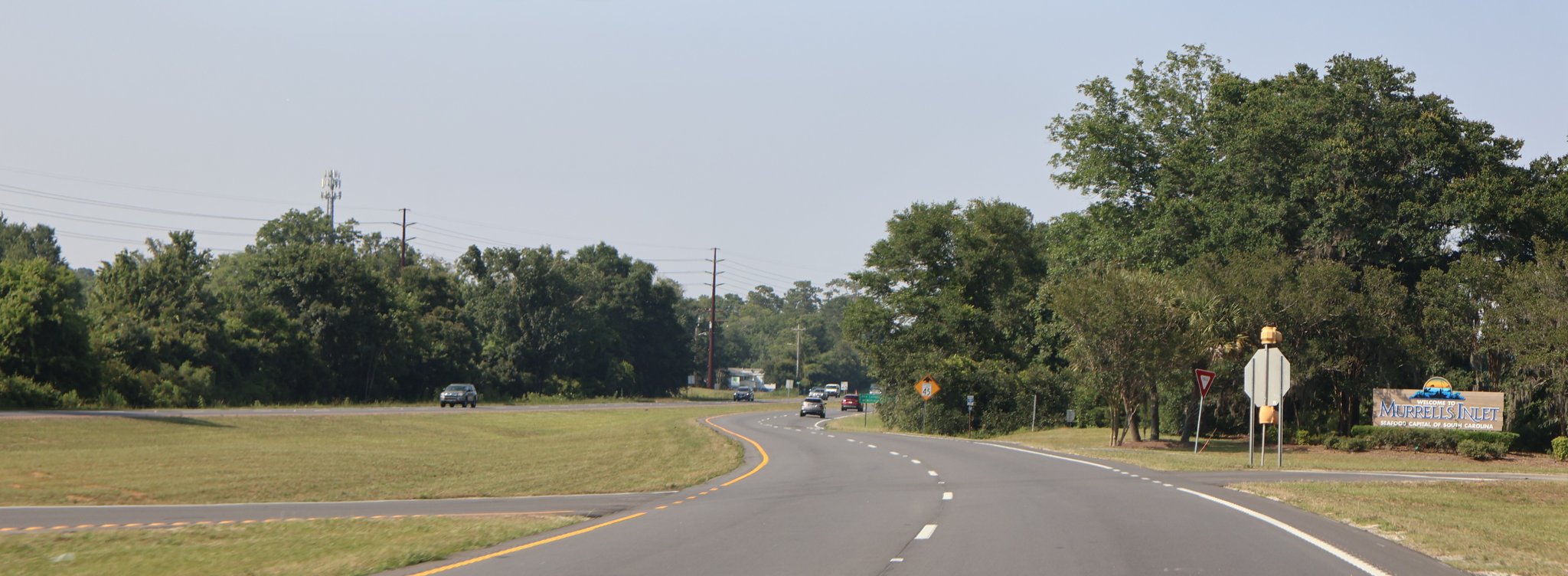
Murrells Inlet
Fishing-village and MarshWalk context between Pawleys Island and Myrtle Beach.

Heritage context
Atlantic Beach
Keep the Black Pearl visible as a historic African American beach community rather than flattening the Grand Strand into one resort story.
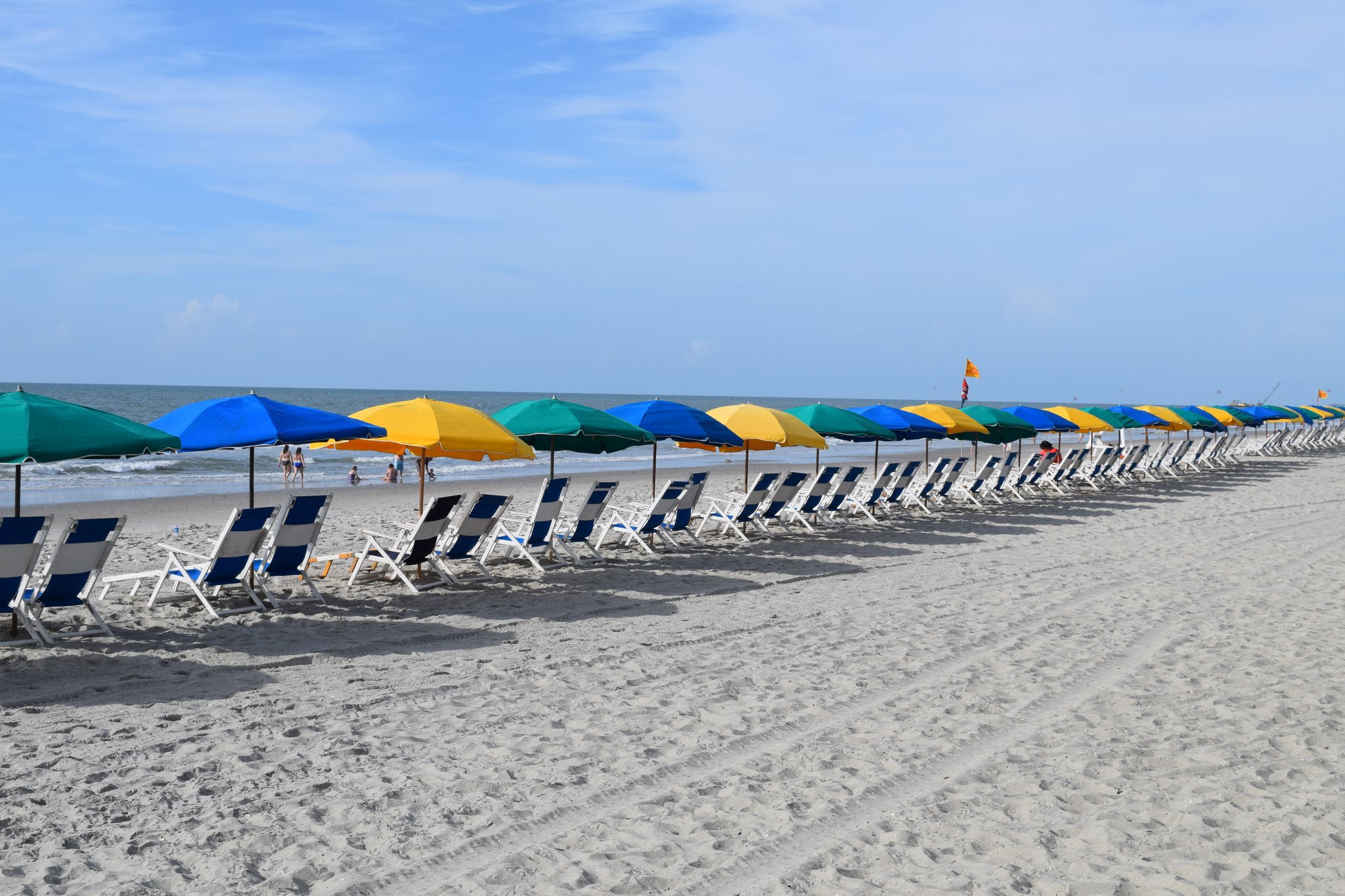
North Grand Strand
North Myrtle Beach
Use Cherry Grove and Ocean Drive identity to set up the final Little River/state-line handoff.
Where to pause or reset
These stops support different pacing choices, from a short coastal pause to a fuller river-town or beach-corridor reset.
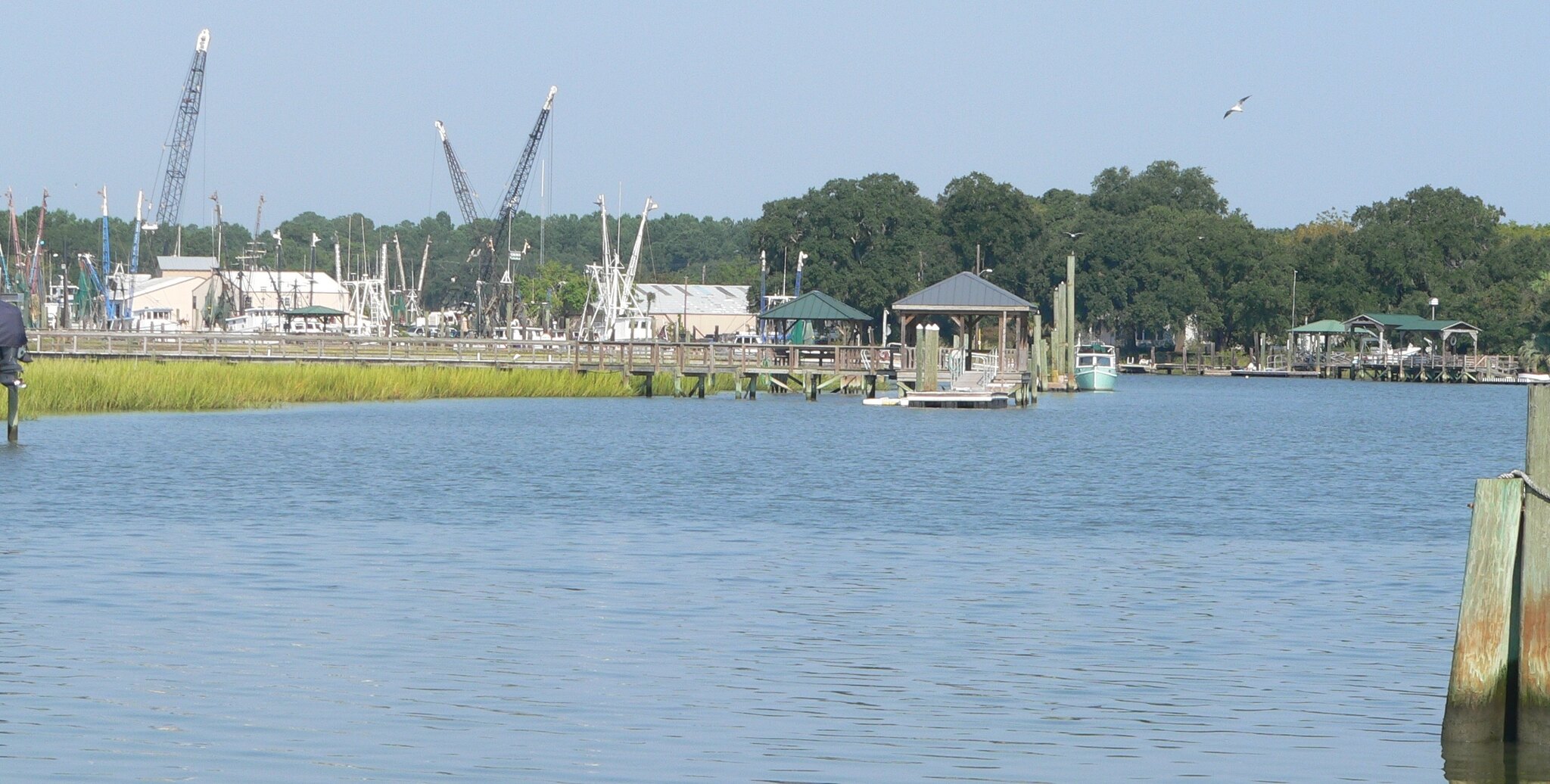
Quiet pause
McClellanville
Use this as a small pacing stop if the day needs Lowcountry texture between Charleston and Georgetown.
- Keep brief: this is a pause, not the anchor.
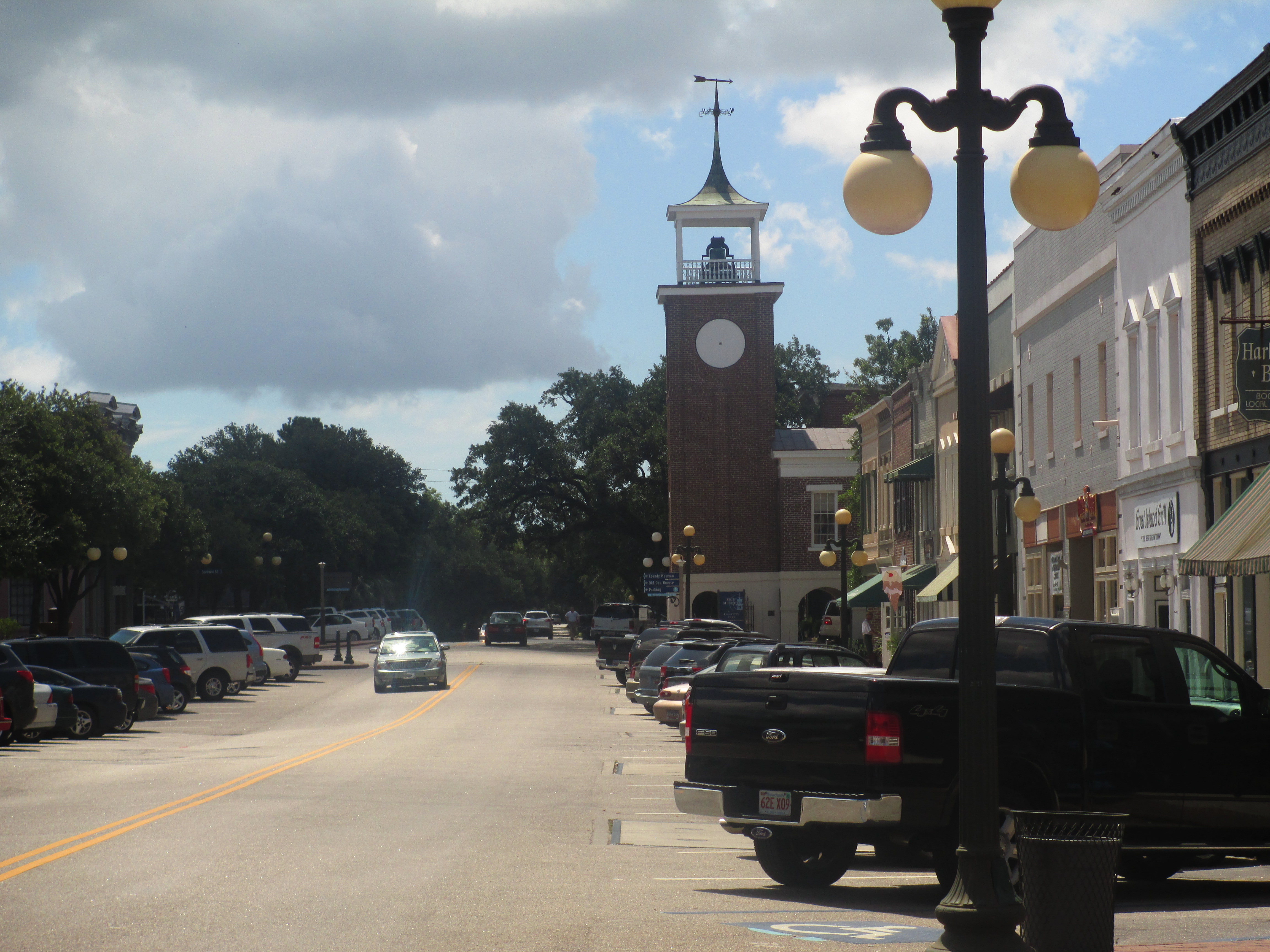
Middle reset
Georgetown
Use Georgetown when the trip needs a waterfront middle rather than a direct jump into the beach corridor.
- Linger here: lunch, waterfront walk, or overnight split.
State-line orientation
Little River area
The Little River end of South Carolina can help with state-line orientation and planning. Northbound, continue through Shallotte for the mainline/Business 17 decision and Leland for the Wilmington-side gateway. Confirm current details before relying on specific services.
- Keep brief: use it as a transition, then finish cleanly in Wilmington.
Planning and utility posture
Optional add-ons
Use written handoffs as smaller add-ons when the day calls for a Georgetown nature layer, a Grand Strand history layer, or a Wilmington water or history option.
- Waccamaw River Nature and Wildlife Tour for the Georgetown-area water layer.
- Wilmington Wine and History Stroll when the finish becomes an evening plan.
Helpful planning stop nearby
Little River Welcome Center is the clearest state-line reset before Wilmington. Use it when the trip needs a short orientation pause instead of another full stop.
Check the official welcome-center information for current hours and services before you build it into the day.
Bookable handoff zones
For this trip, bookable handoffs work best where travelers are most likely to linger: Charleston, the Grand Strand, and Wilmington. Treat them as ways to deepen the main anchors, while Georgetown stays a calm river-town reset and its written water option remains available when it fits the day.

Charleston handoff
Charleston Murder Mystery: Solve the case!
Use this when Charleston needs a lighter, interactive after-dinner layer instead of another long scheduled tour.
View option
Charleston harbor
1.5-Hour Charleston Harbor Cruise with Live Narration
Choose this when the Charleston stop should include harbor orientation before the route turns north toward the marsh and Grand Strand.
View option
Charleston marsh
2-Hour Guided Kayak Eco Tour in Charleston
Use this when the route day wants a nature-forward Charleston layer before the quieter marsh-country stretch toward Georgetown.
View option
Grand Strand handoff
Edgar Allan Poe Speakeasy: Chapter Two - Myrtle Beach
Use this only if the Grand Strand becomes an intentional evening anchor rather than a quick corridor pass-through.
View option
Wilmington handoff
Kid Quest in Wilmington: Interactive Family Scavenger Hunt (Ages 4–8)
Keep this for family-forward Wilmington arrivals when the riverfront needs a short activity instead of a full museum or boat block.
View option
Wilmington handoff
Wilmington, NC Detective Game: Solve the Kingmakers Conspiracy!
Use this when Wilmington is the finish and the riverfront needs a self-guided last stop before dinner or an overnight reset.
View optionUse this with the rest of the guide
Closing route thought
Paper companion
Print the Charleston to Wilmington trip companion
Use the 4-page companion for route phases, primary and backup anchors, pacing, current-condition checks, cut-first decisions, and the notes you want beside you on the road.