Grand Strand decision point
Myrtle Beach at a glance
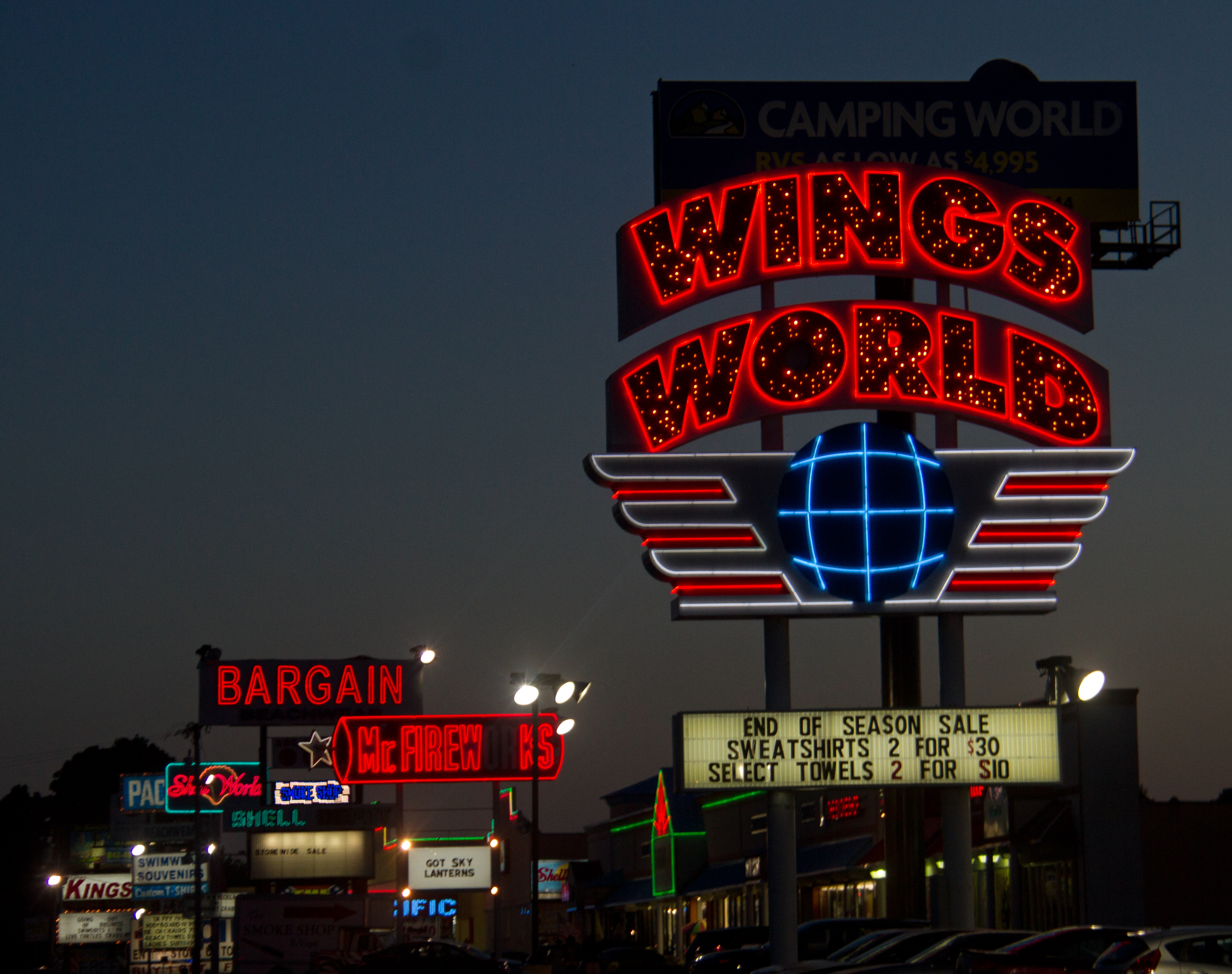
Myrtle Beach is where the South Carolina handoff stops being only marsh, river towns, and quiet pacing. On Route 17, it is the Grand Strand activity zone: useful when the day wants beach-area energy, risky when the traveler really needs a calm through-drive.
Use Myrtle Beach deliberately between Georgetown and Little River. It can become the main middle stop, an overnight buffer, or a section to keep efficient before finishing in Wilmington.
Why Myrtle Beach matters on Route 17
Route role
Myrtle Beach is the clearest marker of the Grand Strand shift. South of it, the trip can still feel like Lowcountry, riverfront, and marsh-road planning. Around Myrtle Beach, the road becomes busier, more activity-oriented, and more dependent on timing choices.
Best use
Use Myrtle Beach when beach-town energy is part of the plan, not when the day only needs a quiet reset. It is most useful as a chosen stop, overnight split, or route decision before North Myrtle Beach, Little River, and the North Carolina approach.
- Stop here when the Grand Strand is the point.
- Keep moving when Georgetown or Wilmington is the real anchor.
What kind of stop Myrtle Beach is
Best as
An activity-heavy beach-corridor stop or overnight buffer between Georgetown and Wilmington.
Works as
A brief practical pause only when you keep the plan simple and avoid turning the stop into an accidental full afternoon.
Weak as
A quiet coastal-road reset. Travelers looking for calm pacing should use Georgetown, McClellanville, or a simpler state-line transition instead.
Pairs with
Georgetown as the calmer south-side reset and Little River as the north-side state-line cue before Wilmington.
How this stop helps the drive
Best utility role
Use Myrtle Beach as the service-heavy stop on this part of Route 17: lodging, food, activities, beach access, and backup options are abundant. That makes it useful, but it also means the stop can take over the day.
- Northbound: decide whether the Grand Strand is the main event or whether Wilmington still needs protected arrival time.
- Southbound: use it deliberately before the route quiets toward Georgetown and Charleston.
Watch for
Traffic, beach timing, parking, and activity reservations matter more here than on quieter Route 17 stops. Confirm the practical pieces before committing to an activity-heavy pause.
Good next move: use Little River as the state-line reset or continue toward Wilmington.
Practical route utility nearby
These nearby utility records are presented as practical planning cues from the Route 17 guide. They are not live availability, access, parking, ramp, or conditions claims. Confirm access, hours, fees, reservations, closures, and conditions with the official source before planning around any stop.
For traveler planning, read these as possible rest area, rest stop, picnic stop, public park, public parks, parks to relax, welcome center, day-use, place to stretch, stretch-your-legs, or make coffee cues only when the official rules, hours, weather, parking, and on-site conditions support that kind of pause.
Nearby utility note
Myrtle Beach State Park
This nearby utility note is a campground-context planning cue for the Myrtle Beach / Grand Strand Route17 corridor. Treat it as a route planning cue, not as a claim about availability, access, or conditions.
Nearby utility note
Huntington Beach State Park
This nearby utility note is a campground-context planning cue for the Grand Strand / Georgetown side of the Route17 corridor. Use it only as a cautious cue for further official-source checking.
Helpful trip options
Use these selected Myrtle Beach options when the Grand Strand is the point of the day and the plan can support an evening activity or one simple backup. Keep the stop selective so the beach corridor does not take over the route.

Grand Strand evening · Fever
Edgar Allan Poe Speakeasy: Chapter Two - Myrtle Beach
Use this only when Myrtle Beach becomes an intentional evening anchor rather than a quick pass-through.
View optionDaytime backup
- Early Myrtle Beach History and The WWII Years Trolley Tour for a history-oriented daytime layer.
Evening backup
- Murder Mystery Dinner Show in Myrtle Beach when the beach stop turns into an overnight or evening plan.
What Myrtle Beach pairs with
Myrtle Beach works best with Georgetown for a quieter river-town reset, Little River for the state-line handoff, and Wilmington for the Cape Fear finish. Stacking too many Grand Strand activities into the same day can crowd out the rest of the route.
South-side reset
Georgetown
Use Georgetown when the day needs a calmer river-town pause before the beach corridor starts doing more work.
Open GeorgetownNorth-side handoff
Little River
Use Little River when Myrtle Beach should remain part of the transition instead of becoming the whole trip.
Open Little RiverCape Fear finish
Wilmington
Use Wilmington as the city finish when the Grand Strand stop stays controlled and the day still has a clear endpoint.
Open WilmingtonBest next pages
Decide whether to compare the wider South Carolina chapter, place Myrtle Beach inside the SC / NC handoff, build the Charleston-to-Wilmington itinerary, or continue toward Little River.
State context
South Carolina
Use the state page to compare Myrtle Beach with Charleston, Georgetown, McClellanville, and the state-line handoff.
Route logic
SC / NC coastal handoff
Use the segment page when the practical question is whether to linger in the Grand Strand or keep moving toward North Carolina.
Itinerary
Charleston to Wilmington
Use the trip page when Myrtle Beach needs to fit into a full-day or overnight route shape.
Next cue
Little River
Use Little River when the next planning question is the state-line transition rather than another beach-area stop.