State guide
Virginia on Route 17
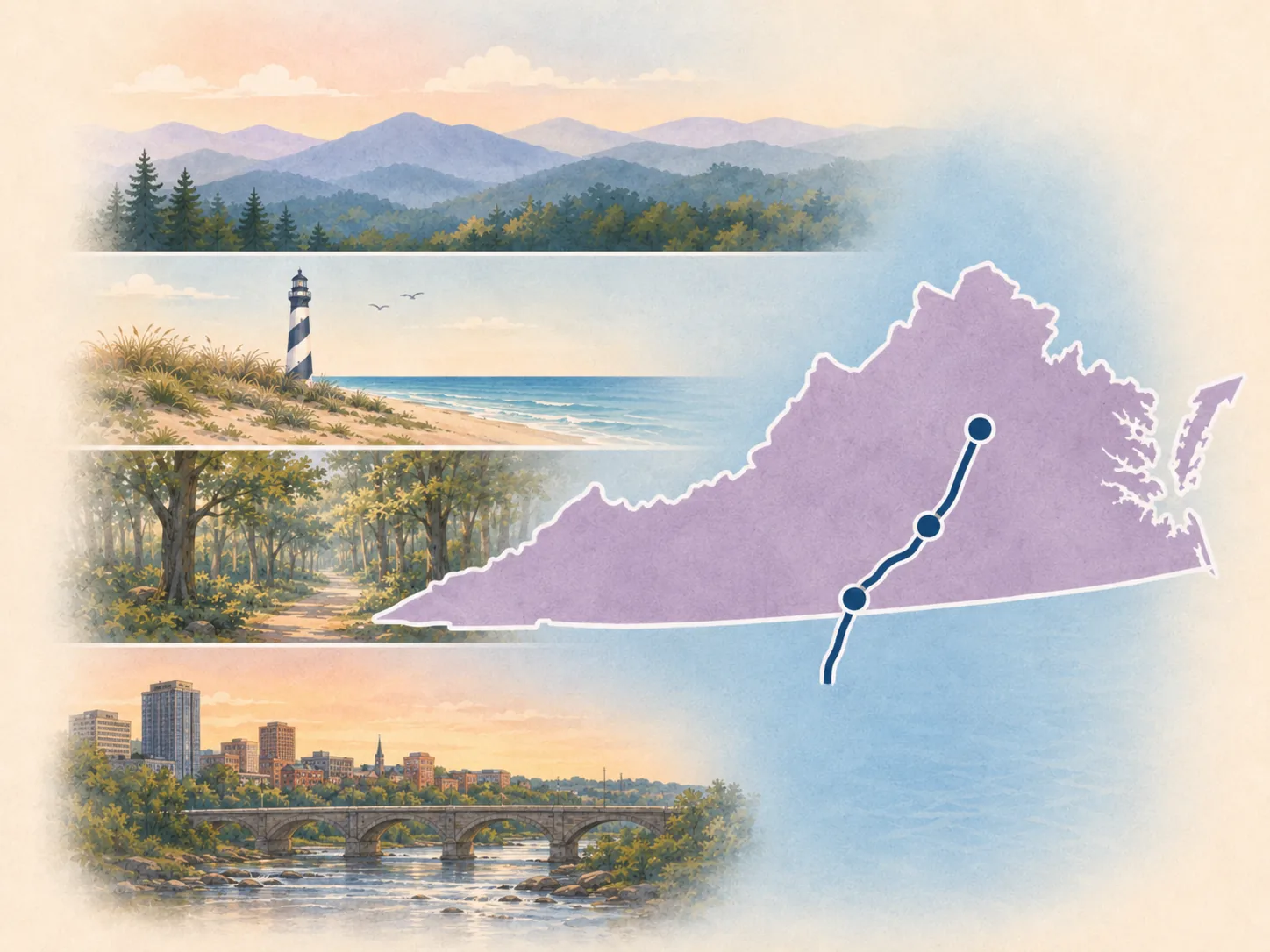
Virginia is the inland finish chapter on Route 17. The corridor enters from North Carolina, uses Chesapeake as the gateway into Tidewater, passes through Portsmouth, Suffolk, Newport News, and Yorktown for the Hampton Roads and York River history layer, continues through Gloucester, Saluda, and Tappahannock in the Middle Peninsula and Rappahannock middle, resets in Fredericksburg, and then turns through Warrenton, Marshall, Delaplane, and Paris before ending at Winchester.
Use this page when you want to decide whether Virginia should feel like a Tidewater history day, a river-crossing sequence, or the five-zone inland push that gives the whole Route 17 corridor a clean finish.
Best ways to use Virginia right now
Start with the route layer that matches the decision you are making. Virginia can be a finish chapter, a historic stop sequence, or the inland end of a longer Route 17 drive.
Best gateway
Chesapeake
Use Chesapeake when the Virginia chapter should begin with a practical entry from the south.
Best history stop
Yorktown
Use Yorktown when the state should lean hardest into colonial history and a river-crossing feel.
Best inland reset
Fredericksburg
Use Fredericksburg when the route needs a stronger city-scale pause before the northern finish.
Best finish
Winchester
Use Winchester when the corridor should resolve into its inland endpoint.
Best route rhythm
Virginia Tidewater, historic corridor, and Shenandoah finish
Use the segment page when you want the five-zone Virginia corridor explained in drive-order terms.
Whole route
Route 17 overview
Use the overview when Virginia needs to be compared with the rest of the corridor.
How the Virginia corridor works
Think of Virginia as five connected route zones. The chapter works best when the gateway, the Hampton Roads history layer, the Middle Peninsula middle, the Fredericksburg reset, and the Piedmont-to-valley finish each keep a distinct job instead of all collapsing into one long inland drive.
1 · Chesapeake gateway
Chesapeake and the state entry
Chesapeake is the practical entry point into the Virginia chapter. Northbound, it is where the route shifts out of the North Carolina approach and into Tidewater planning. Southbound, it is the point where Virginia hands the road back toward the quieter Inner Banks rhythm.
2 · Hampton Roads and York River
Portsmouth, Suffolk, Newport News, and Yorktown
Portsmouth supplies the intermediate Tidewater corridor cue, Suffolk gives the Hampton Roads arterial leg a city-scale anchor, Newport News makes the James River crossing a route chapter, while Yorktown is the chosen history stop that tells the driver to slow down on purpose. That pairing keeps the middle feeling chosen instead of accidental.
3 · Middle Peninsula and Rappahannock middle
Gloucester, Saluda, and Tappahannock
These places keep the corridor from jumping directly from Yorktown to Fredericksburg. They supply the rural continuity and river-town middle that makes the Virginia chapter read as a full sequence instead of a pair of anchors with empty space between them.
4 · Fredericksburg and the Piedmont transition
Fredericksburg to Warrenton, Marshall, Delaplane, and Paris
Fredericksburg gives the state a stronger city-scale reset, while Warrenton starts the Piedmont transition and Marshall, Delaplane, and Paris carry the scenic final approach. This is where the corridor stops feeling Tidewater-first and starts feeling like the inland finish chapter it is.
5 · Winchester terminus
Winchester and the northern finish
Winchester closes the corridor as the northern endpoint. Northbound, it is the finish line. Southbound, it is the opening point that shows the rest of Virginia unwinding back toward Tidewater and the Carolina handoff.
What kind of state chapter this is
Use it as
- a Tidewater and colonial-history chapter
- a river-crossing and inland-finish route chapter
- the final state chapter on the corridor
- a clean endpoint for a longer Route 17 trip
Avoid using it as
- a generic Virginia overview with no Route 17 logic
- a drive that treats Chesapeake, Yorktown, Fredericksburg, and Winchester as the same kind of stop
- the whole-route view when you need the full Florida-to-Virginia spine
- a Virginia chapter that loses the northbound finish
Current Virginia anchors
These four anchor stops each serve a different job. The connective towns keep the route moving naturally between Chesapeake, Yorktown, Fredericksburg, and Winchester so the state reads with a clear planning shape.
Gateway city
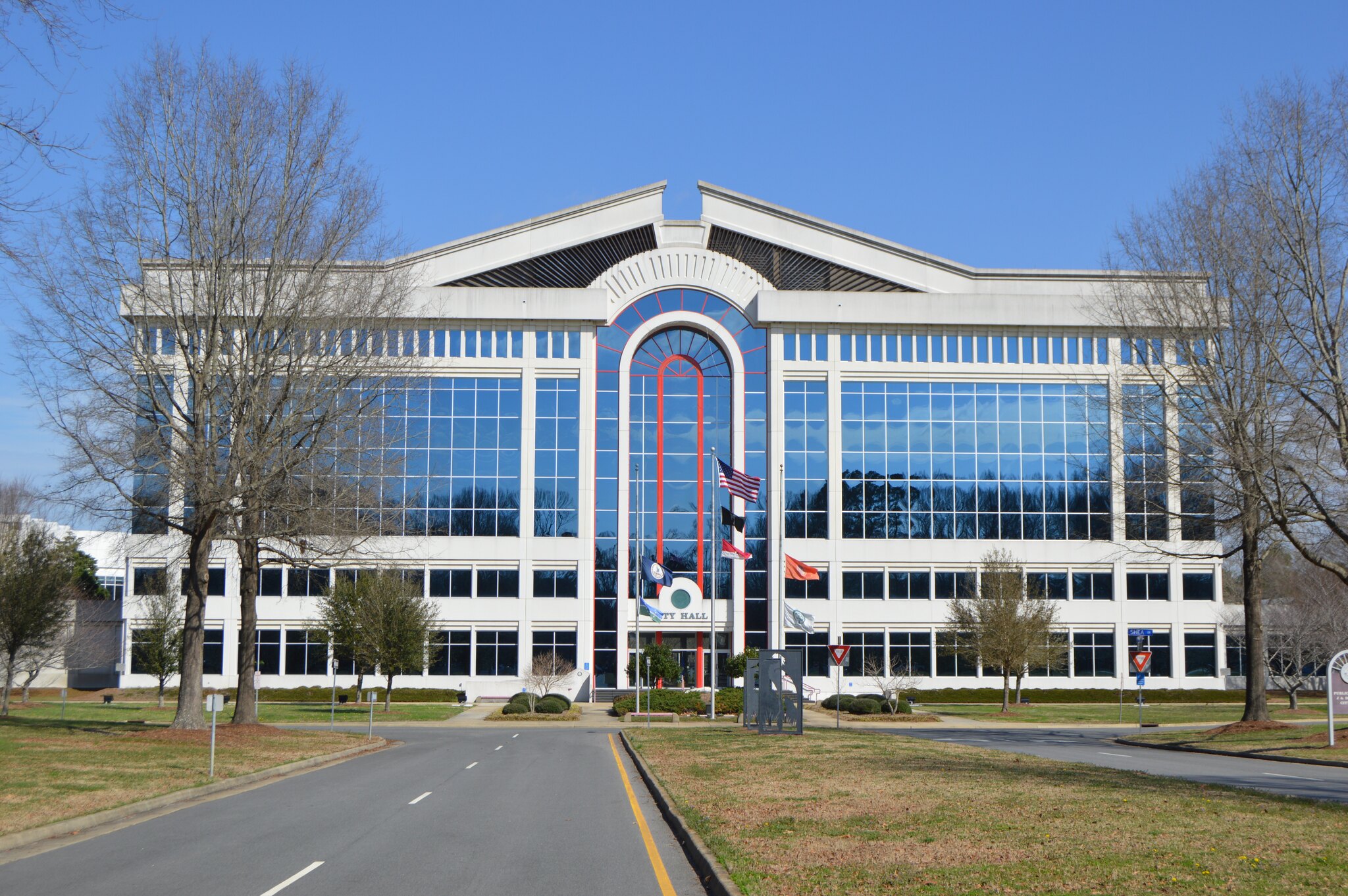
Chesapeake
Best when the chapter should open with a practical Tidewater entry and services base.
Plan Chesapeake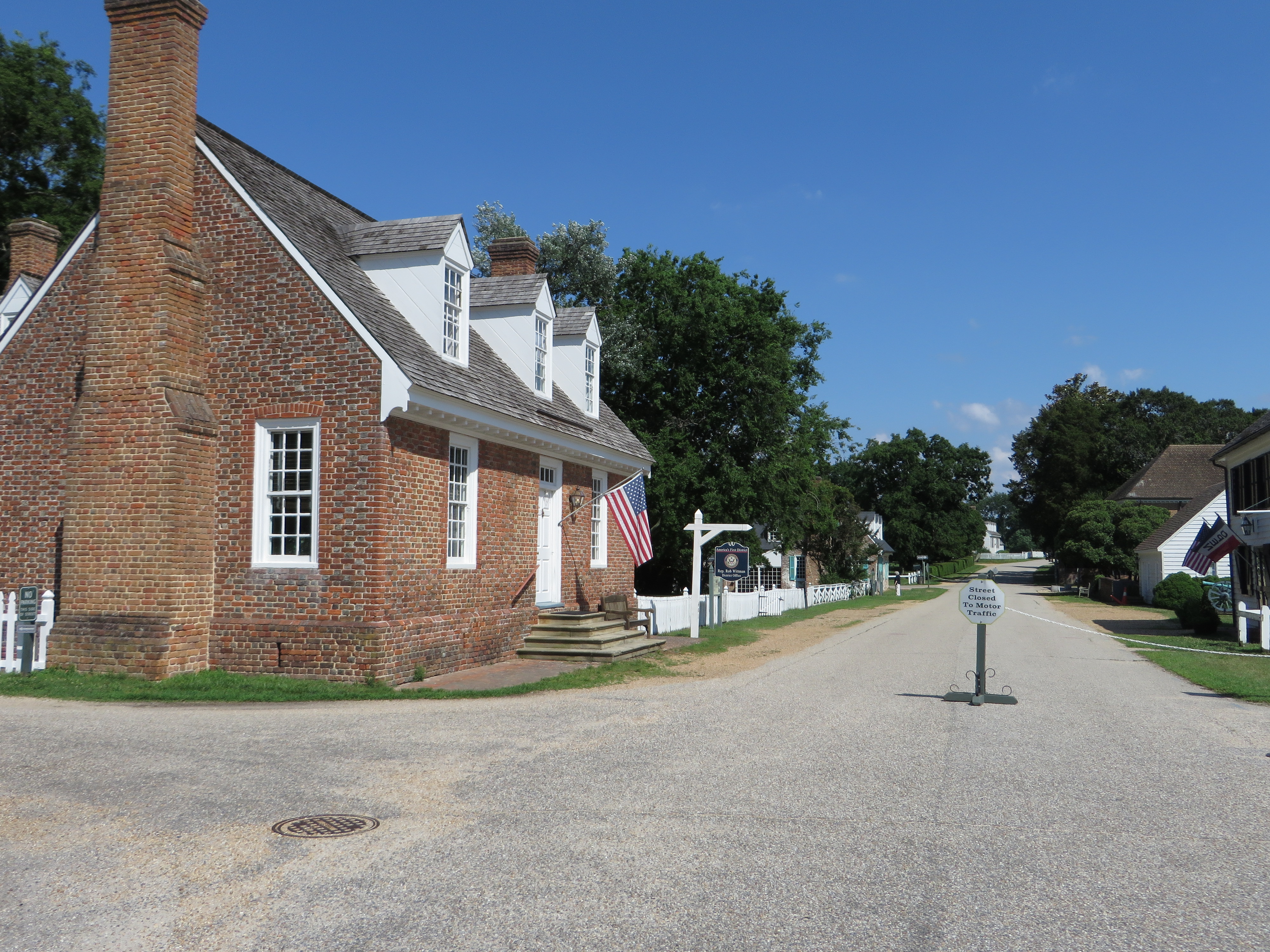
History anchor
Yorktown
Best for a historic stop that makes the state feel like more than a final mileage block.
Plan Yorktown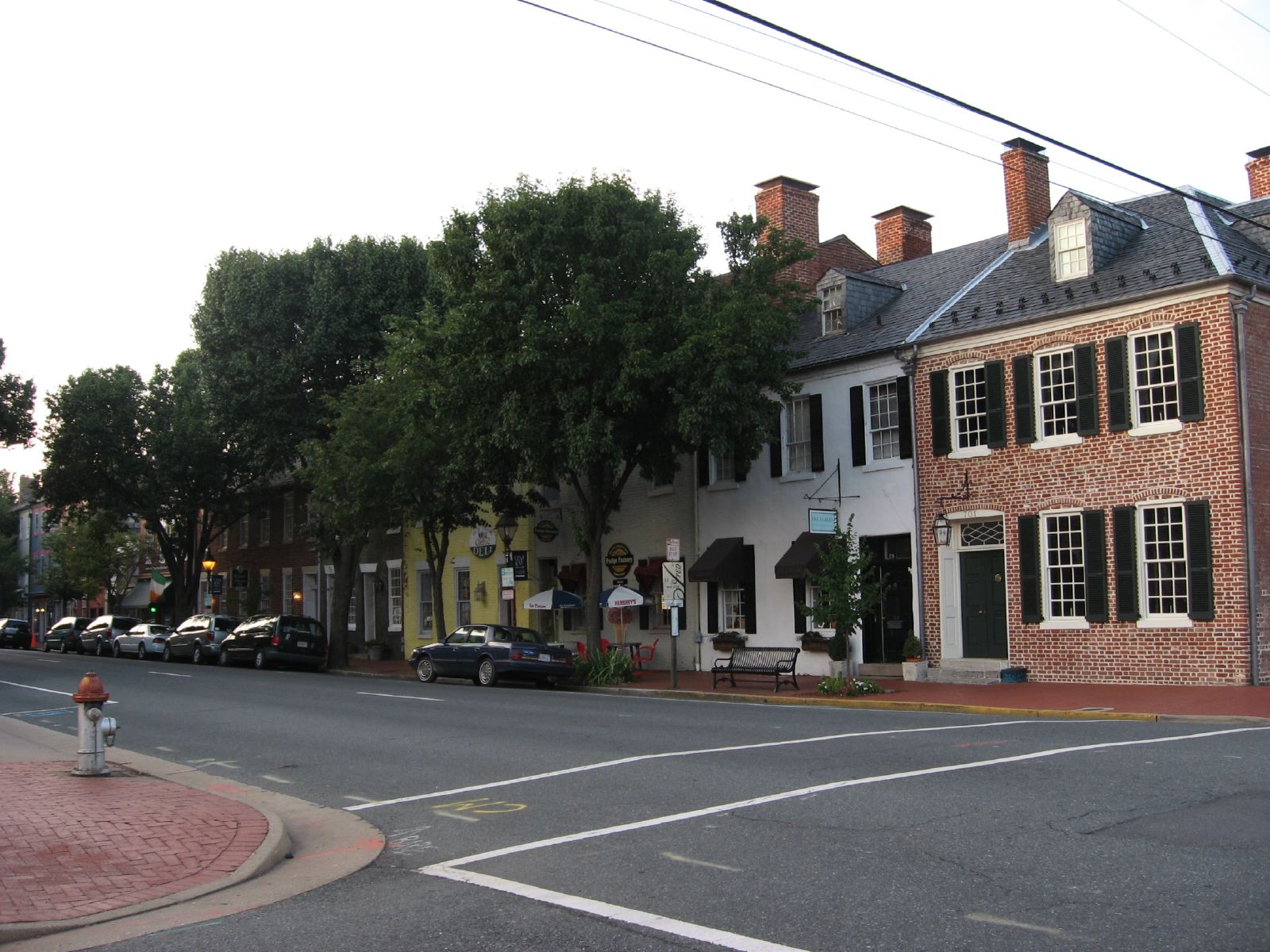
Inland reset
Fredericksburg
Best when Virginia needs one more city-scale pause before the finish.
Plan Fredericksburg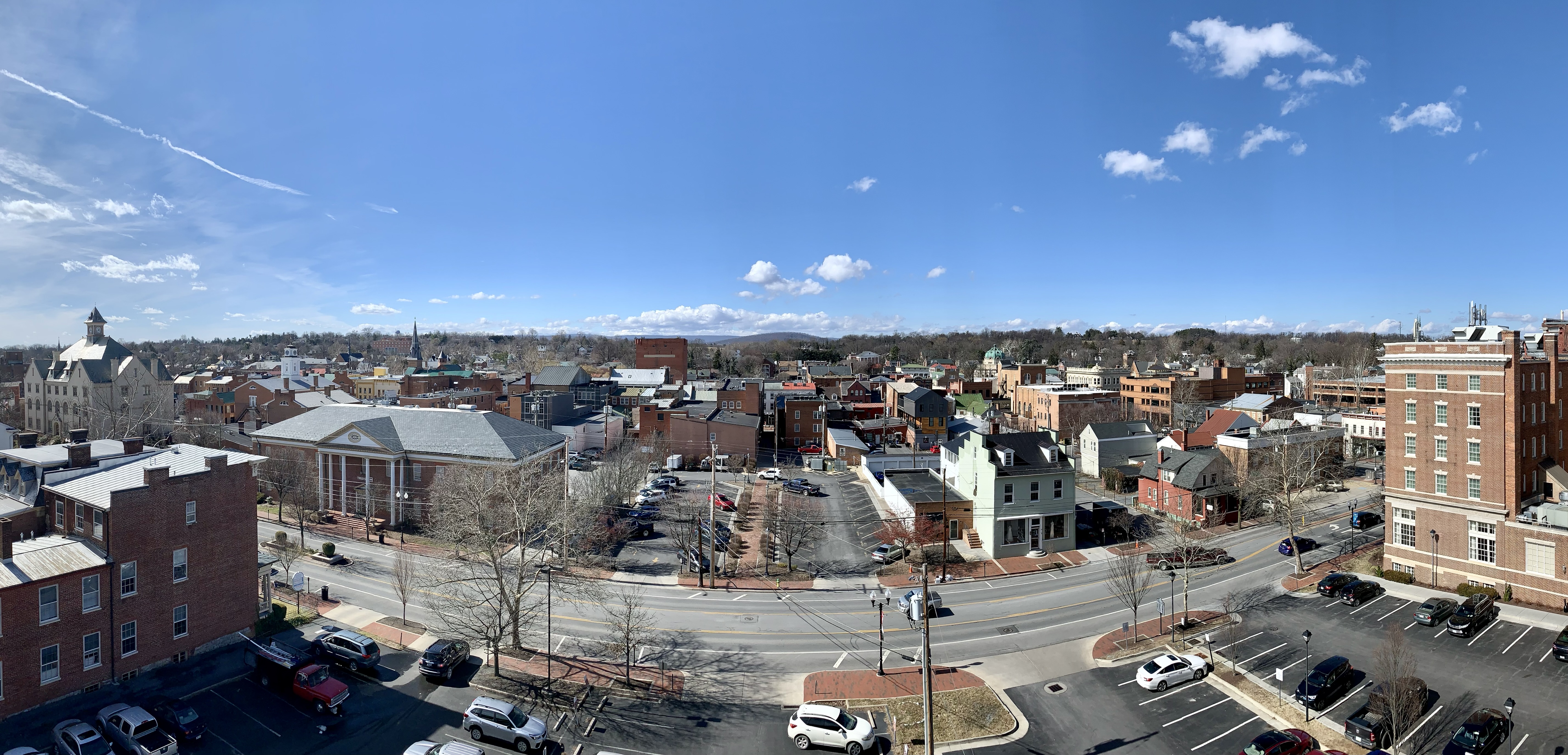
Northern finish
Winchester
Best when the Route 17 corridor should end with a clear inland finish and a calm endpoint.
Plan WinchesterSupport nodes that make the Virginia finish legible
The anchor layer carries the biggest decisions, while these published support nodes explain the water crossings, Middle Peninsula middle, Piedmont junctions, and Blue Ridge approach without forcing thin destination pages.

Tidewater corridor cue
Portsmouth
Use Portsmouth to keep the Route 17 transition between Chesapeake and Suffolk visible before the larger Hampton Roads reset.

Hampton Roads anchor
Suffolk
Use Suffolk as the major arterial reset before the Isle of Wight and James River approach.
James River crossing
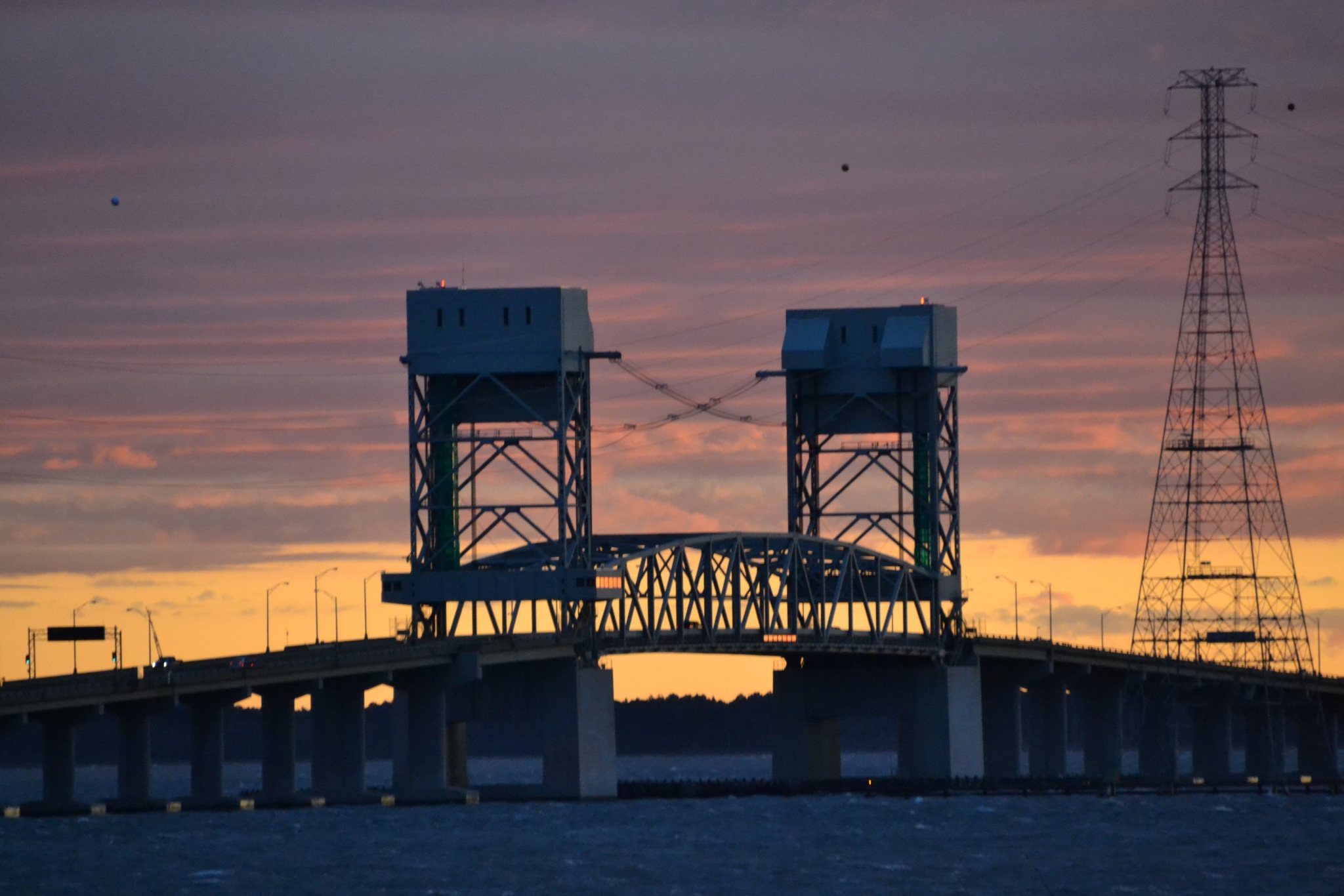
Newport News
Use the Route 17 James River Bridge as the city’s defining corridor moment, then let Yorktown carry the deliberate history stop.
Middle Peninsula history
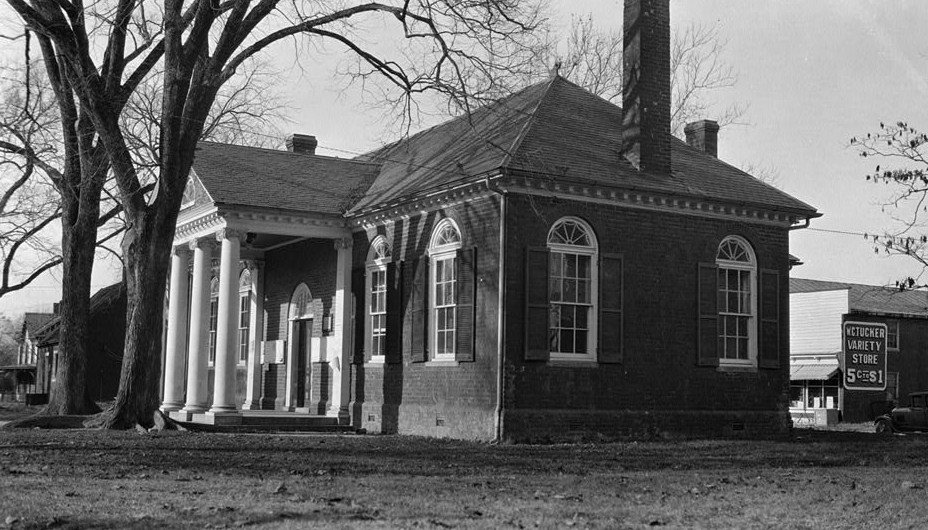
Gloucester
Gloucester Courthouse and Main Street give the Yorktown-to-Tappahannock middle a concrete civic and historic pause.
County-seat waypoint
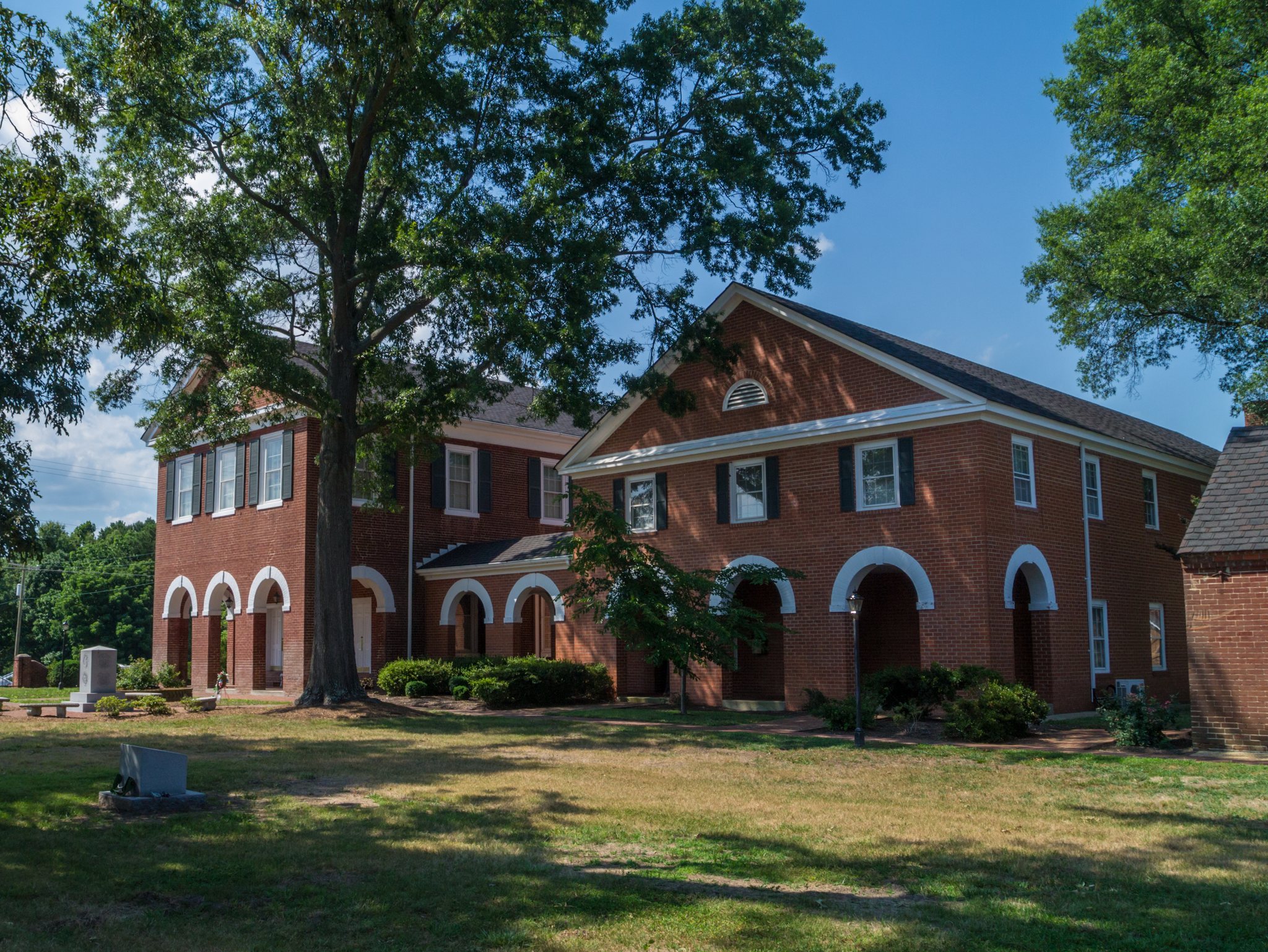
Saluda
Use Saluda as a compact Middlesex County-seat cue that keeps the rural Middle Peninsula sequence intact.
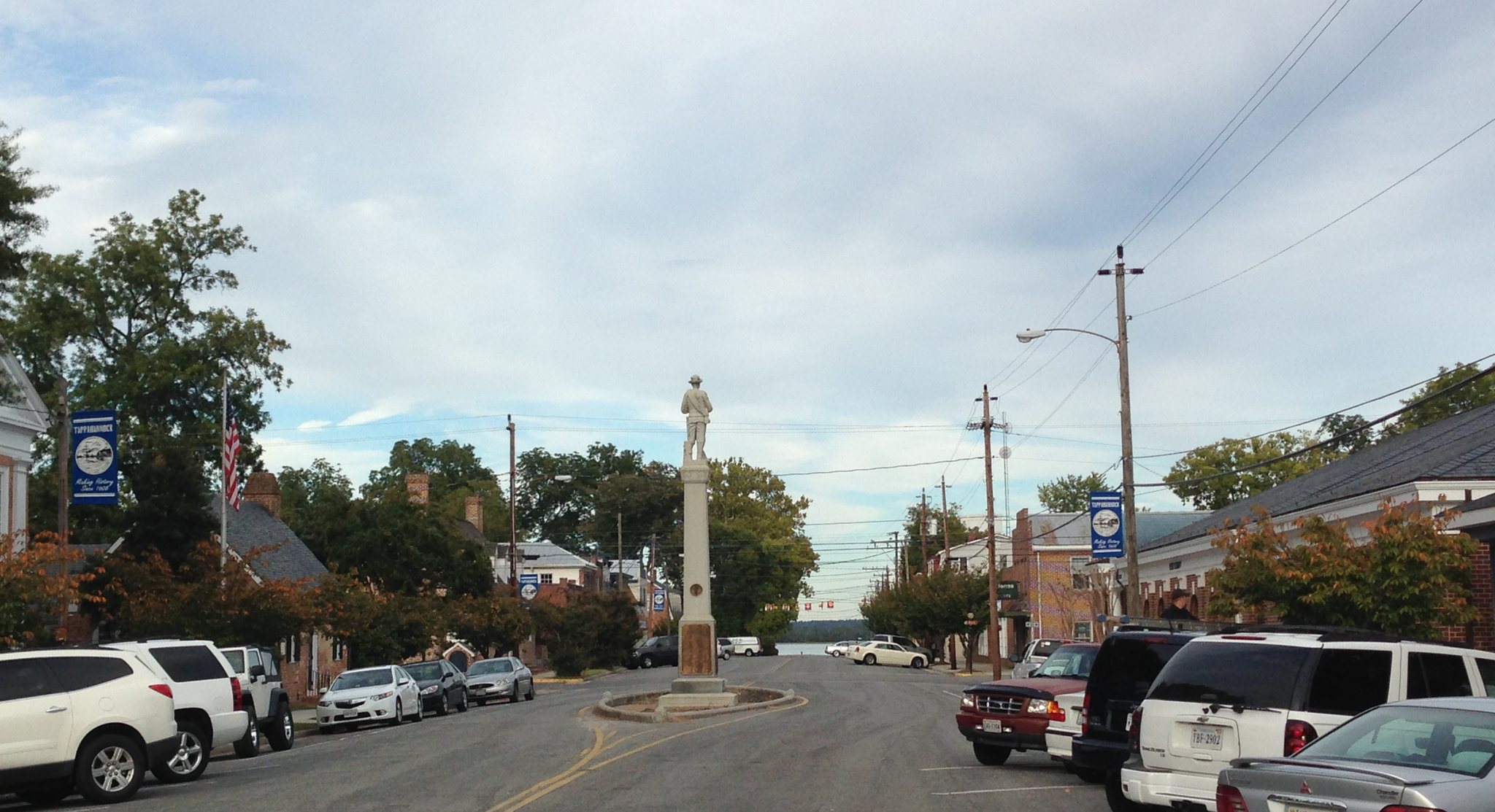
Rappahannock anchor
Tappahannock
The historic riverfront and U.S. 17/360 crossroads make Tappahannock the strongest intentional pause in Virginia’s middle.

Piedmont reset
Warrenton
Old Town and the county-seat role mark the shift from Fredericksburg into the smaller northern Piedmont sequence.
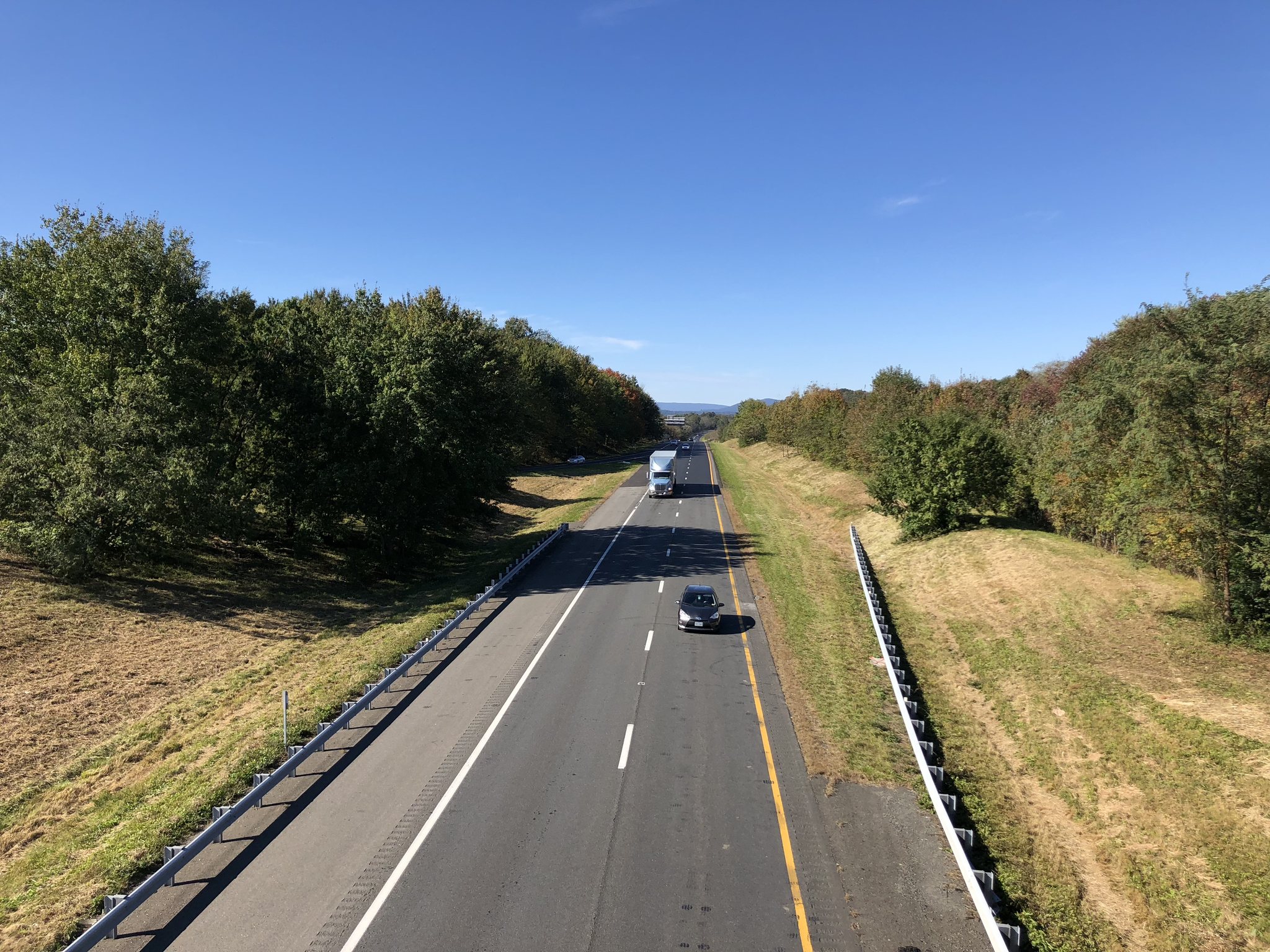
I-66 junction
Marshall
The U.S. 17/I-66 junction gives Marshall a practical route-orientation job before the final rural approach.
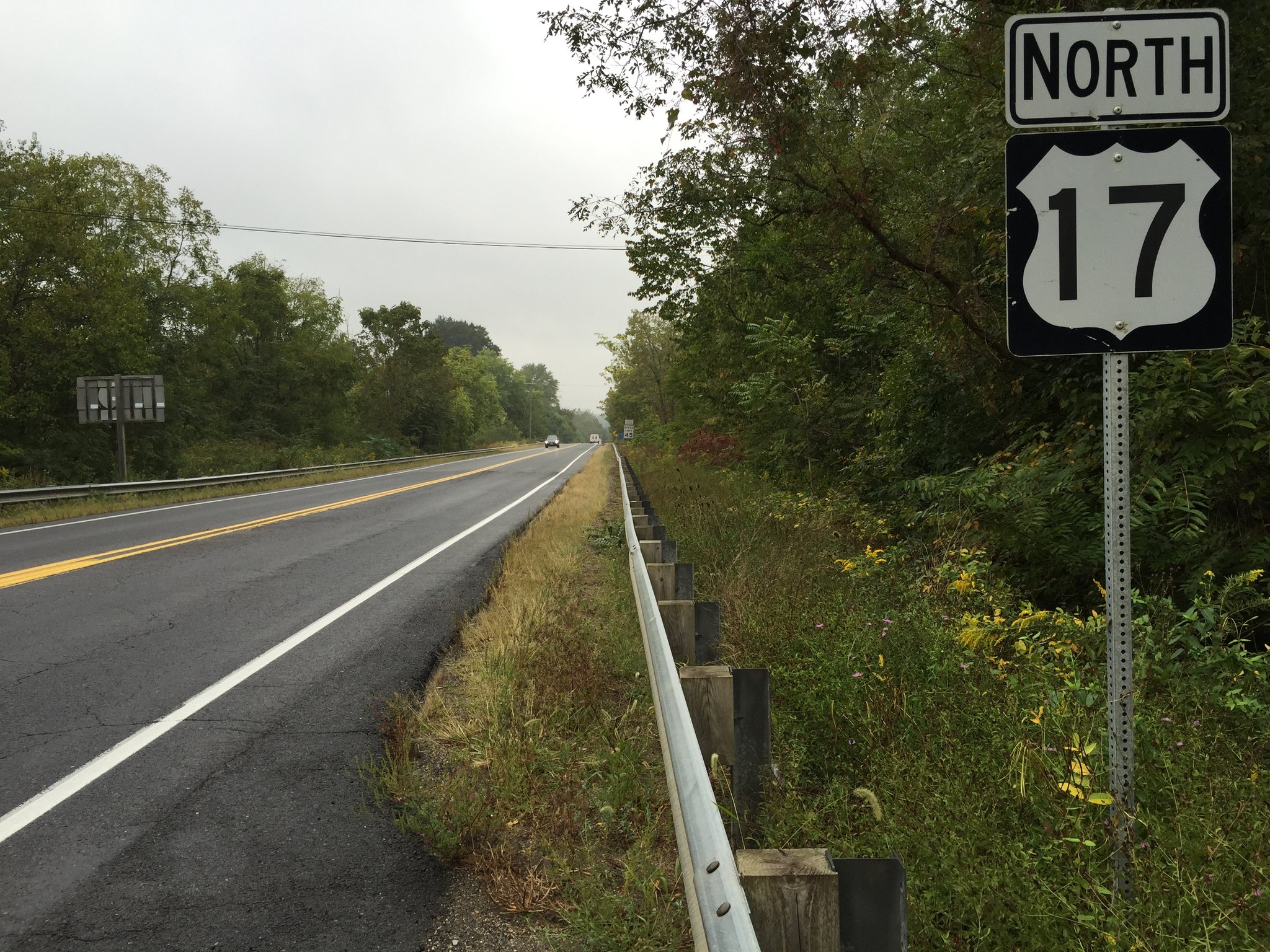
Wine-country road
Delaplane
U.S. 17 itself carries the scene here: rolling Piedmont, railroad-village context, and optional wine-country detours.
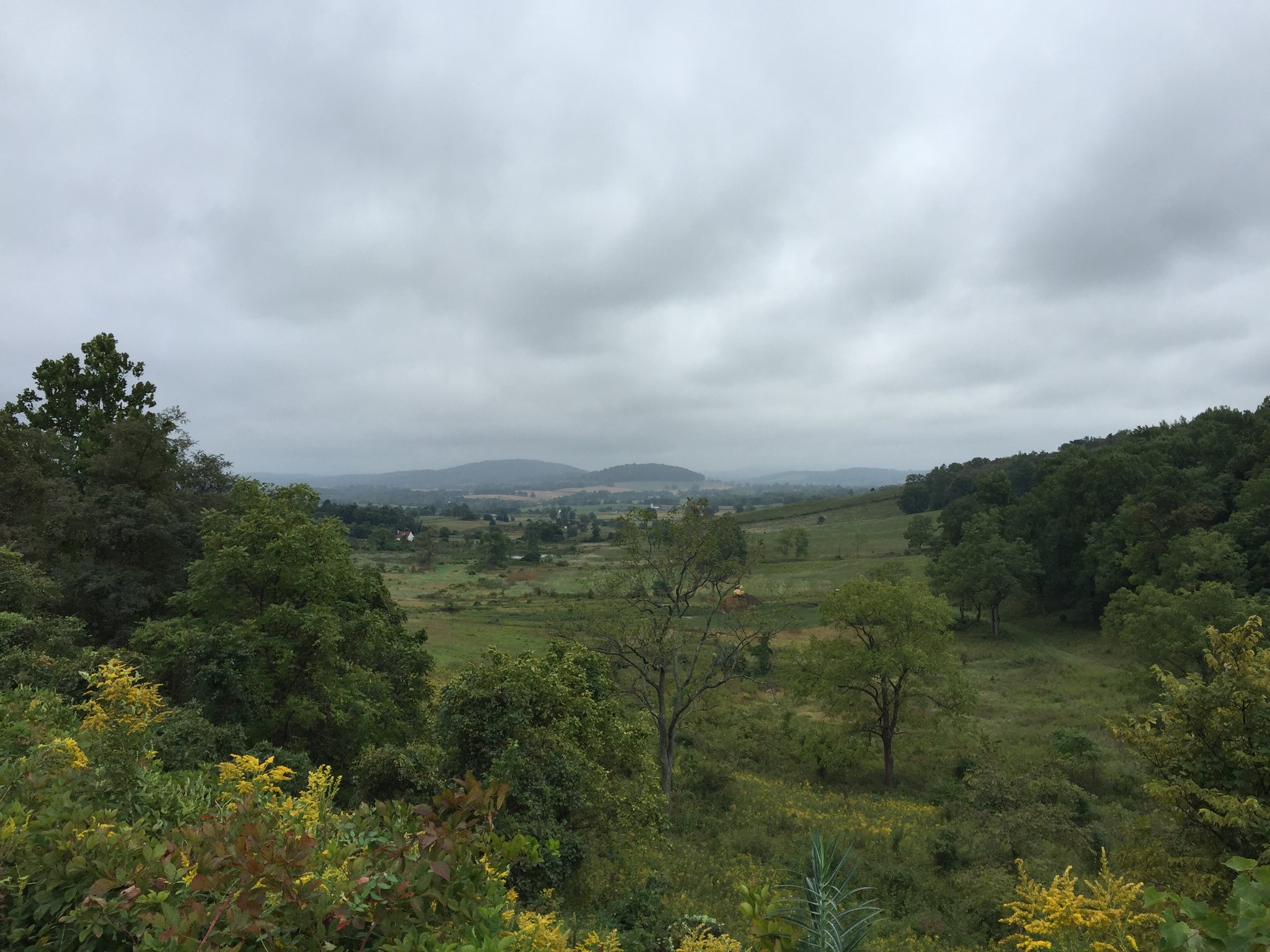
Blue Ridge transition
Paris
This tiny U.S. 17/U.S. 50 crossroads at Ashby Gap is the visual cue that the corridor is entering its final mountain approach.
Drive rhythm and practical planning
Best default plan
Choose the anchor that fits the role you need most. Chesapeake works for entry. Yorktown works for history. Fredericksburg works for a stronger pause before the end. Winchester works when the corridor should finish cleanly and let the trip resolve inland.
Where the day can go wrong
Virginia gets messy when the gateway, the history stop, and the finish are all treated like equal quick pauses. They are not. The state works better when Chesapeake opens the chapter, Yorktown carries the history weight, Fredericksburg resets the day, and Winchester closes it.
Use North Carolina when you want the southern approach, and use the route overview when you need to compare Virginia with the rest of the Florida-to-Virginia spine.
Stop briefly
Use Chesapeake when you need to orient the gateway before the rest of the state.
Linger
Use Yorktown when the history stop deserves enough time to register as a real stop.
Stay
Use Fredericksburg when the state needs a stronger overnight or city-scale reset.
Finish
Use Winchester when the Route 17 story should resolve at the inland terminus.
Trips and segments that use this state
Use the Virginia segment for the detailed drive order, the North Carolina segment for the southern approach, and the state and overview pages for the wider corridor frame. That keeps the state hub useful while preserving the full Route 17 context.
Gateway trip
Elizabeth City to Yorktown
Use this trip for the North Carolina handoff, Chesapeake reset, Hampton Roads crossing, and Yorktown history finish.
Northern finish trip
Yorktown to Winchester
Use this trip for the Middle Peninsula, Fredericksburg reset, Piedmont approach, and Route 17 terminus.
Route rhythm
Virginia Tidewater, historic corridor, and Shenandoah finish
Use the segment when you want the five-zone Virginia corridor explained in drive-order terms.
Southbound approach
North Carolina Cape Fear, Inner Banks, and Albemarle approach
Use this when Virginia needs the river-and-sound handoff in view.
Southbound context
North Carolina
Use the North Carolina page when the Virginia chapter is being read as the finish after the river-and-sound middle.
Whole route
Route 17 overview
Use the overview when Virginia needs to be compared with the rest of the route.
Best next pages
Choose the next page based on the decision you are making now. The anchors are the concrete choices; the state and overview pages explain the frame.
Open first
Chesapeake
Use the gateway when the chapter begins from the south.
Open second
Winchester
Use the finish page when you want the final inland anchor up front.
Previous state
North Carolina
Use the North Carolina page when you need the southern handoff into Virginia.
Zoom out
Route overview
Use the overview when Virginia needs to be read as the finish of the full corridor.
Take this state chapter on paper
Print the Virginia Route 17 planner
Use the 4-page state planner to keep the chapter role, anchor stops, route decisions, reset strategy, and current-condition checks together while you plan.