State guide
North Carolina on Route 17
North Carolina is not a pass-through on Route 17. It is the chapter where the road shifts from the Cape Fear city finish to river-town resets, quiet Inner Banks pacing, and a clean Virginia handoff. Wilmington opens the state, Jacksonville supplies the strongest full-service middle, New Bern and Edenton keep it grounded, and Elizabeth City closes it with enough shape to matter.
Use this chapter when you want the North Carolina route to work as a planning lane instead of a border crossing. It helps you decide whether the state should be one city arrival, one river-and-sound stretch, or the full sequence from Wilmington to Elizabeth City.
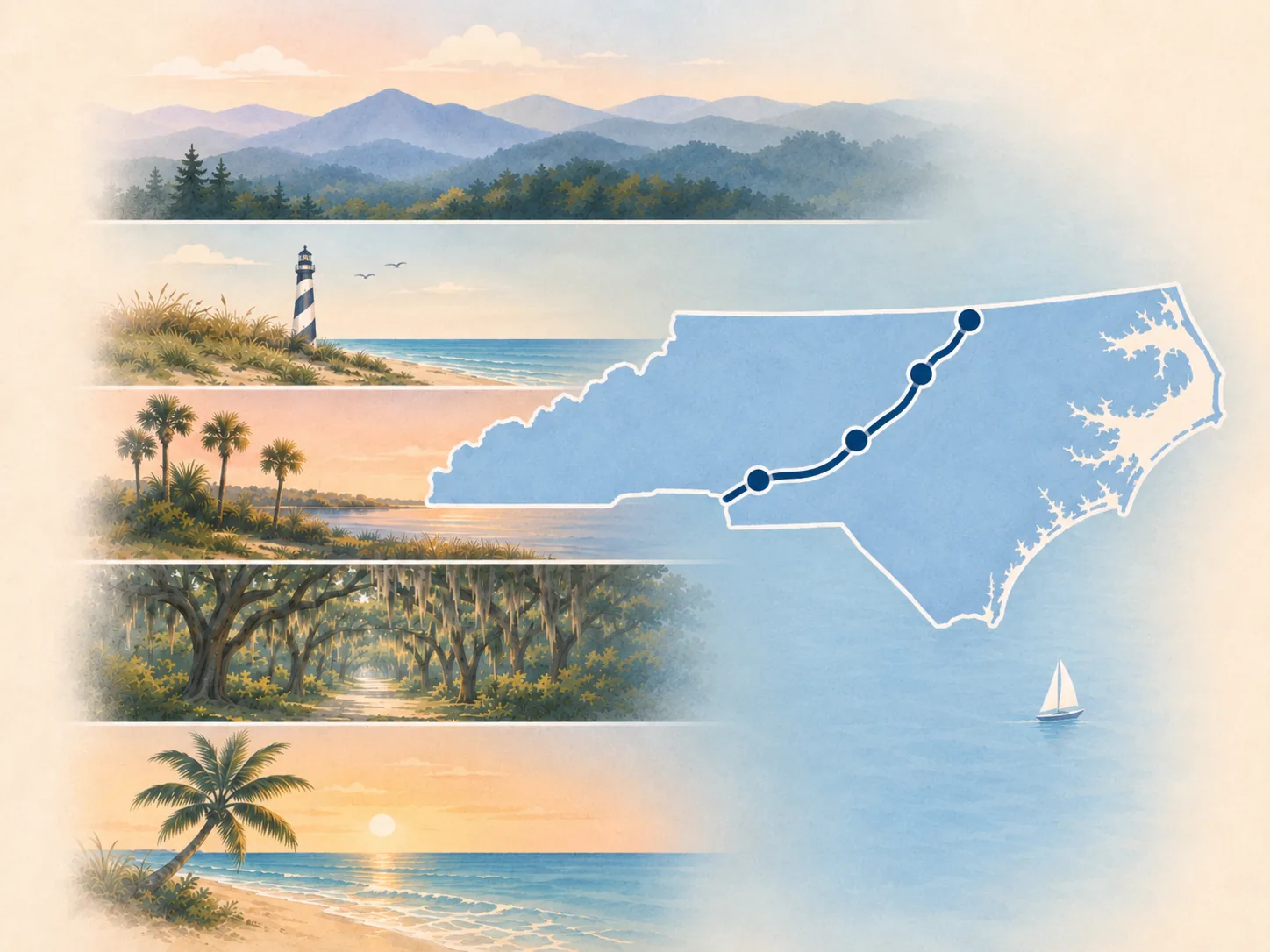
Best ways to use North Carolina right now
Start with the stop or route layer that matches the decision you are making. North Carolina can be the state where the coast turns into river towns, or the stretch that carries you from South Carolina into the Virginia finish.
Best gateway
Wilmington
Use Wilmington when the state should start with a real city arrival on the Cape Fear.
Best full-service middle
Jacksonville
Use Jacksonville when the Wilmington-to-New Bern leg needs services, military-community context, or an overnight reset.
Best river reset
New Bern
Use New Bern when you want the middle of the state to feel like a clear river-town pause with room to breathe.
Best historic pause
Edenton
Use Edenton when the state should slow down into waterfront history instead of only pushing mileage.
Best northern handoff
Elizabeth City
Use Elizabeth City when the corridor is preparing to turn toward Virginia.
Best state-line rhythm
SC / NC coastal handoff
Use this when the opening question is how the South Carolina beach corridor settles into North Carolina.
Best corridor trip
Wilmington to Elizabeth City
Use this when the state should be understood as a connected road trip with a strong practical middle instead of a border note.
How the North Carolina corridor works
Think of North Carolina as four connected route layers with Jacksonville as the practical full-service reset between the first two. The state works best when each major anchor keeps a distinct job: Wilmington for arrival, New Bern for reset, Edenton for slower history, and Elizabeth City for the turn toward Virginia.
1 · Cape Fear entry
Wilmington and the city arrival
Wilmington is the city-scale anchor that makes the North Carolina chapter feel real. Northbound, it is the point where the state begins to earn its own time. Southbound, it is the last strong arrival before the route turns back toward South Carolina.
2 · River-city middle
New Bern and the first reset
New Bern gives the corridor a clear pause between the Cape Fear side and the quieter Inner Banks sequence. It is the place that keeps the chapter from feeling like one long through-drive.
3 · Inner Banks pacing
Edenton and the quieter middle
Edenton works best when the day needs a slower waterfront stop that still feels meaningful. It keeps the road readable for travelers who want history, water, and a calmer break in the same stop.
4 · Albemarle handoff
Elizabeth City and the Virginia cue
Elizabeth City is the northern bridge between the Inner Banks and the Virginia entry. Northbound, it makes the next state easy to read. Southbound, it is the first sign that the slower river-and-sound sequence is beginning again.
Support nodes that make the North Carolina drive legible
North Carolina now has focused guides for every canonical support node. Use them as selective planning layers rather than treating all fourteen places as equal-weight destinations; the anchors still carry the overnight and major-stop decisions.

Brunswick route split
Shallotte
Use Shallotte for the first North Carolina reset and to keep mainline U.S. 17 distinct from U.S. 17 Business.
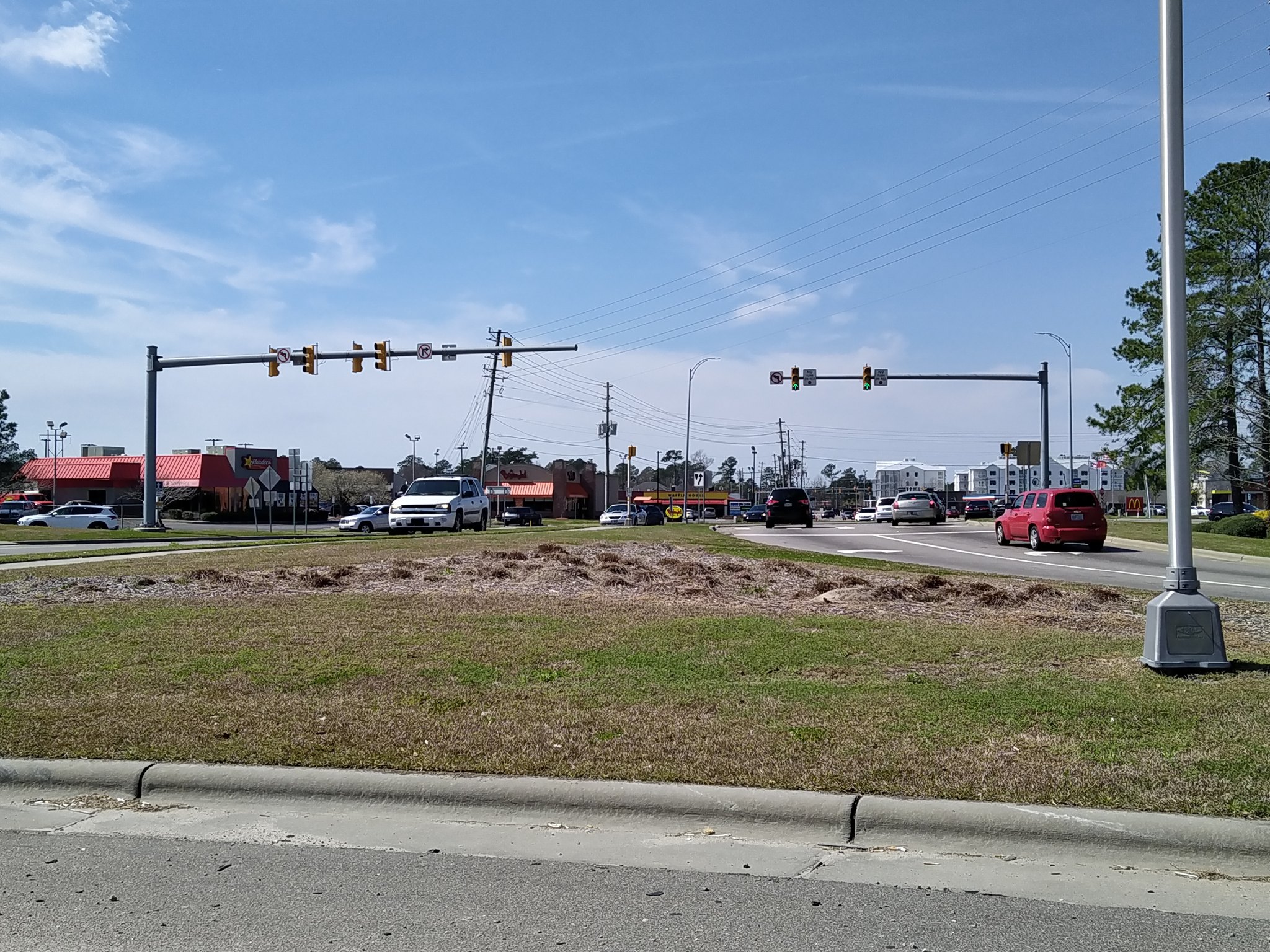
Wilmington-side gateway
Leland
Use Leland for Brunswick County logistics and the practical Wilmington approach.

Bypass transition
Hampstead
Use Hampstead as a construction-sensitive alignment and services decision point north of Wilmington.
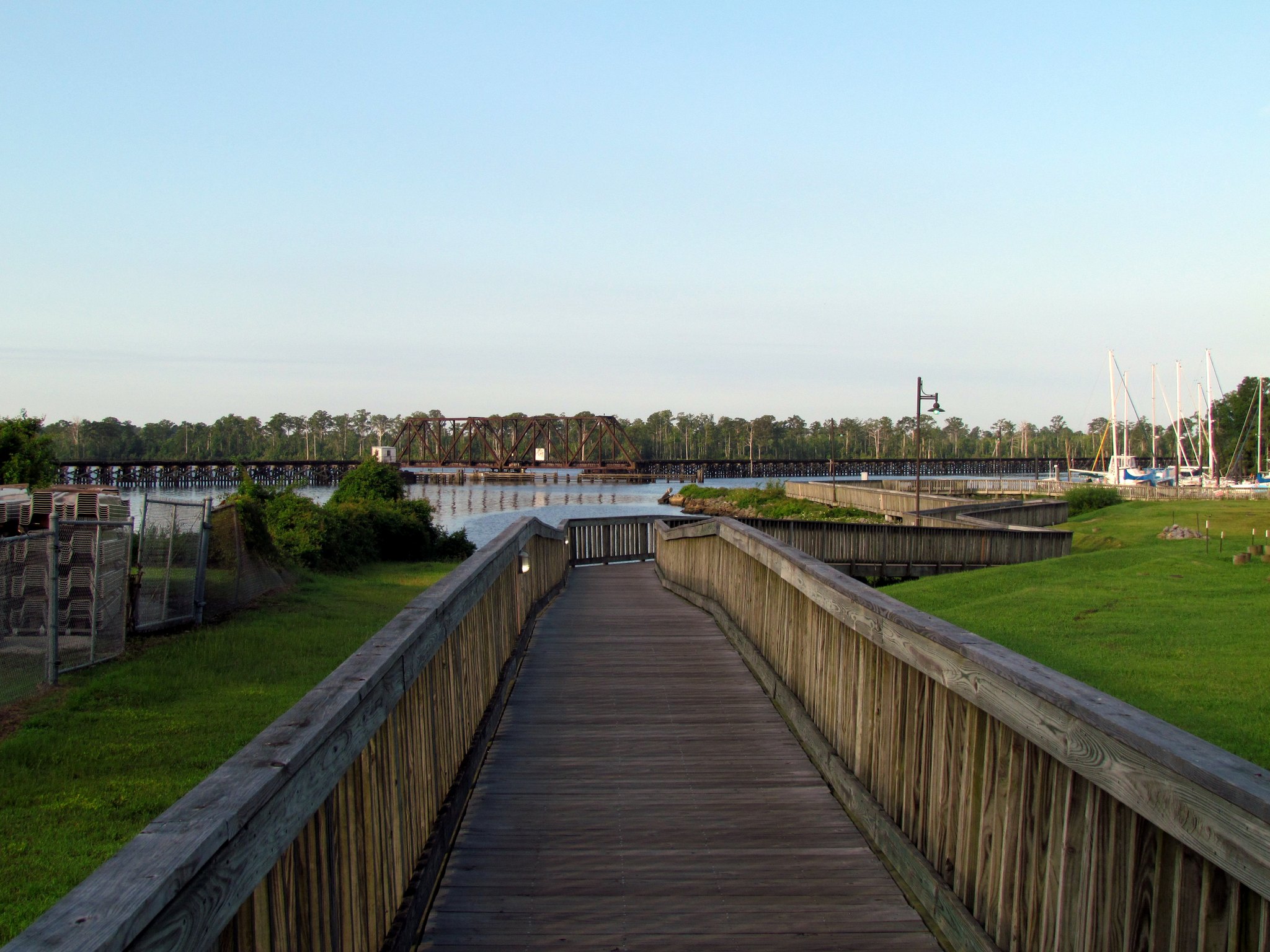
Pamlico River reset
Washington
Use the riverwalk and downtown waterfront for a real Inner Banks pause between New Bern and the northeastern corridor.
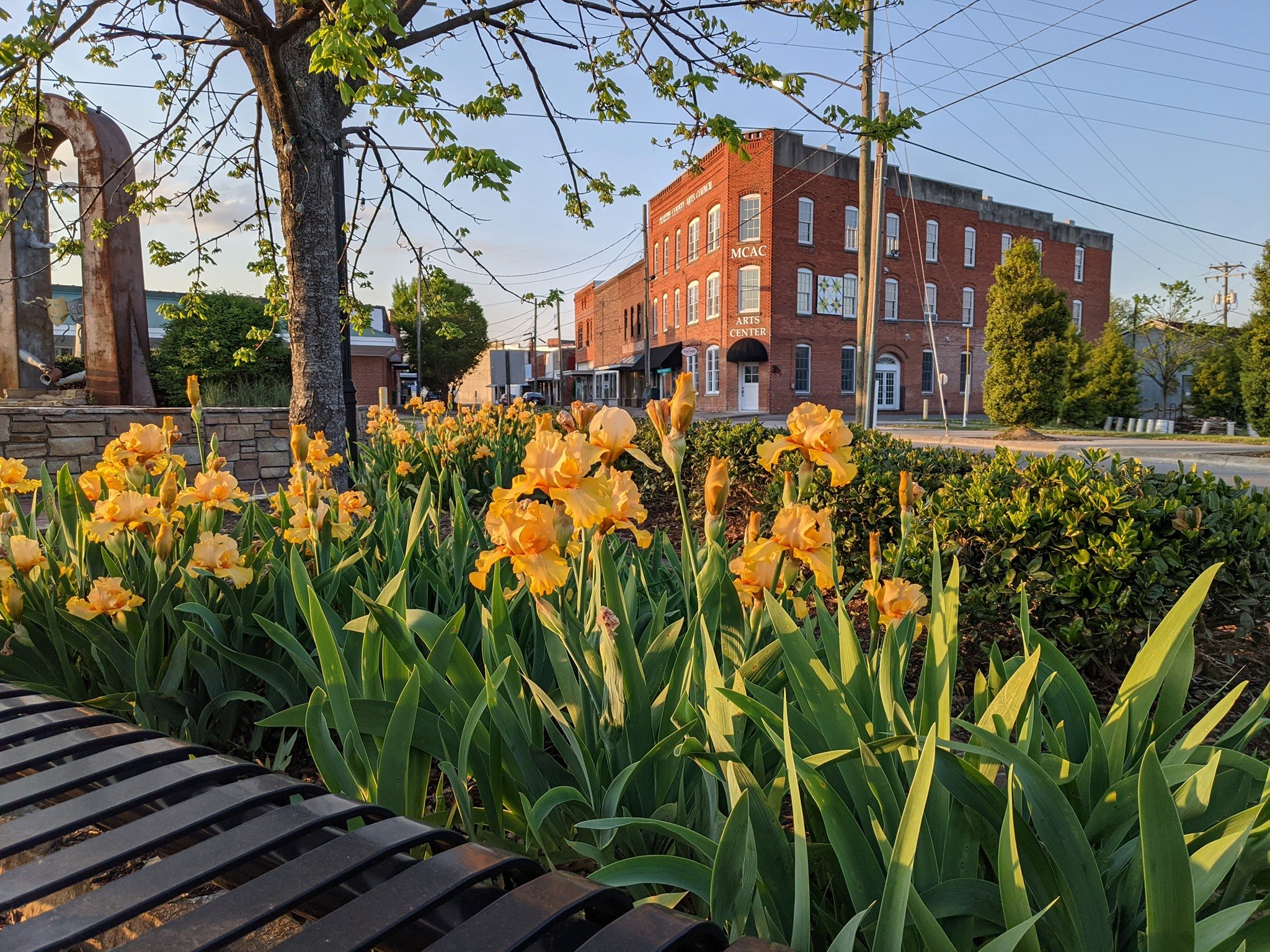
Roanoke River transition
Williamston
Use the downtown-to-river connection to mark the start of the long northeastern U.S. 17 run.
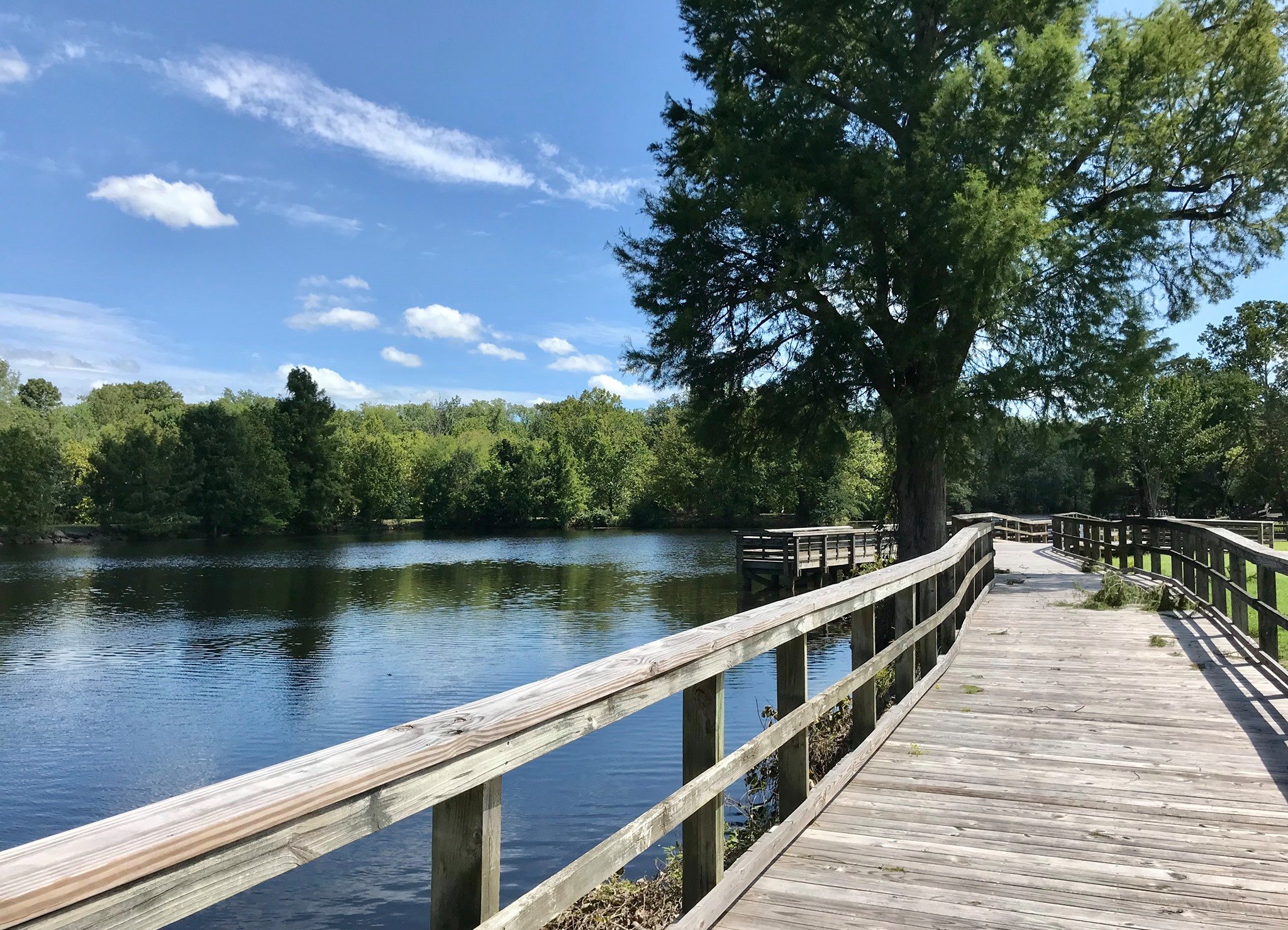
Cashie River pause
Windsor
Use Windsor for a quiet river, wetlands, and boardwalk reset before Edenton.
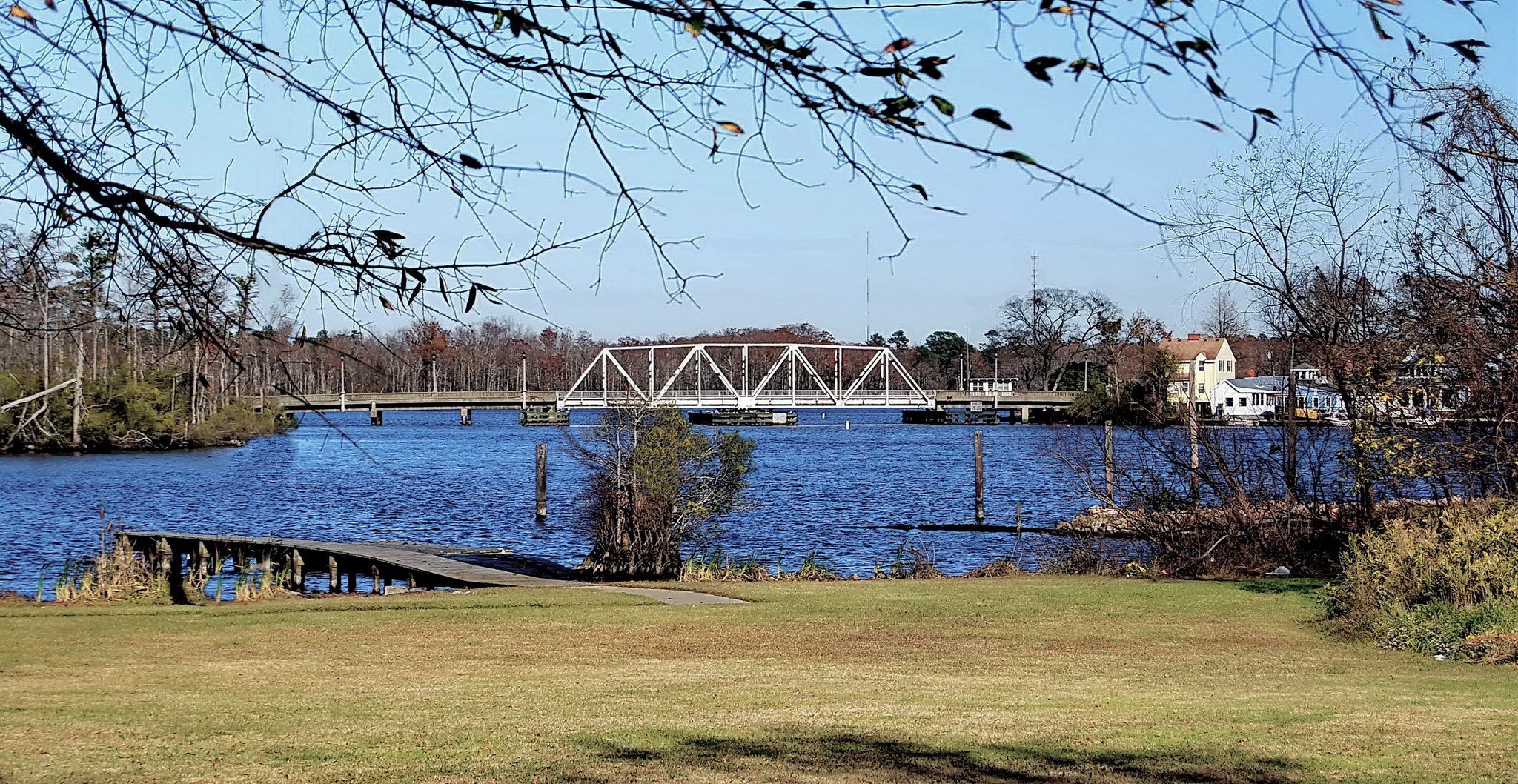
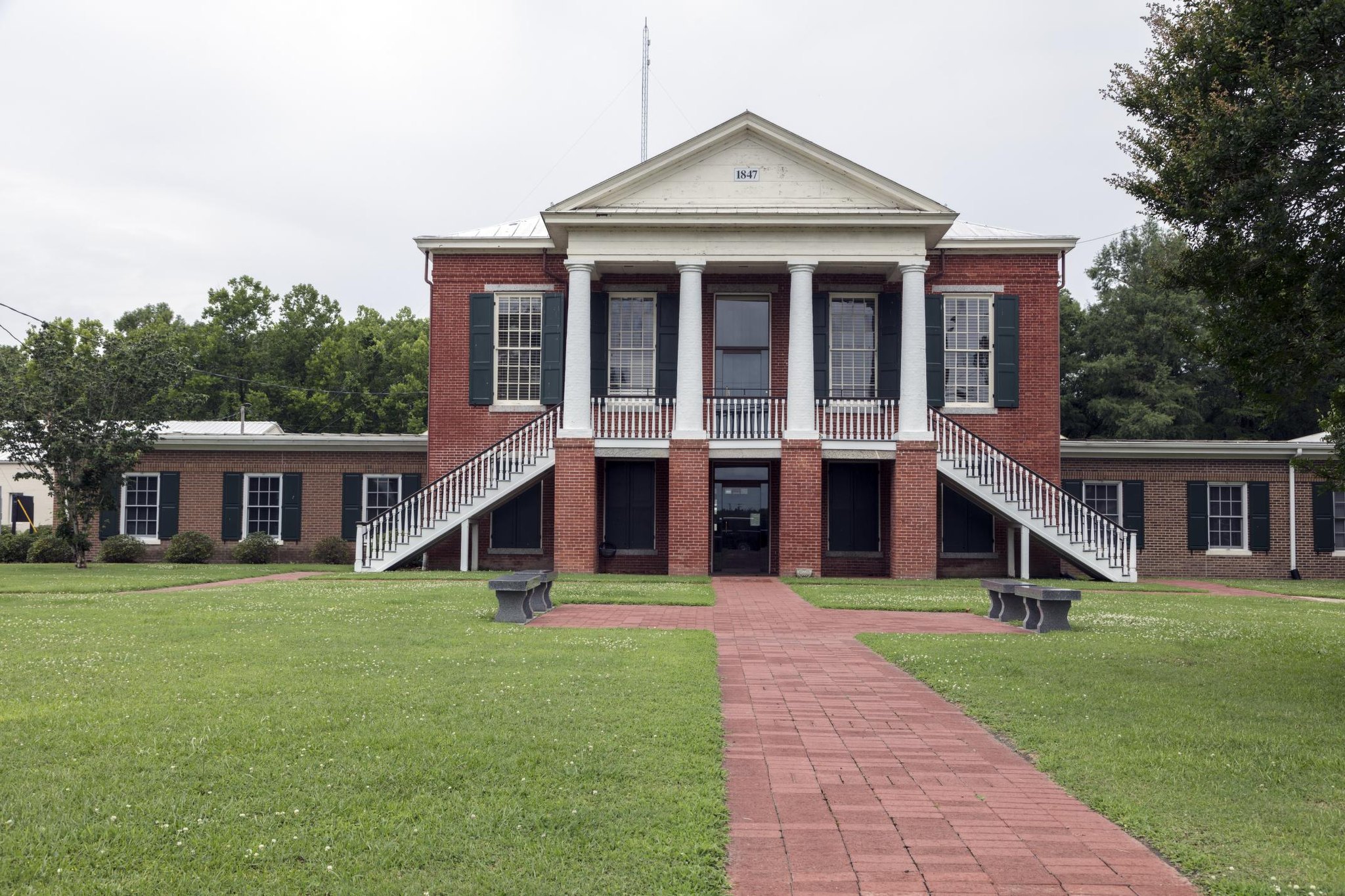
County-history cue
Camden
Use Camden for exact-place county history as the route approaches the Great Dismal Swamp.

Dismal Swamp gateway
South Mills
Use South Mills for the Highway 17 welcome-center, canal, and state-park layer immediately before Virginia.
What kind of state chapter this is
Use it as
- a Cape Fear and river-town chapter
- a slower Inner Banks route chapter
- a bridge between South Carolina and Virginia
- a state chapter where the anchor order matters
Avoid using it as
- a beach-only page
- a place where Wilmington, New Bern, Edenton, and Elizabeth City blur together
- a state chapter without a clear northbound handoff
- a substitute for the detailed trip sequence and segment rhythm
Current North Carolina anchors
These place guides carry the state from the Cape Fear city start through river-town and Inner Banks pacing to the Virginia handoff.
Cape Fear anchor
Wilmington
Best when the state should open with a proper city stop and a clear arrival feeling.
Plan Wilmington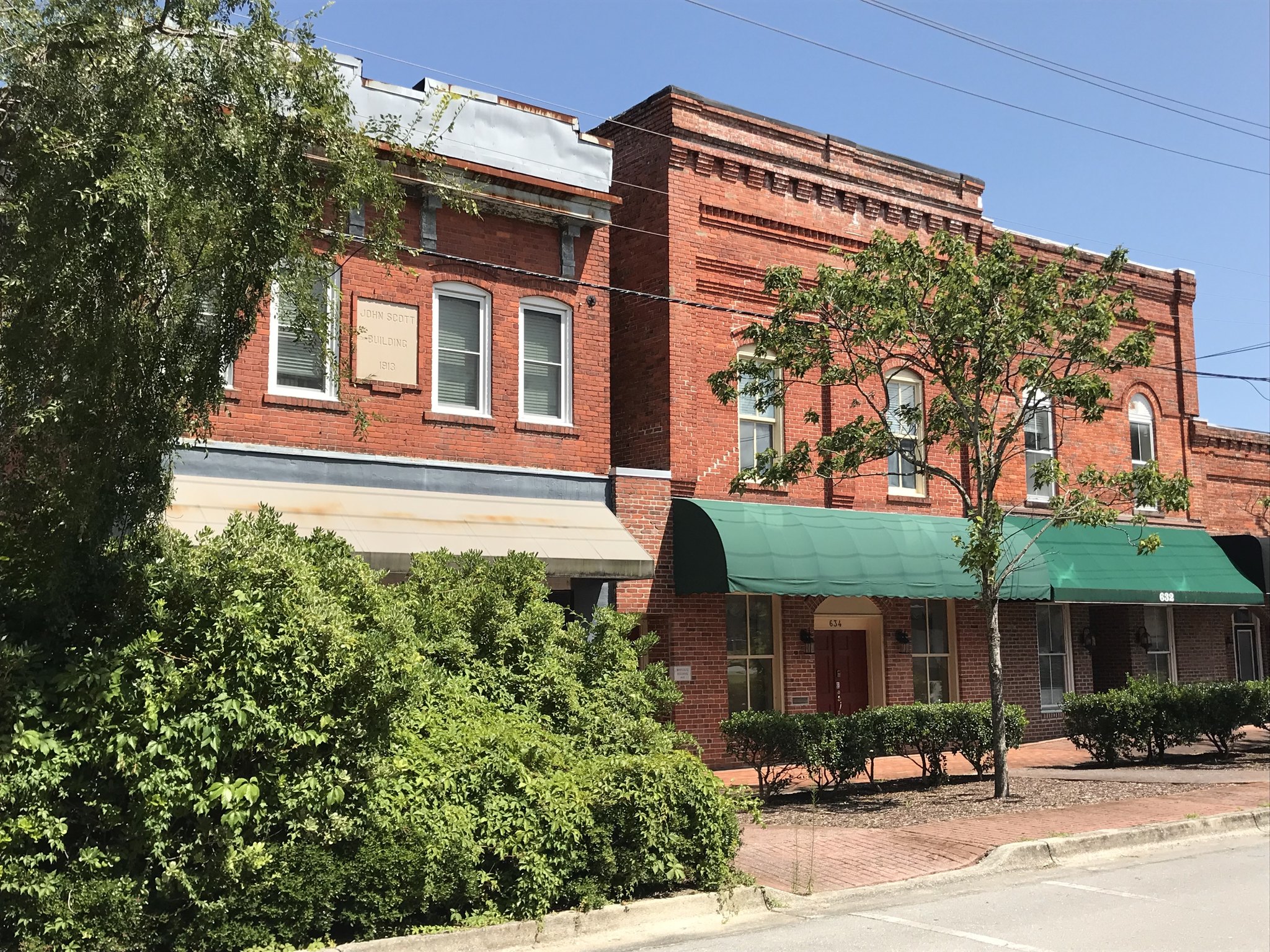
Full-service middle
Jacksonville
Best when the Wilmington-to-New Bern leg needs military-community context, services, or an overnight reset.
Plan Jacksonville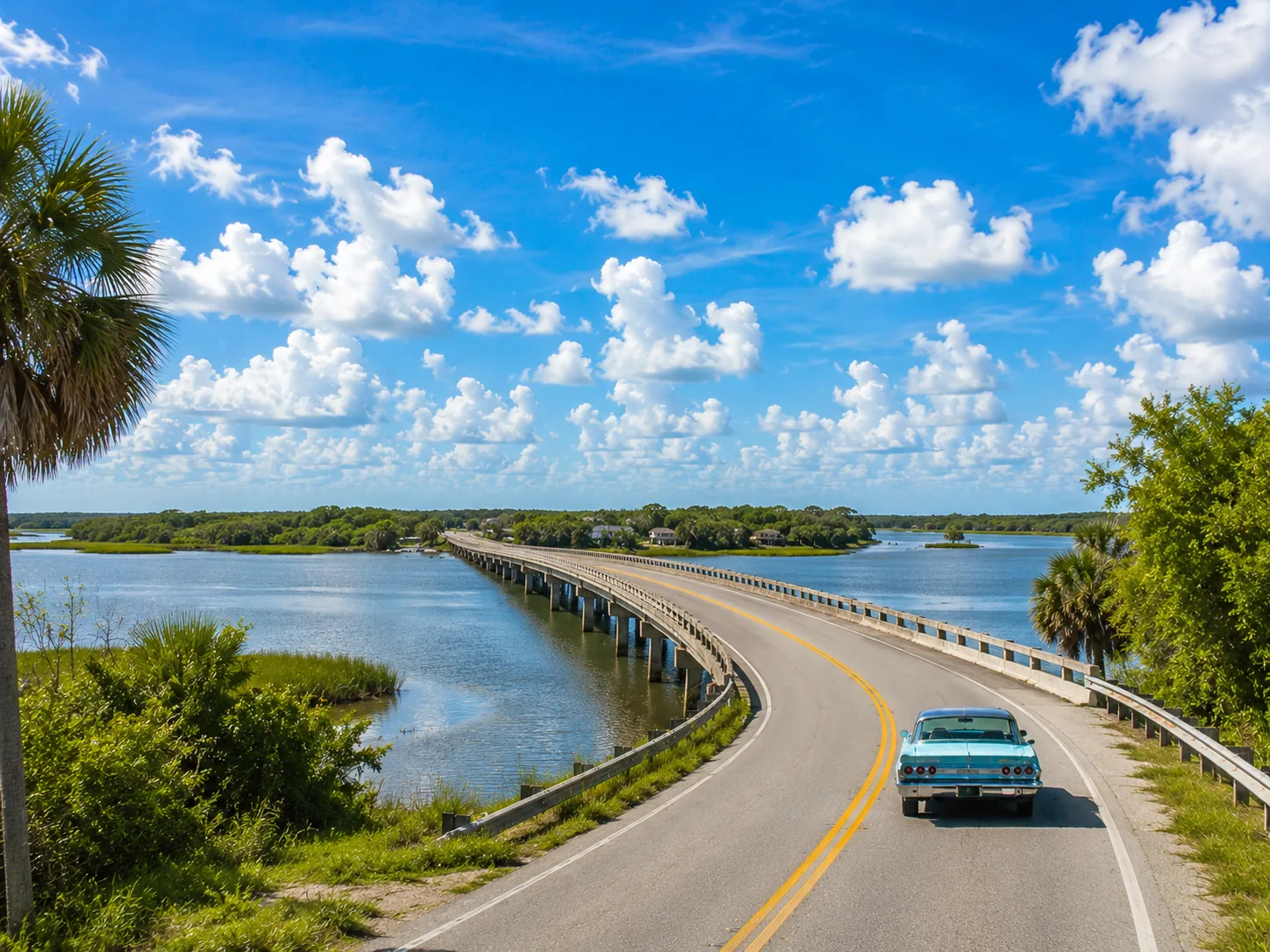
River-town reset
New Bern
Best for a measured midchapter stop that keeps the drive from turning into a pure transfer.
Plan New Bern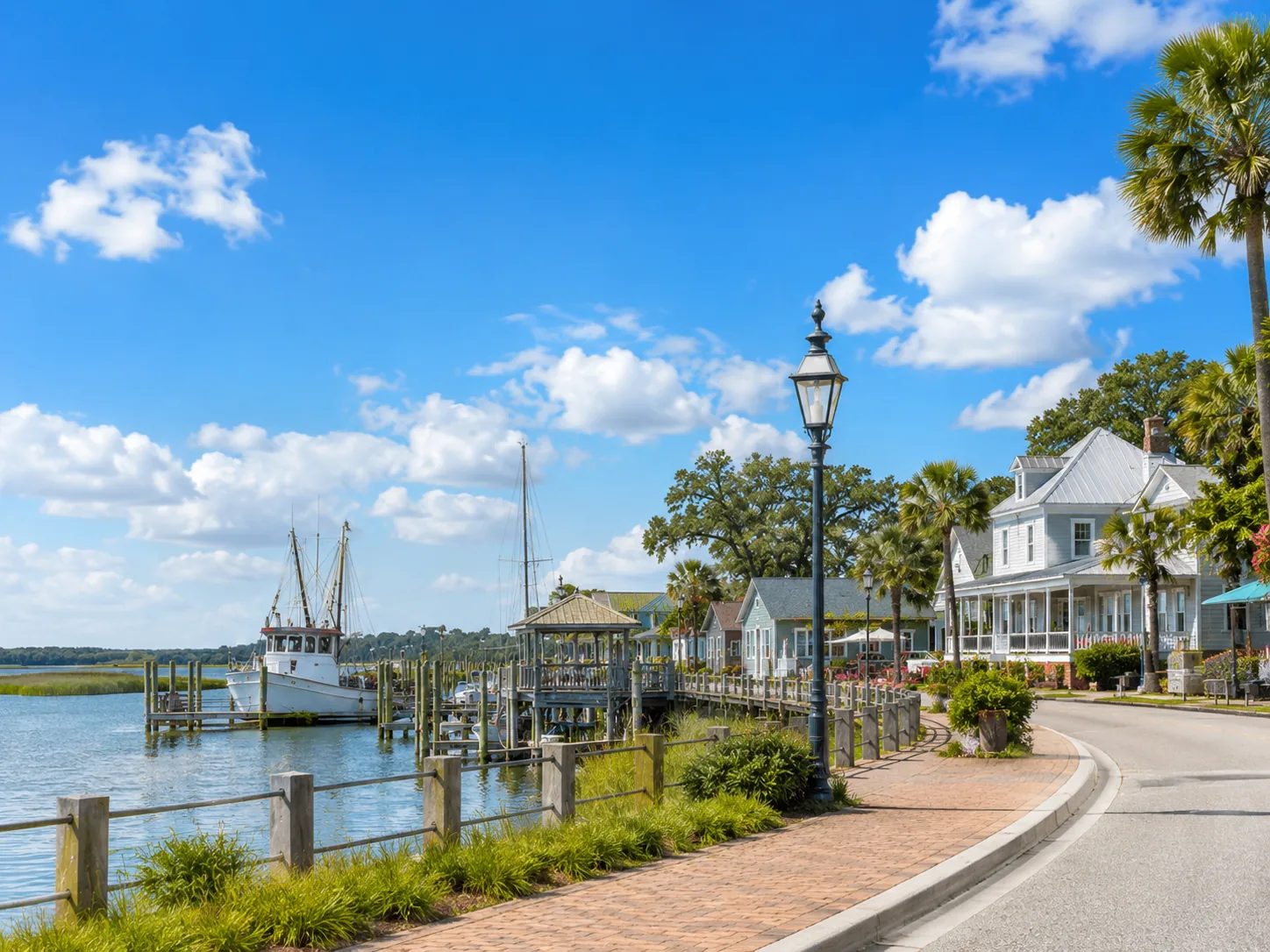
Historic pause
Edenton
Best when the route should slow down into waterfront history and a gentler pace.
Plan Edenton
Northern handoff
Elizabeth City
Best when North Carolina is ready to hand the corridor to Virginia.
Plan Elizabeth CityDrive rhythm and practical planning
Best default plan
Choose one major anchor first. For most travelers that means Wilmington. Then decide whether New Bern is the reset, whether Edenton is the quieter middle, and whether Elizabeth City is the point where the state should hand the road to Virginia.
Where the day can go wrong
The state gets messy when travelers try to treat Wilmington, New Bern, Edenton, and Elizabeth City as the same kind of stop. The chapter works better when Wilmington handles the city arrival, New Bern handles the reset, Edenton handles the slow history, and Elizabeth City handles the turn toward Virginia.
Use the South Carolina handoff when you need to understand the southbound edge, and use Virginia when the question becomes how the corridor changes after the final North Carolina stop.
Stop briefly
Use Elizabeth City when you need a final pause before the Virginia entry instead of another long day.
Linger
Use Edenton when the day should slow down into historic waterfront pacing.
Stay
Use Wilmington when the state should work as a real overnight or city anchor.
Keep moving
Keep the corridor moving when North Carolina is only the bridge between South Carolina and Virginia.
Trips and segments that use this state
Use these route layers to turn the state chapter into a practical four-anchor trip, a drive-rhythm segment, or a northbound or southbound continuation.
North Carolina trip
Wilmington to Elizabeth City
Use Wilmington to Elizabeth City when the state should be paced as a four-anchor route chapter.
Route rhythm
North Carolina Cape Fear, Inner Banks, and Albemarle approach
Use the North Carolina Cape Fear, Inner Banks, and Albemarle approach to understand how the chapter changes after Wilmington.
Southern continuation
Charleston to Wilmington
Use this when North Carolina is the finish after the South Carolina coast.
Southbound rhythm
South Carolina / North Carolina coastal handoff
Use this when you want the state-line transition in view.
Next state
Virginia
Use Virginia when the North Carolina chapter is finished and the corridor changes scale.
Best next pages
Start with Wilmington, follow the four-anchor trip or segment, or continue into Virginia when the North Carolina chapter is complete.
Open first
Wilmington
Use Wilmington when the state should begin with a city arrival.
Open trip
Wilmington to Elizabeth City
Use Wilmington to Elizabeth City when you want the full four-anchor sequence.
Open segment
NC Cape Fear, Inner Banks, and Albemarle approach
Use the NC Cape Fear, Inner Banks, and Albemarle approach when you want the route rhythm before you choose a stop.
Next state
Virginia
Use Virginia when you want the next chapter in view.
Take this state chapter on paper
Print the North Carolina Route 17 planner
Use the 4-page state planner to keep the chapter role, anchor stops, route decisions, reset strategy, and current-condition checks together while you plan.