Trip guide
Yorktown to Winchester Road Trip on Route 17
Let Virginia change character in stages instead of rushing the final miles.
Yorktown to Winchester carries Route 17 from the York River history stop through Gloucester, Saluda, and Tappahannock, into the city-scale reset at Fredericksburg, and then through Warrenton, Marshall, Delaplane, and Paris before the corridor finishes at Winchester.
Use this trip when the goal is to make the northern end of Route 17 feel like a real chapter. Yorktown starts with history, the Middle Peninsula keeps the river-and-rural middle visible, Fredericksburg gives the long finish a reset, and Winchester provides the endpoint.
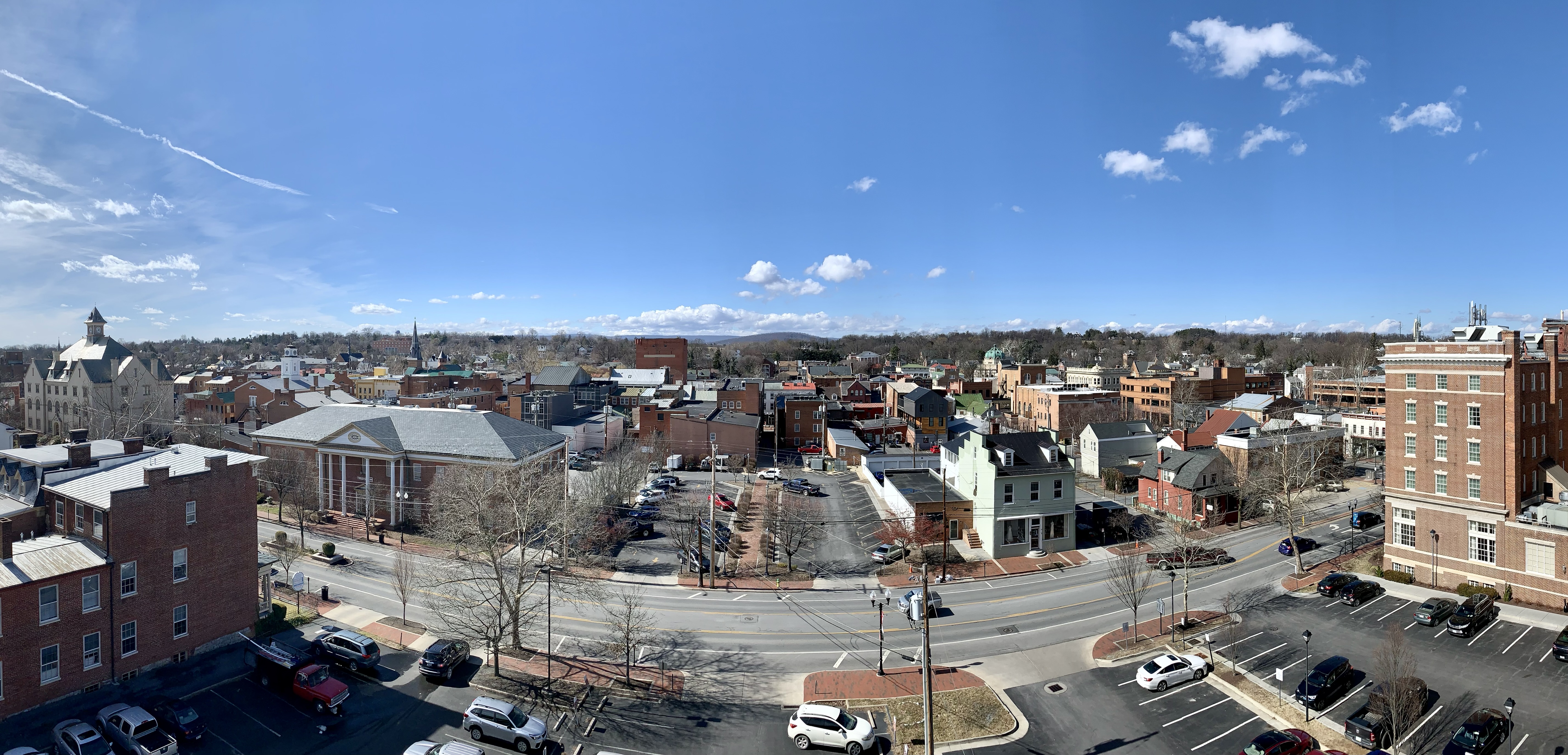
Trip shape
Read the drive as four jobs: a history start, a Middle Peninsula and Rappahannock middle, a Fredericksburg reset, and a Piedmont-to-Shenandoah finish. The supporting towns matter because they explain the changing road, not because every one must become a stop.
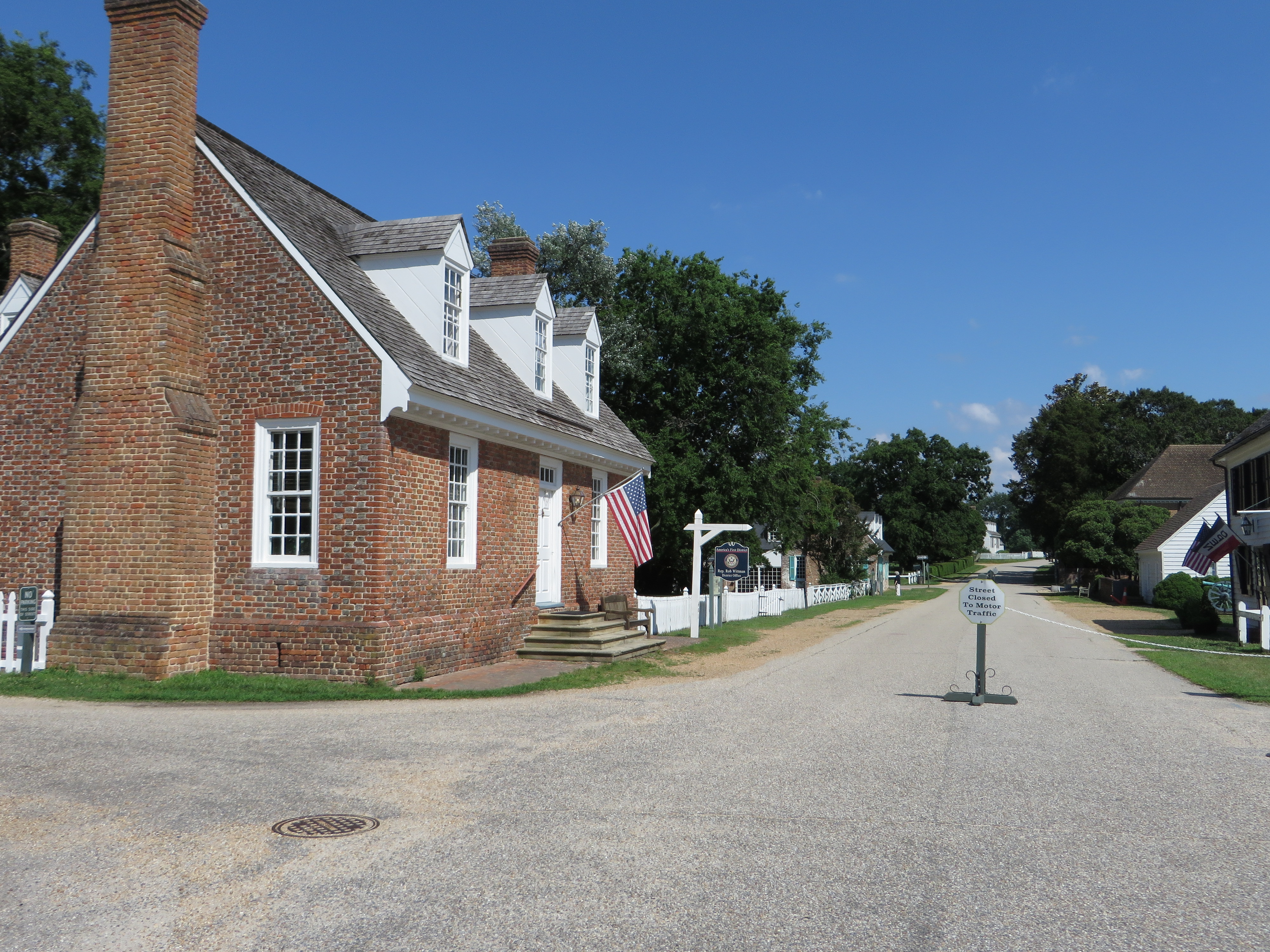
Start
Yorktown
Begin with the chosen history stop and leave only after the stop has done its job.
- Best start: use Yorktown as a history-forward launch or overnight handoff from Tidewater.
Middle
Tappahannock and Fredericksburg
Let Tappahannock provide the Rappahannock river pause, then use Fredericksburg as the city-scale reset before the Piedmont and Ashby Gap approach.
- Best middle: protect Fredericksburg when the day needs a major pause or overnight split; keep smaller support towns selective.
Finish
Winchester
Use Winchester as the finish line, not one more dot. The route has shifted fully from Tidewater and river country to the valley edge.
- Best finish: arrive with enough margin for the northern terminus to feel like a completion stop.
Choose your trip shape
Direct but legible
Protect Yorktown, use Tappahannock as the one middle pause, reset in Fredericksburg, and keep the final approach focused on Winchester.
History-forward
Give Yorktown and Fredericksburg the protected time. Keep Gloucester, Saluda, and the other support nodes brief so the two major history anchors do not compete with a checklist.
Overnight split
Fredericksburg is the natural place to break the chapter when you want the Middle Peninsula and Piedmont approach to stay readable instead of turning into one long push.
Scenic final approach
Use Warrenton, Marshall, Delaplane, and Paris as the changing-landscape cues before Winchester. The value is the transition, not collecting every stop.
Recommended stop sequence
One-day anchor version
Yorktown → Tappahannock → Fredericksburg → Warrenton → Winchester. Use Gloucester, Saluda, Marshall, Delaplane, and Paris as route cues unless one clearly solves a food, service, walking, or timing need.
Overnight version
Give Yorktown and the Middle Peninsula a real first day, then use Fredericksburg as the overnight hinge. The second day can slow down enough to notice Warrenton, the I-66 handoff near Marshall, the Ashby Gap transition, and the Winchester finish without compressing them into the end of an already long run.
Drive Virginia in five phases
The long Virginia finish becomes manageable when you read the changes in landscape and road role. The support towns below are useful because they mark those changes; the phases are what keep the day from becoming a photo grid or a checklist.
1 · Yorktown to Gloucester
Leave Yorktown only after the history stop has done its job. Gloucester Courthouse is the first civic cue on the Middle Peninsula and a good reminder that this part of Route 17 is now smaller-scale and more rural.
2 · Middle Peninsula to Tappahannock
Saluda keeps the county-seat sequence legible, but Tappahannock is the stronger pause. Use the Rappahannock riverfront and the U.S. 17/360 crossroads as the point where the long Virginia middle earns a meal, walk, or orientation break.
3 · Tappahannock to Fredericksburg
The corridor turns increasingly inland before Fredericksburg becomes the city-scale reset. If this trip is split overnight, Fredericksburg is the natural hinge because it protects both the Middle Peninsula and the northern approach from becoming rushed.
4 · Fredericksburg to northern Piedmont
Warrenton and Marshall mark the transition from Fredericksburg-scale travel into the northern Piedmont. Marshall's U.S. 17/I-66 junction is a practical route cue; use current routing and traffic conditions rather than assuming the road will behave like the rural miles behind you.
5 · Ashby Gap to Winchester
Delaplane and Paris are landscape cues more than required stops. Let the rolling Piedmont and the U.S. 17/U.S. 50 crossroads near Ashby Gap signal the final transition, then keep enough margin for Winchester to feel like the northern terminus.
The support stops in drive order
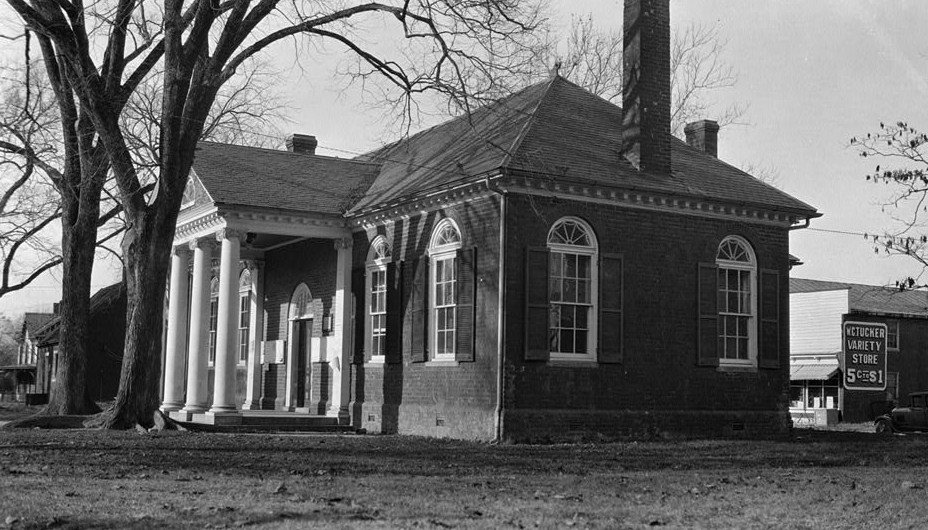
Middle Peninsula history
Gloucester
Use Gloucester Courthouse and Main Street as the first civic cue after Yorktown.
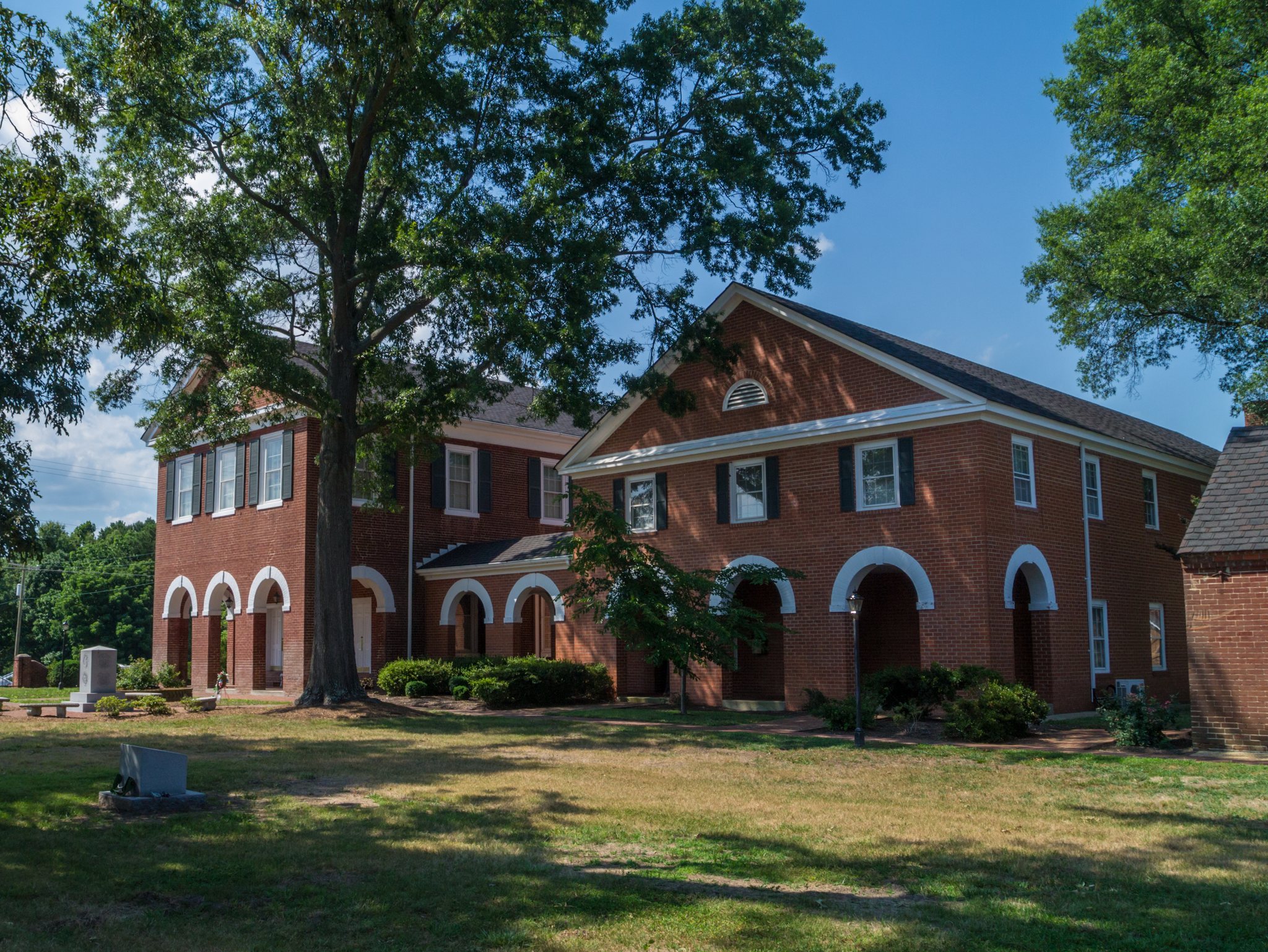
County-seat waypoint
Saluda
A compact cue that keeps the rural Middle Peninsula sequence intact before Tappahannock.
Piedmont reset
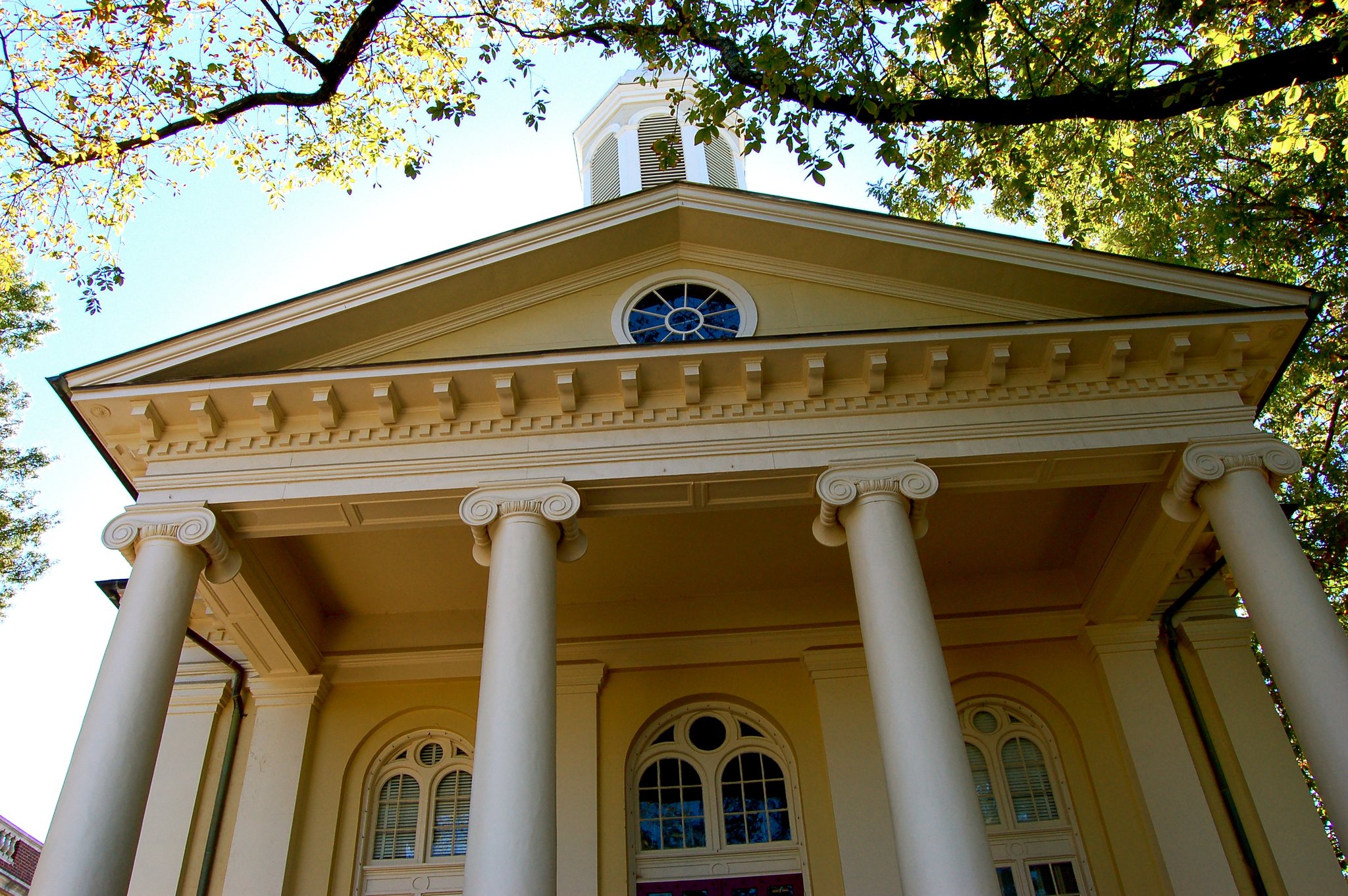
Warrenton
Old Town marks the change from Fredericksburg-scale Virginia into the smaller northern Piedmont sequence.
Junction cue
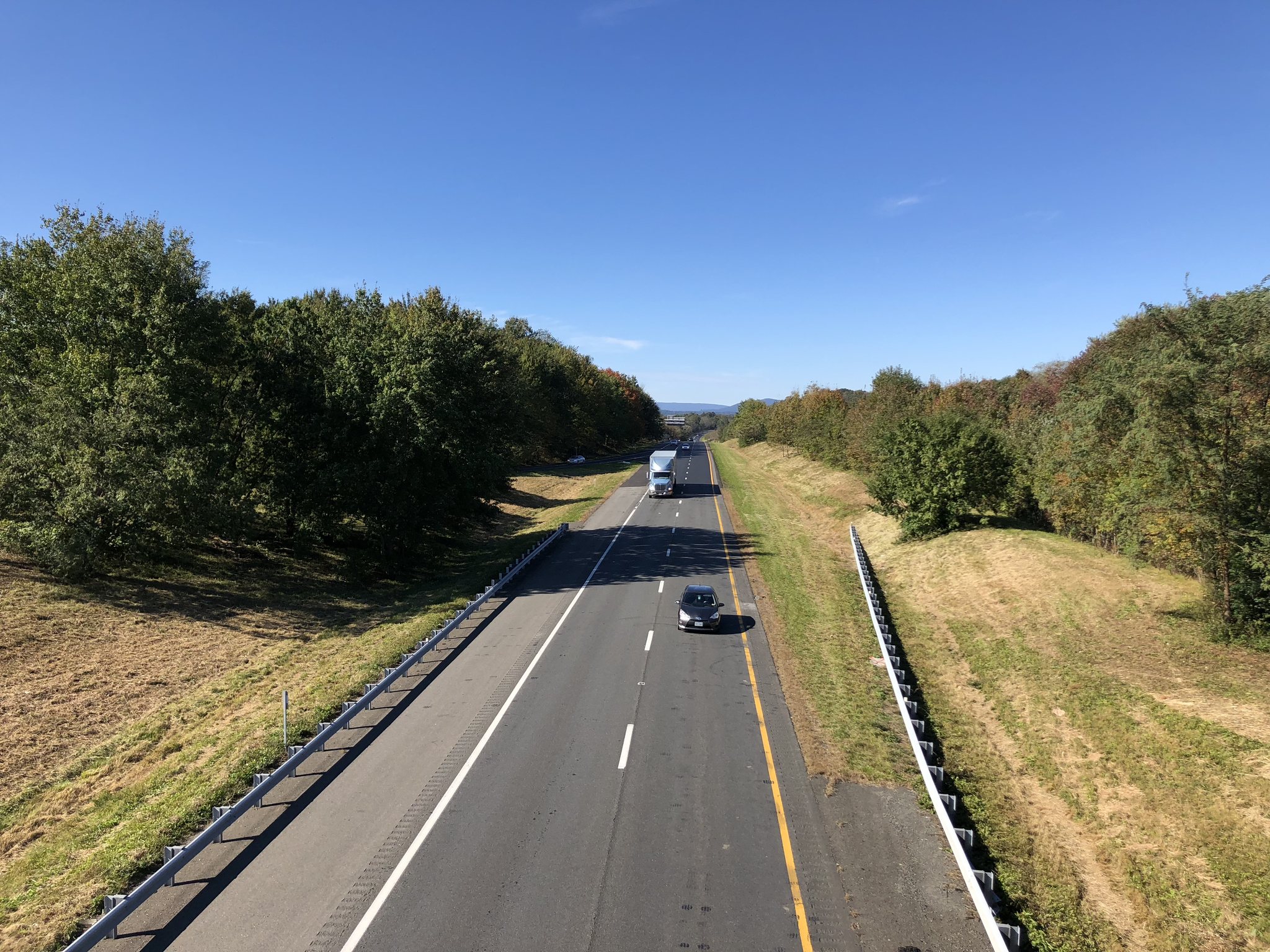
Marshall
The U.S. 17/I-66 junction is the practical route landmark before the last rural approach.
Rural Route 17
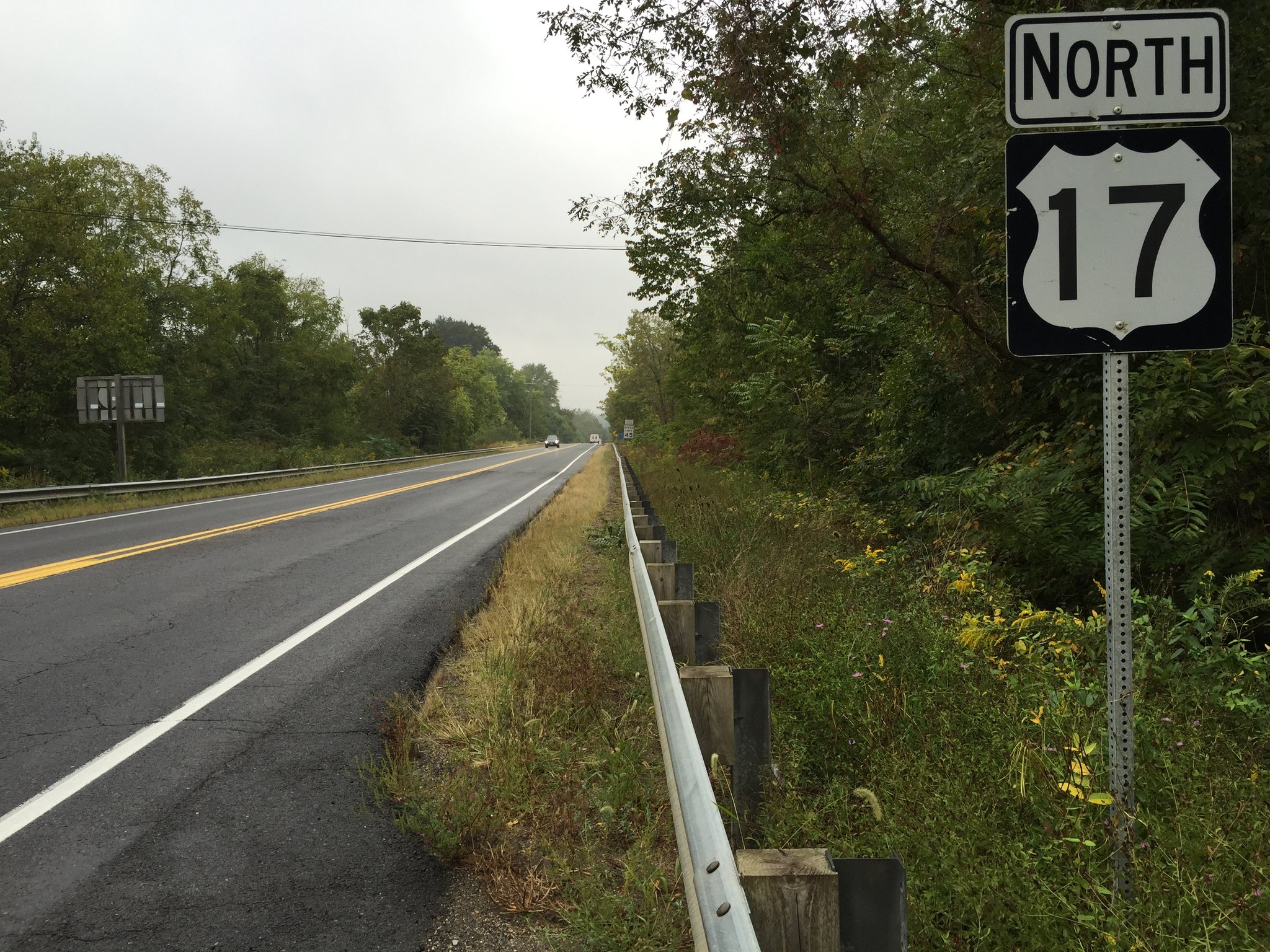
Delaplane
Let the actual road, rolling Piedmont, and railroad-village context carry the scene.
Ashby Gap cue
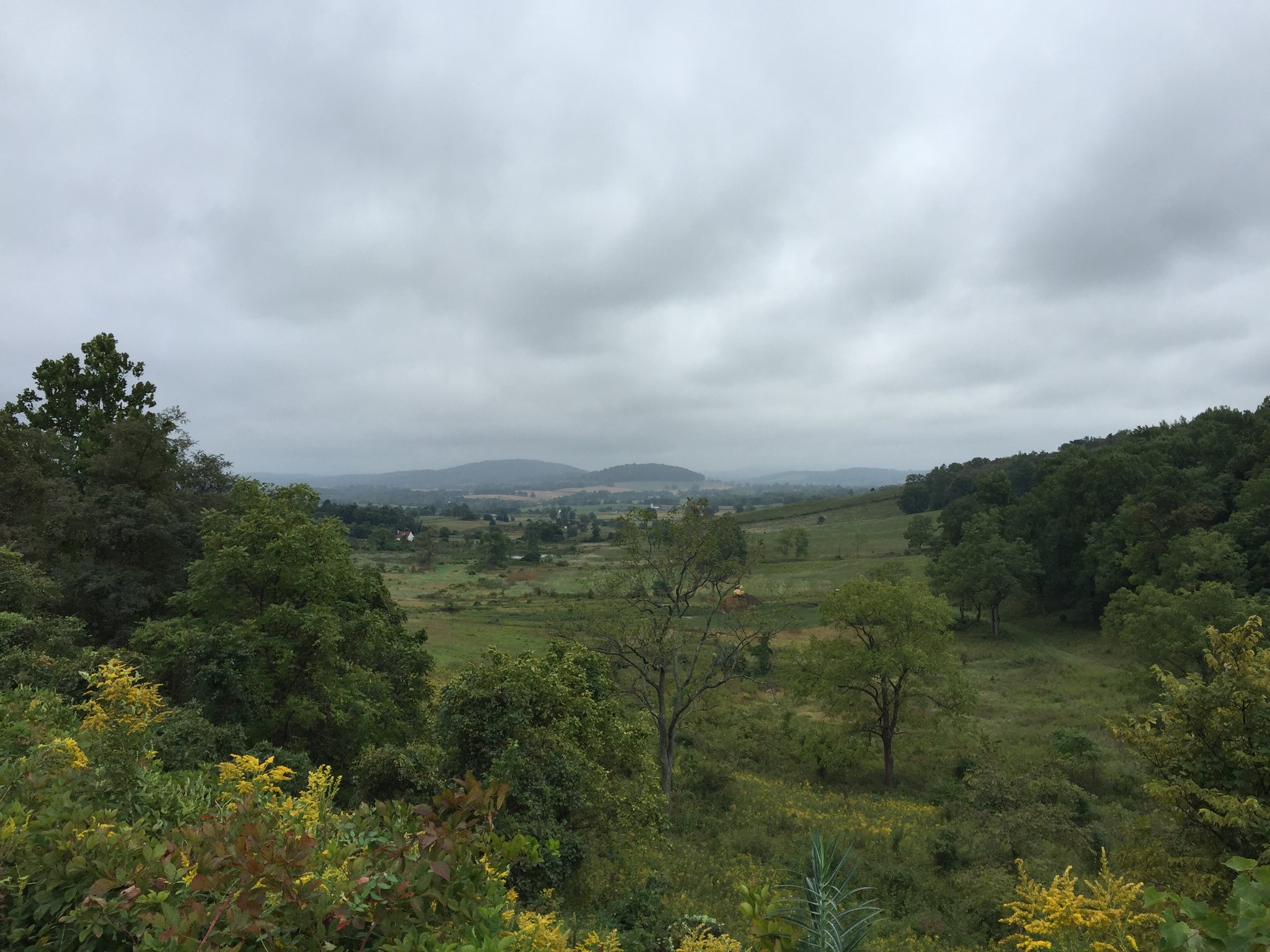
Paris
The U.S. 17/U.S. 50 crossroads is the final visual transition before Winchester closes the corridor.
Where to pause or reset
Keep the middle selective
Gloucester, Saluda, and Tappahannock preserve continuity, but only Tappahannock needs to become a deliberate pause by default. Save the deeper stop budget for Yorktown, Fredericksburg, or Winchester.
Protect the finish
Do not spend all the schedule before the Piedmont approach. Warrenton, Marshall, Delaplane, and Paris explain the landscape change, and Winchester deserves enough margin to feel like the northern endpoint.
Planning and utility posture
What to verify before driving
- Current weather, construction, incidents, closures, and traffic across the Middle Peninsula, Fredericksburg area, and northern Virginia approach.
- Current routing and overlap conditions where Route 17 interacts with larger highways around Fredericksburg, Warrenton, and Marshall.
- Operating hours, parking, access, lodging, and any reservations for Yorktown, Fredericksburg, Winchester, or optional stops you plan to use.
- Fuel, food, and overnight details if Fredericksburg is the reset or Winchester is the final stay.
If the day runs long
Cut support nodes first. Keep Tappahannock as the clearest middle reset, protect Fredericksburg if it is the overnight or city anchor, and preserve enough margin for Winchester to function as the finish. The route is more coherent with fewer deliberate stops than with a rushed collection of every Virginia waypoint.
Fall option: For a smaller trip focused on northern Virginia's changing trees and historic-town time, use the Winchester-to-Fredericksburg fall guide. The seasonal piece does not replace this complete Route 17 driving sequence or turn Skyline Drive into a US 17 segment.
Use this with the rest of the guide
State chapter
Virginia
Use the state guide for the complete five-zone Virginia planning frame.
Drive rhythm
Virginia Tidewater, historic corridor, and Shenandoah finish
Use the segment when you want every connective node in drive order.
Previous trip
Elizabeth City to Yorktown
Use the gateway trip when you want the North Carolina handoff, Chesapeake reset, and Hampton Roads crossing first.
Whole route
Route 17 overview
Use the overview when the Virginia finish should sit inside the full Punta Gorda-to-Winchester story.
Paper companion
Print the Yorktown to Winchester trip companion
Use the 4-page companion for route phases, anchor and backup choices, pacing posture, current-condition checks, cut-first decisions, and the final Route 17 worksheet.