Segment guide
Virginia Tidewater, Historic Corridor, and Shenandoah Finish on Route 17
Let Route 17 trade coastal rhythm for a clean inland finish.
The Virginia Tidewater, historic corridor, and Shenandoah finish is the Route 17 closing chapter. It moves from Chesapeake through Portsmouth and Suffolk and the James River crossing at Newport News, slows for Tidewater history at Yorktown, resets the day in Fredericksburg and Warrenton, and resolves at Winchester.
Use it when you want the last state on the corridor to feel organized, readable, and finished rather than rushed.
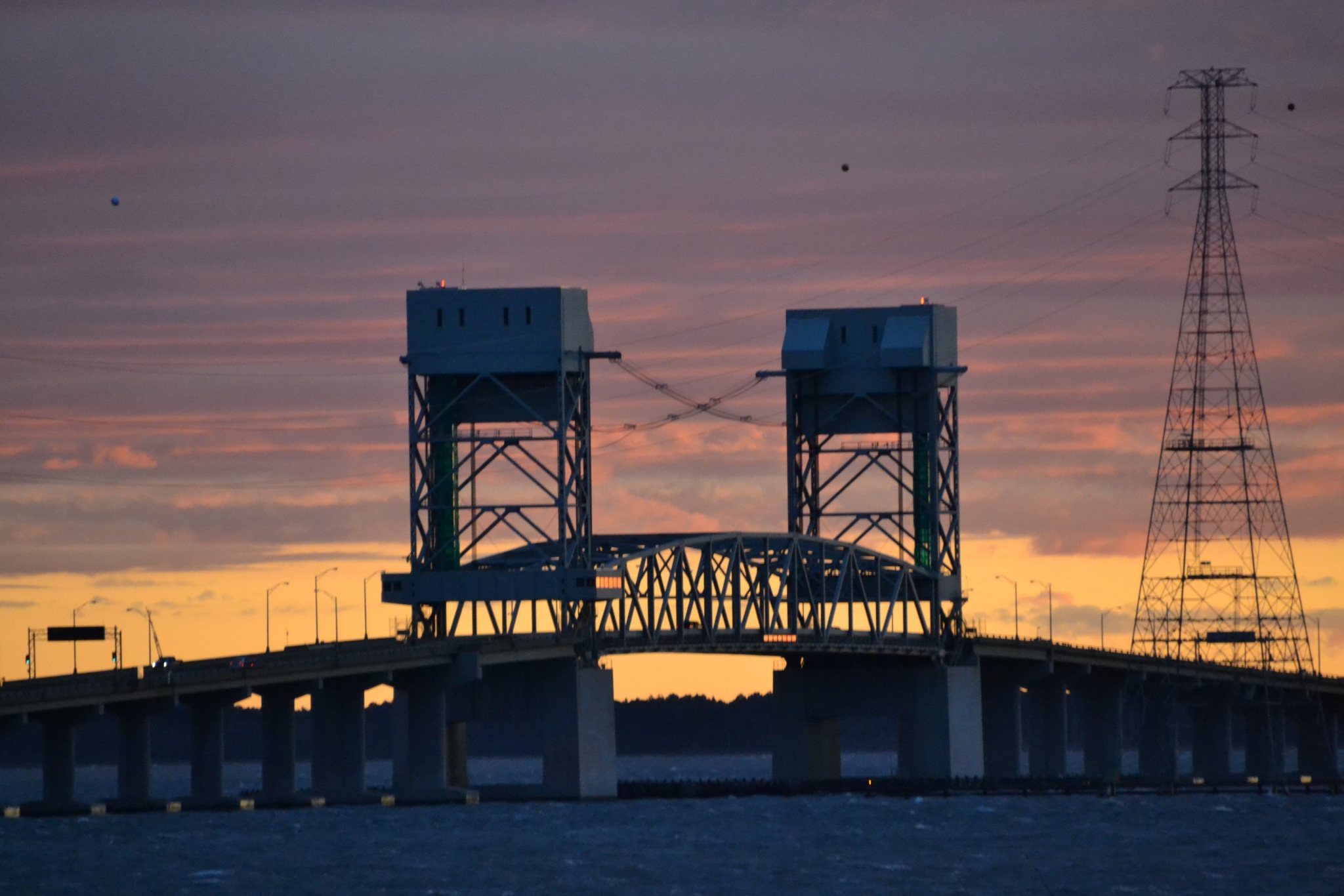
Segment at a glance
The canonical anchor layer now carries the full five-zone corridor: Chesapeake opens the gateway; Portsmouth, Suffolk, and Newport News organize the Hampton Roads and James River approach; Yorktown and Tappahannock carry the historic river middle; Fredericksburg and Warrenton reset the inland half; and Winchester closes the route. Gloucester, Saluda, Marshall, Delaplane, and Paris carry the remaining connective support layer.
Gateway city
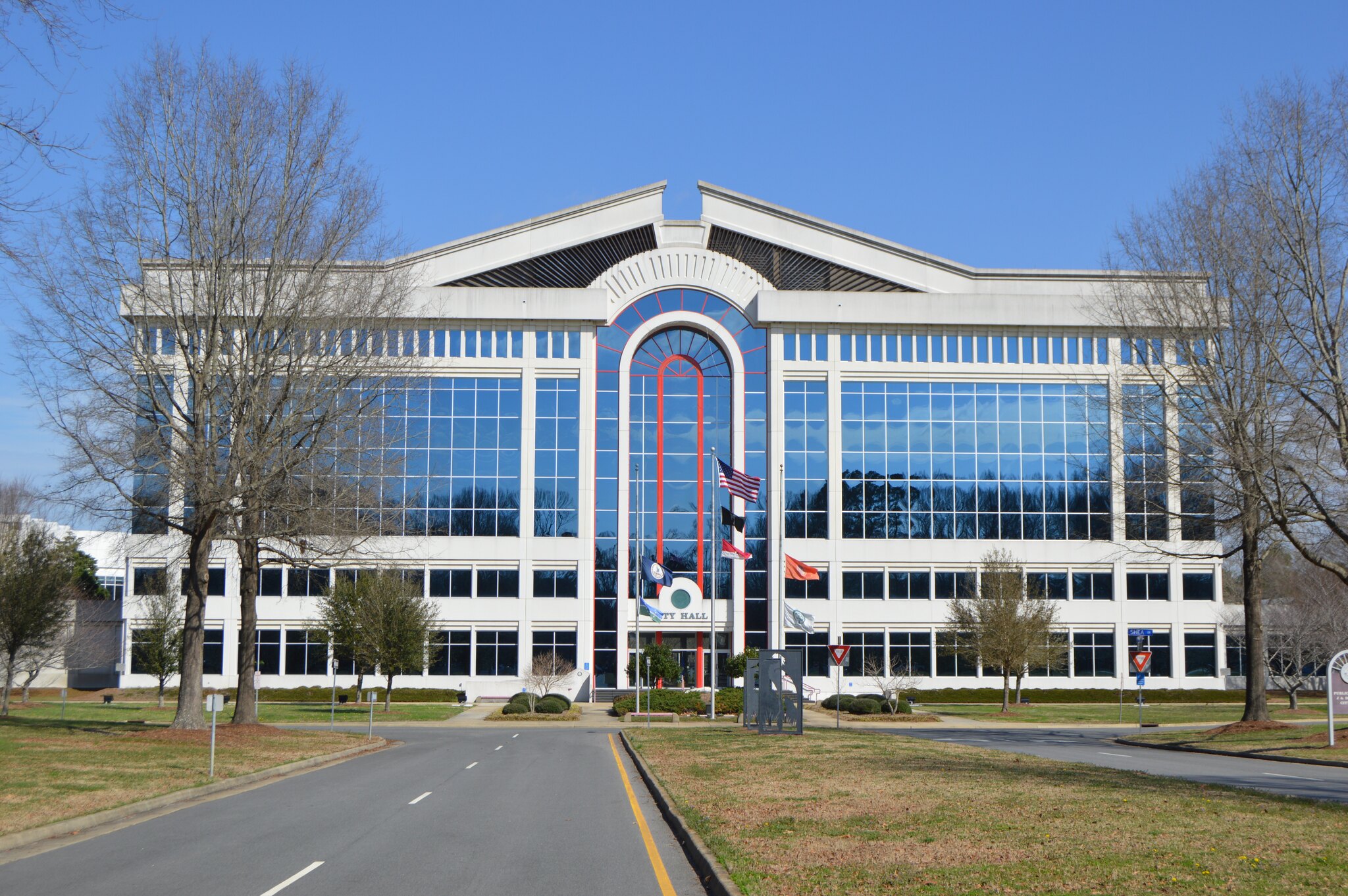
Chesapeake
Best when the chapter should open with a practical Tidewater entry and services base.
Open Chesapeake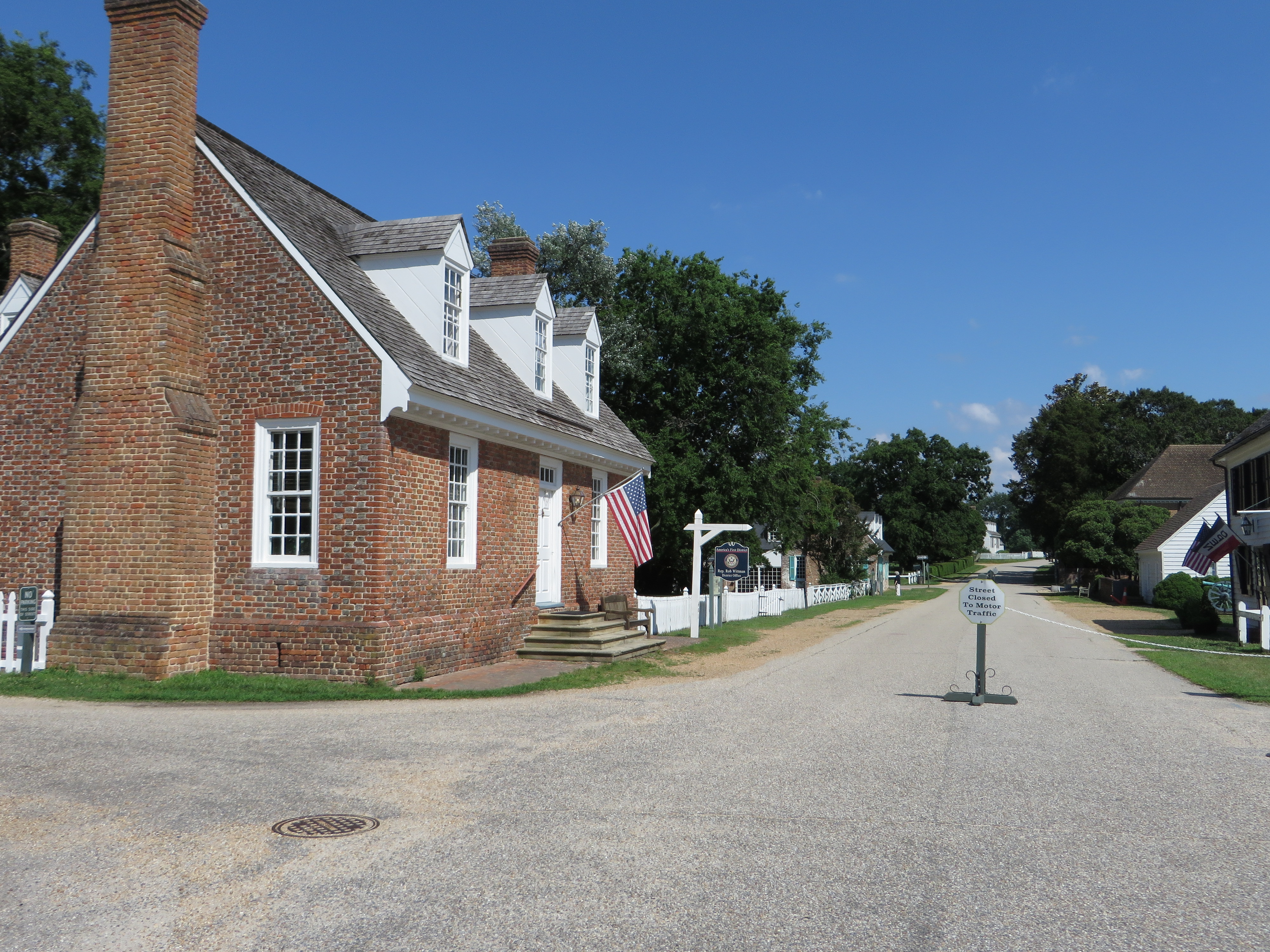
History anchor
Yorktown
Best for a historic stop that makes the state feel like more than a final mileage block.
Open Yorktown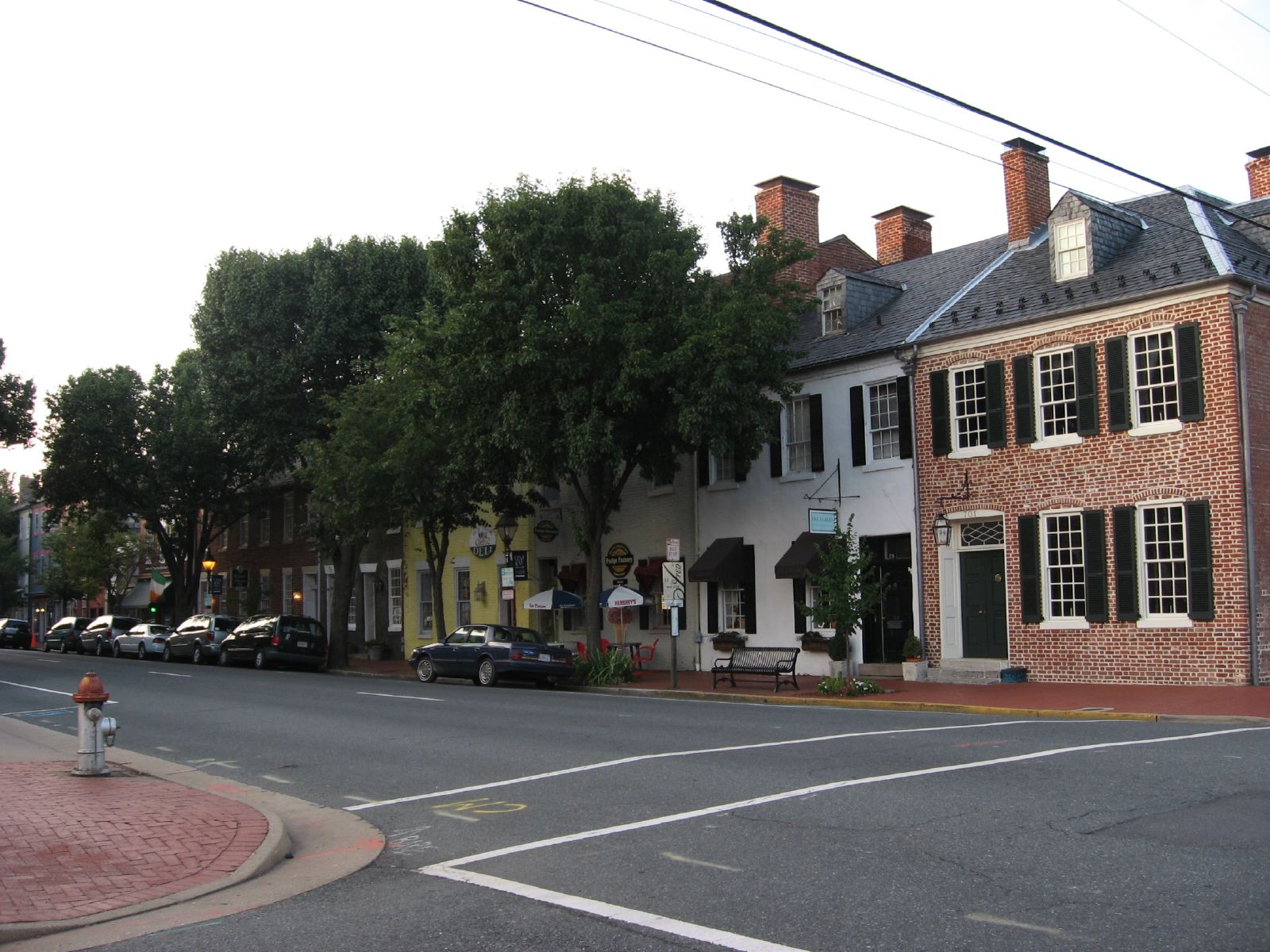
Inland reset
Fredericksburg
Best when Virginia needs one more city-scale pause before the finish.
Open Fredericksburg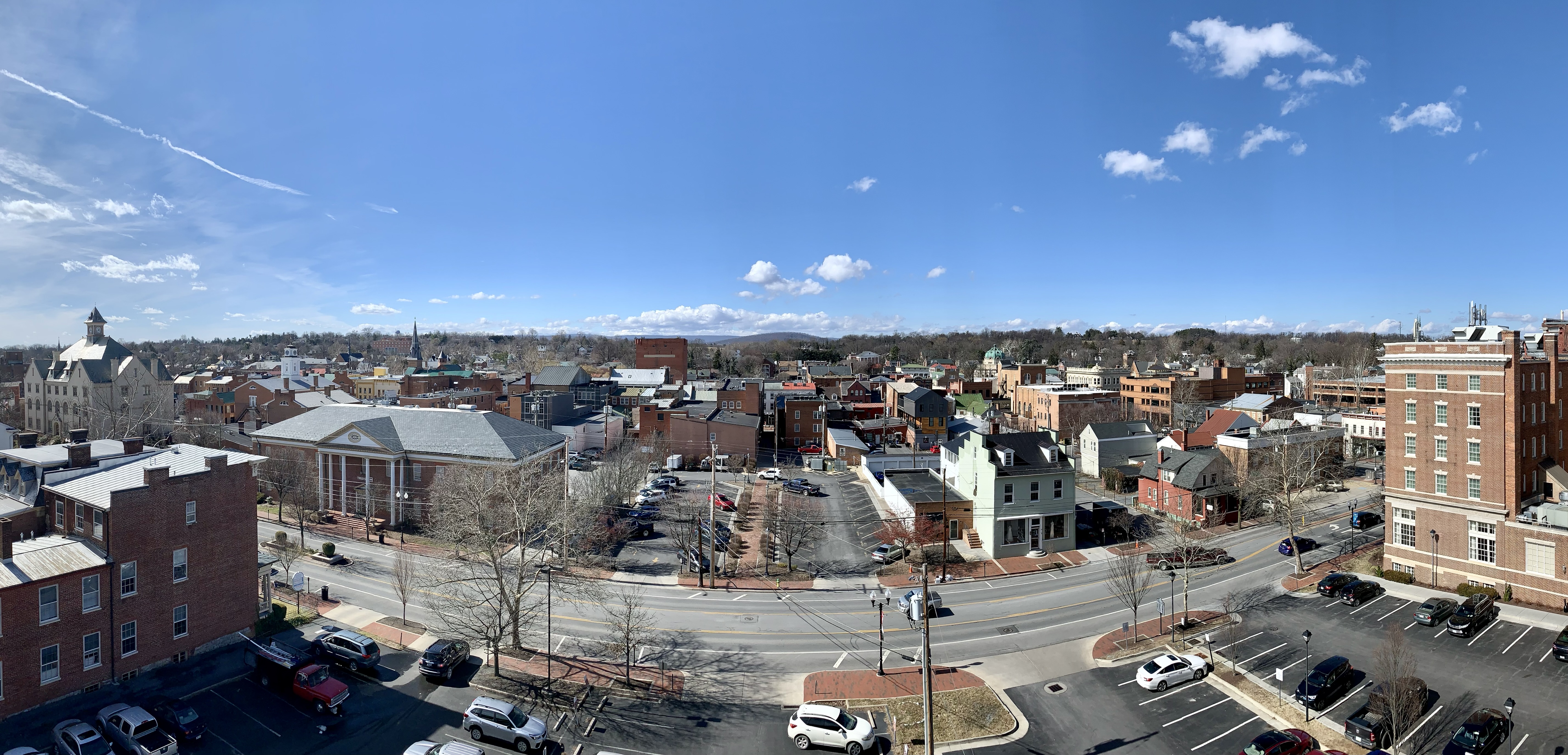
Northern finish
Winchester
Best when the Route 17 corridor should end with a clear inland finish and a calm endpoint.
Open WinchesterHow to drive this segment
Read this segment as a pacing problem, not a stop list. Northbound, the corridor should feel like a practical entry, a deliberate history pause, a middle stretch that does not jump too fast, a city-scale reset, and then a Piedmont-to-valley finish. Southbound, the same zones unwind in reverse so the return trip keeps its shape instead of collapsing into leftover mileage.
Gateway entry
Use Chesapeake when the Virginia chapter should open with a practical reset after Elizabeth City, the North Carolina approach, and the Great Dismal Swamp edge. It is the place to decide whether the day becomes a Tidewater city-edge move or a slower inland finish chapter.
Hampton Roads and York River
Portsmouth supplies the intermediate Tidewater corridor cue, Suffolk gives the corridor its Hampton Roads arterial anchor, Newport News makes the James River crossing a route event, while Yorktown is the deliberate history stop that slows the drive on purpose. That combination makes the middle feel chosen instead of accidental.
Middle Peninsula middle
Gloucester, Saluda, and Tappahannock keep the corridor from jumping directly from Yorktown to Fredericksburg. They supply the river-town and rural continuity that makes the state read as a full chapter, not a pair of anchors with empty space between them.
Fredericksburg reset
Use Fredericksburg when the road needs a city-scale pause before the inland stretch turns more Piedmont than Tidewater. It is the place where the long Virginia chapter changes tone and gets ready for Warrenton and the rural final approach.
Piedmont transition
Warrenton marks the move out of the historic river corridor, while Marshall, Delaplane, and Paris provide the scenic and rural lead-in to Winchester. This is the final setup before the route reaches its northern terminus.
Southbound reverse
Winchester opens the southbound chapter, then the Piedmont transition runs back into Fredericksburg, the Middle Peninsula, Yorktown, and the Chesapeake gateway before the road returns to North Carolina. That reverse order keeps the finish legible even when the trip is heading the other way.
Drive rhythm and stop logic
Virginia closes Route 17 by changing character several times. The useful pattern is gateway, crossing, historic middle, city reset, and Piedmont-to-valley finish; the supporting towns keep those transitions understandable without competing with the published anchor layer.
Best fit
Use this segment when the final state should feel like a complete chapter rather than a long push to Winchester. Chesapeake and Yorktown handle the Tidewater side, Fredericksburg resets the inland half, and Winchester gives the corridor a real finish.
Practical layer
The connective places matter most as pacing cues. Portsmouth keeps the Chesapeake-to-Suffolk Tidewater transition visible, Suffolk sets up the James River approach, Newport News marks the crossing, Gloucester through Tappahannock keeps the Middle Peninsula legible, and Warrenton through Paris explains the final Piedmont and Blue Ridge approach.
Anchor and support nodes that explain the Virginia finish
These nodes explain why the Virginia finish changes character from Hampton Roads arterial to bridge crossing, Middle Peninsula, Rappahannock, Piedmont, and Blue Ridge. Published anchors link to their dedicated guides; smaller places remain connective route cues.

Tidewater corridor cue
Portsmouth
Portsmouth keeps the Route 17 transition between Chesapeake and Suffolk visible through the larger Tidewater road network.

Hampton Roads anchor
Suffolk
Use Suffolk as the city-scale arterial reset before the Isle of Wight and James River approach.
Crossing chapter
Newport News
The Route 17 James River Bridge is the key route event; use Newport News as crossing context before Yorktown.
Courthouse middle
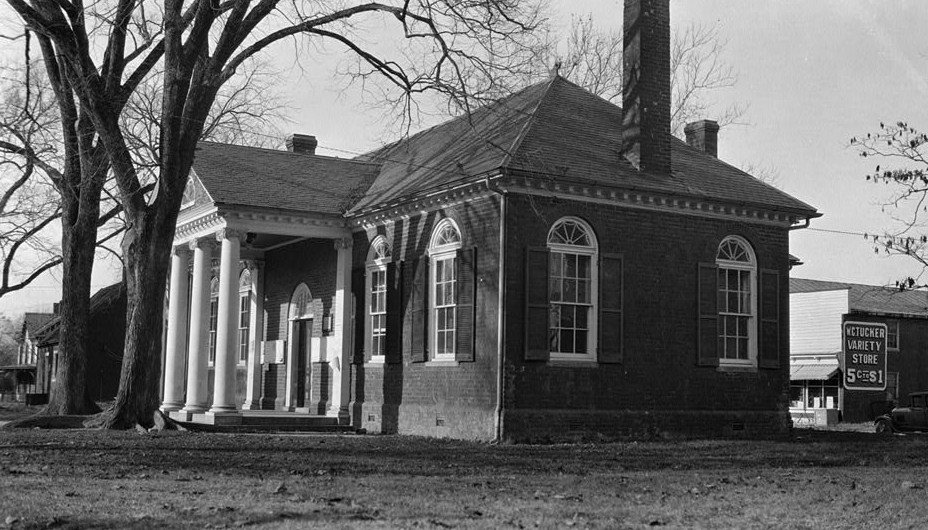
Gloucester
Gloucester Courthouse supplies history, visitor orientation, and a recognizable center on the Middle Peninsula.
Short civic pause
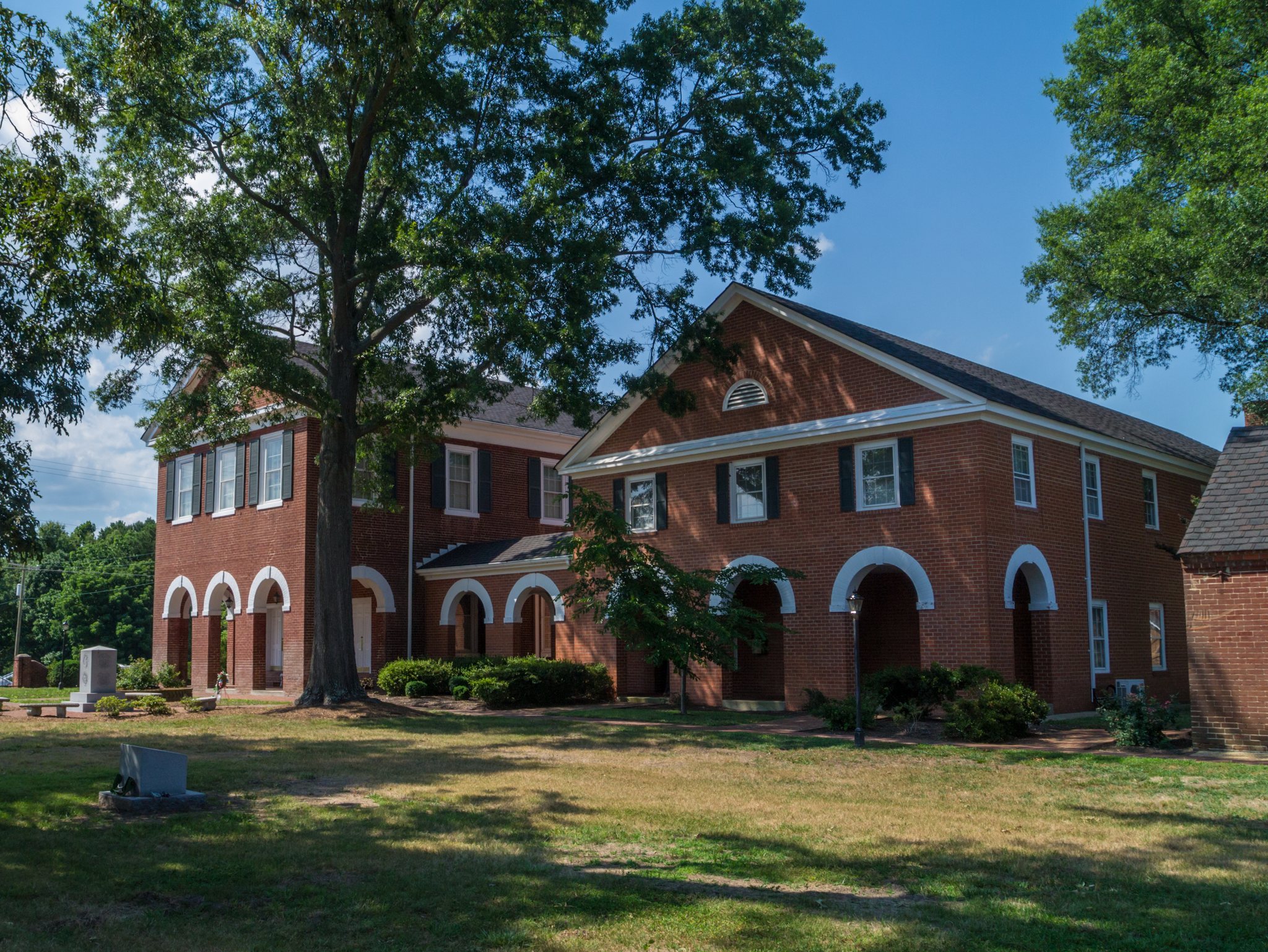
Saluda
The Middlesex County seat is a small but useful waypoint between Gloucester and the Rappahannock River.
River-town anchor
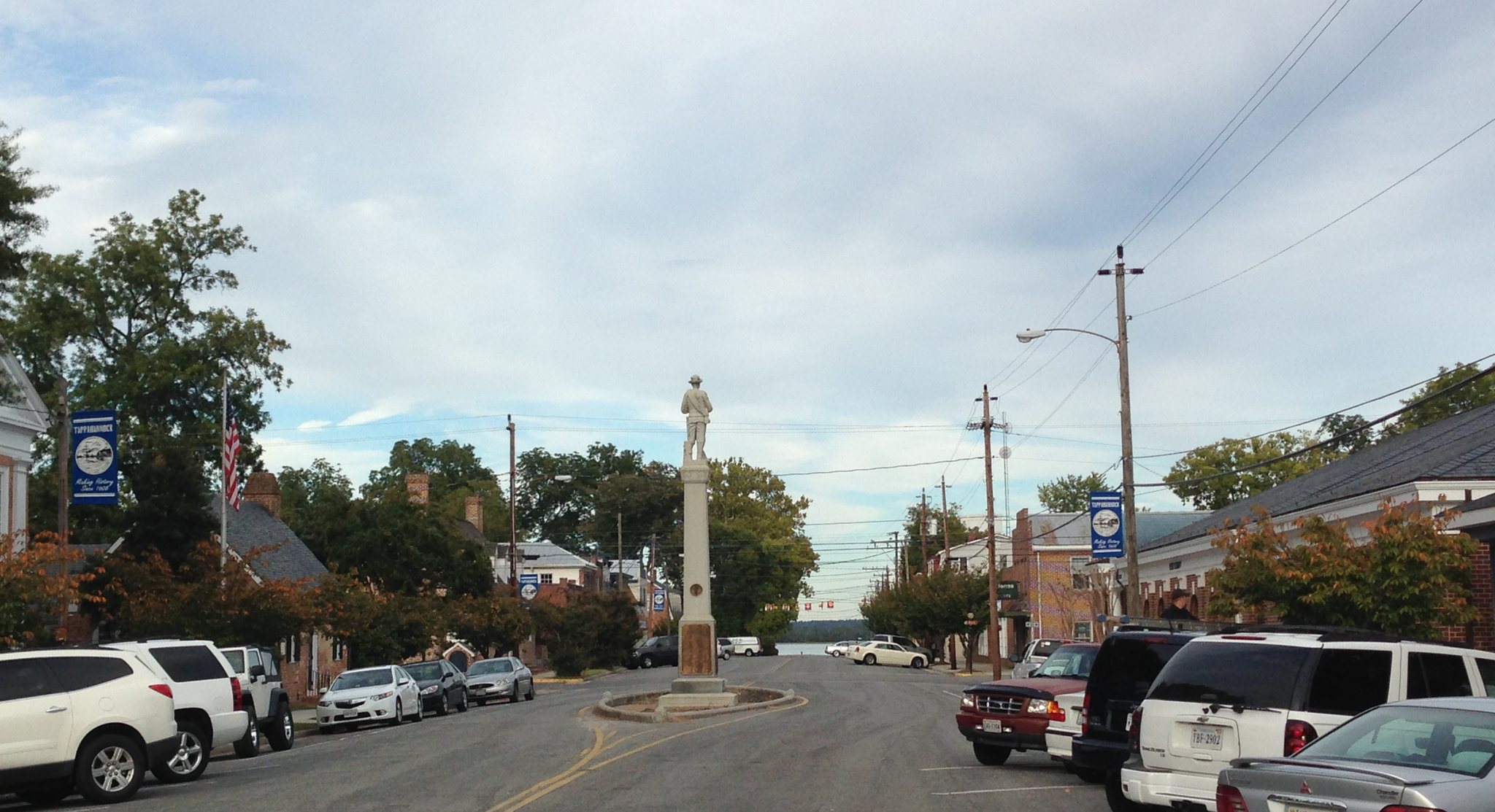
Tappahannock
Historic riverfront identity and the U.S. 17/360 crossroads make this the real pause in the Virginia middle.
Old Town reset
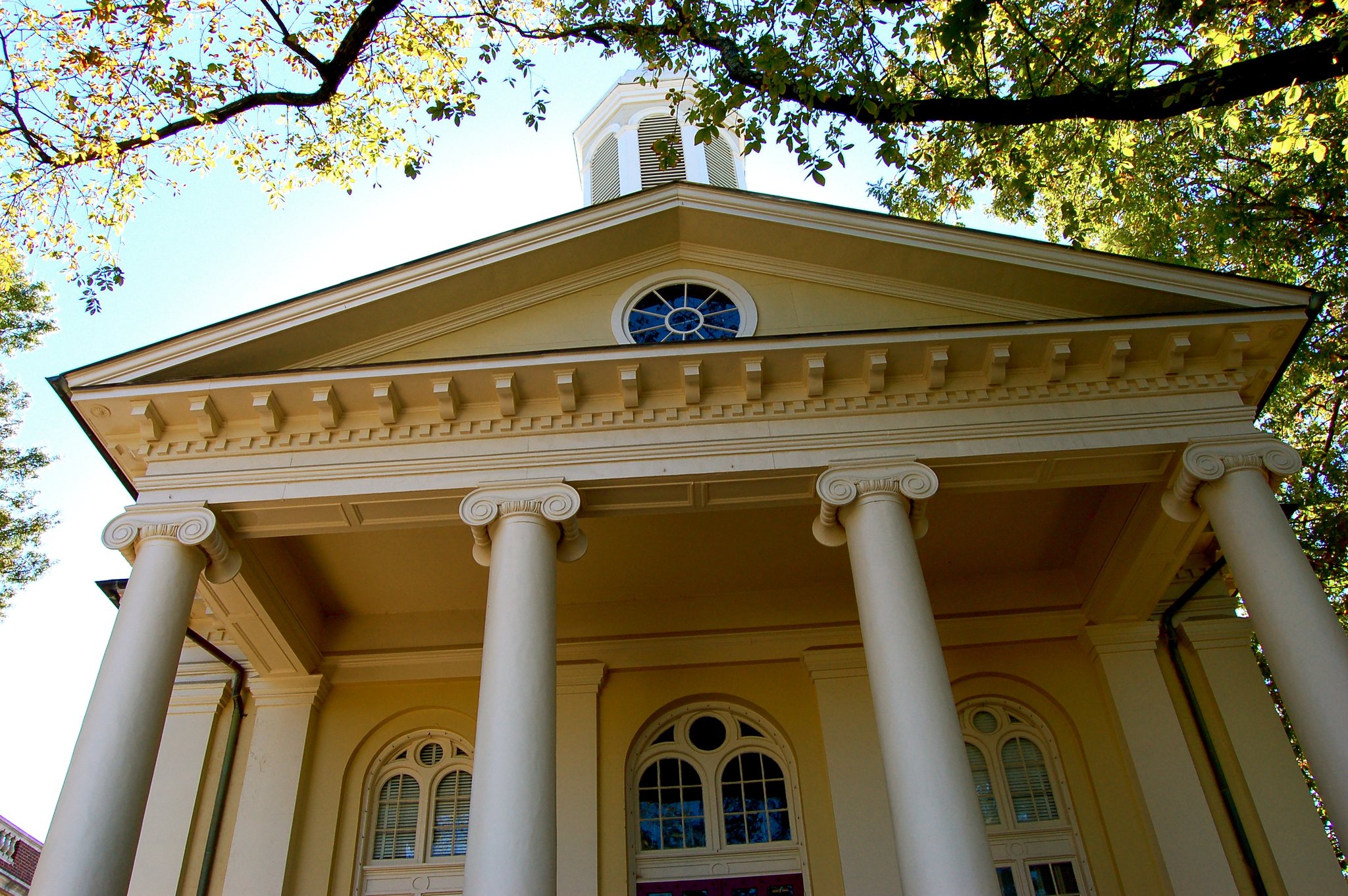
Warrenton
The county seat and Old Town mark the turn from Fredericksburg’s city scale into northern Piedmont.
Junction cue
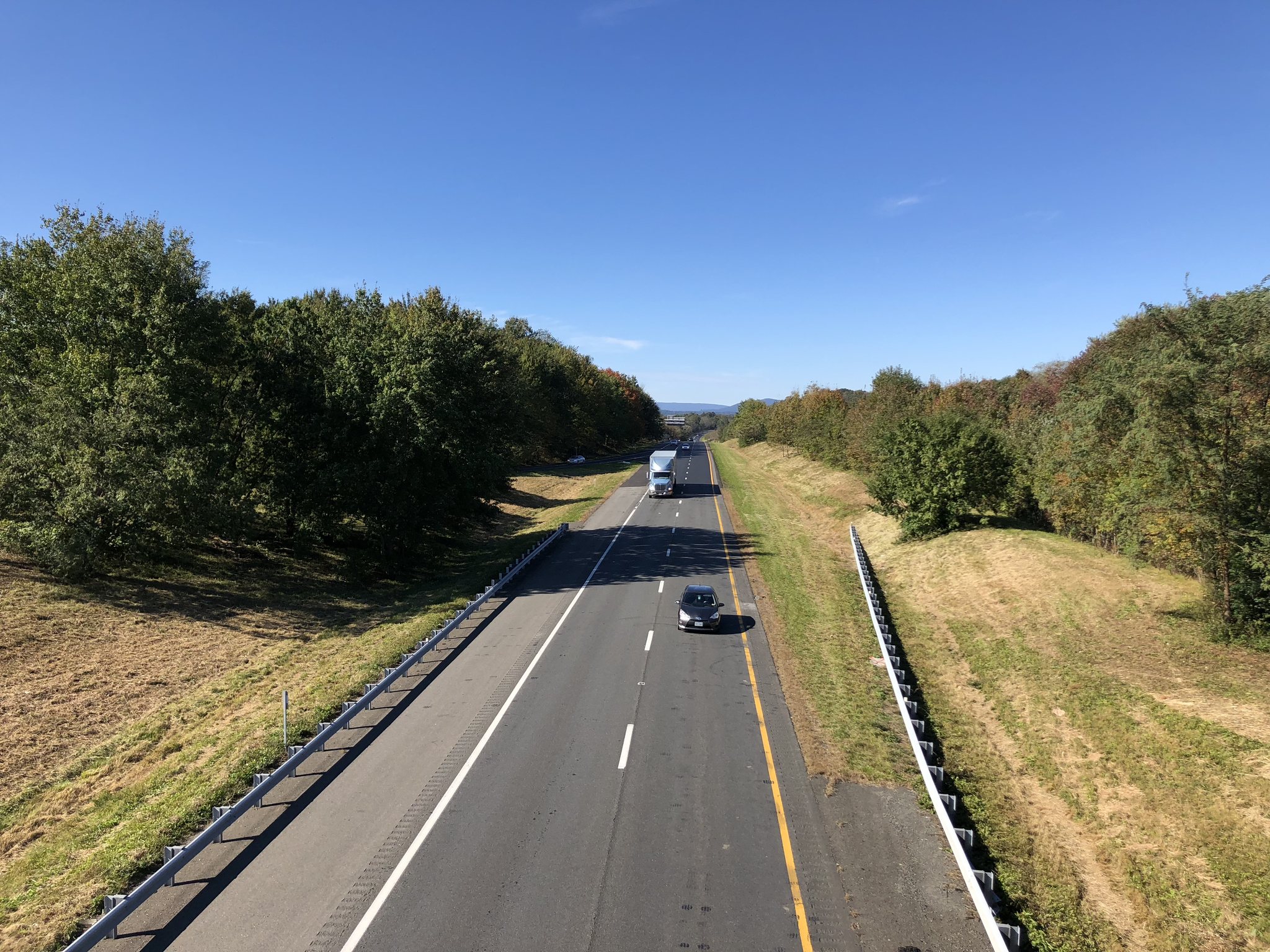
Marshall
U.S. 17’s I-66 interchange is the practical landmark; the village and farms keep the chapter rural.
Rural Route 17
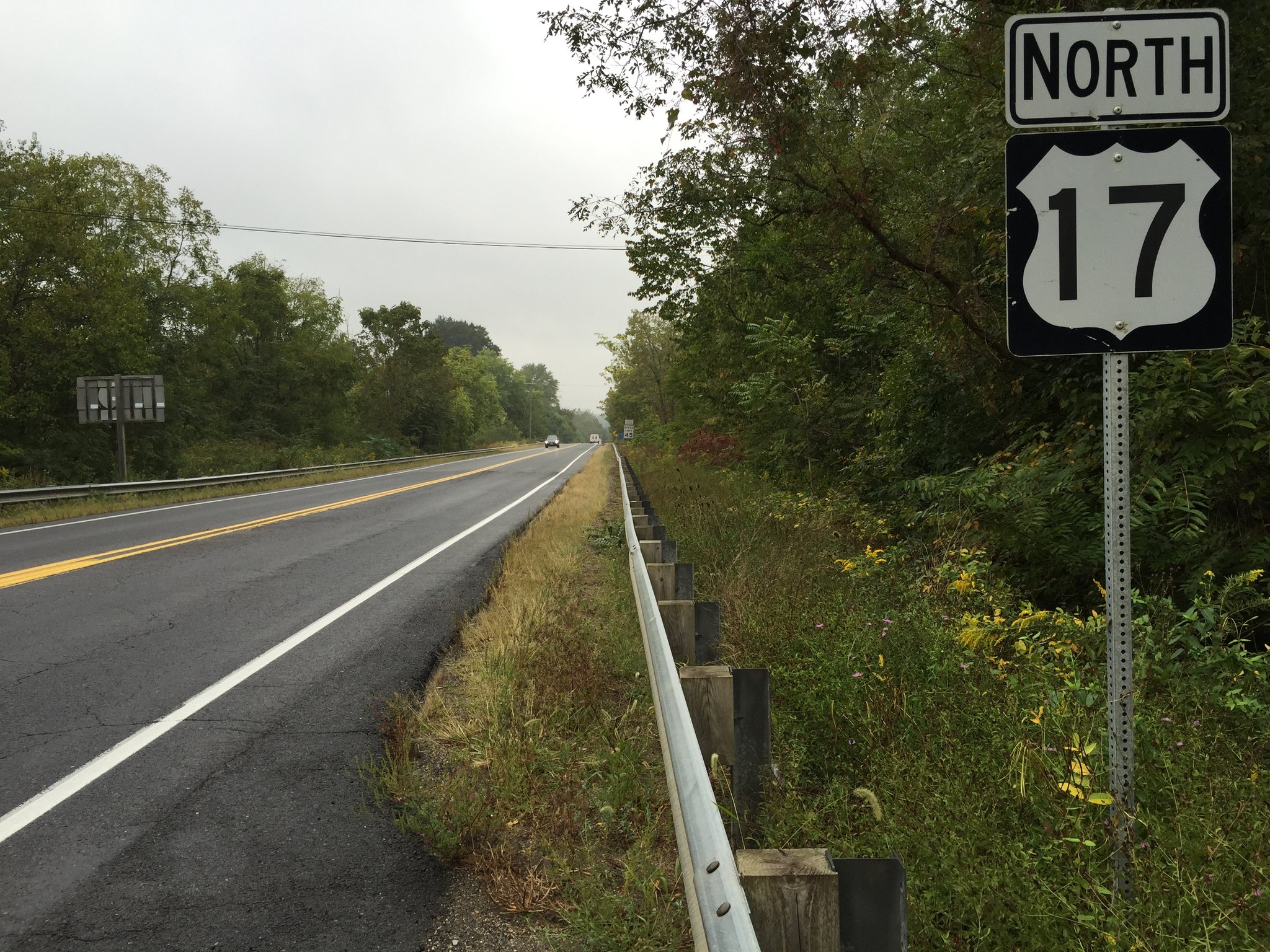
Delaplane
Use the actual road, railroad-town context, and rolling wine country to set up the Blue Ridge approach.
Ashby Gap
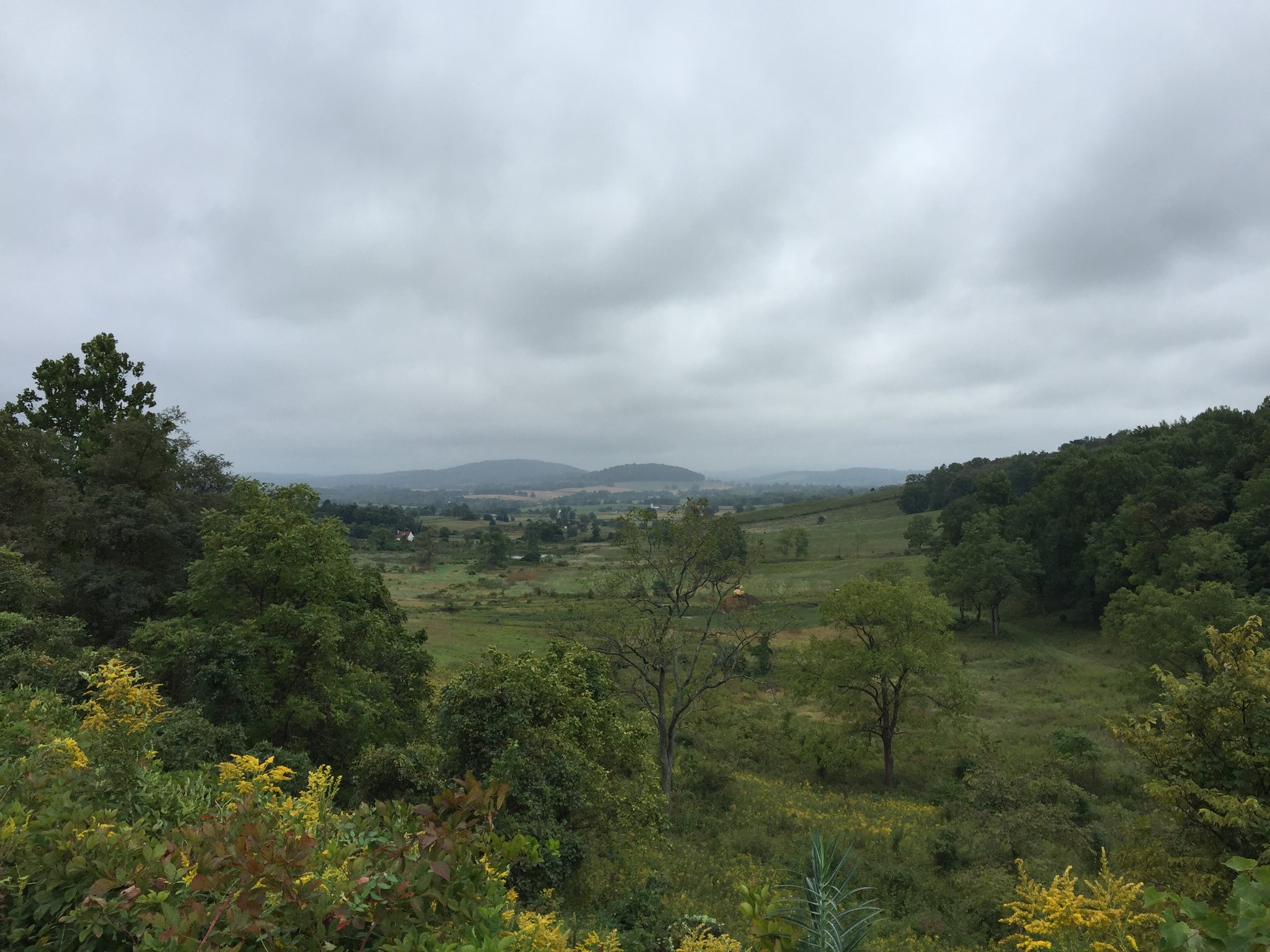
Paris
The tiny Route 17/50 crossroads is the final scenic cue before Winchester closes the corridor.
Where to pause, reset, or go deeper
Choose Chesapeake for the gateway reset, Portsmouth for the intermediate Tidewater corridor cue, Suffolk for the Hampton Roads arterial reset, Newport News for the James River crossing, Yorktown for the history pause, Tappahannock for the Rappahannock middle, Fredericksburg and Warrenton for the inland resets, and Winchester for the finish. Gloucester, Saluda, Marshall, Delaplane, and Paris preserve continuity across the Middle Peninsula, Rappahannock, and Piedmont sections when you want the whole corridor to keep its shape.
Tidewater start
Chesapeake
Use Chesapeake when the chapter begins from the south and needs a practical entry point.
Open Chesapeake
History stop
Yorktown
Use Yorktown when the day should slow down enough to feel historic instead of merely transitional.
Open Yorktown
City reset
Fredericksburg
Use Fredericksburg when Virginia needs one more grounded pause before the final finish.
Open Fredericksburg
Northern finish
Winchester
Use Winchester as the place where the Route 17 story should resolve and leave the corridor with a calm endpoint.
Open WinchesterRelated trip and state layers
Use these pages to connect the Virginia finish to the North Carolina approach and the full Route 17 corridor. The Virginia segment carries the detailed drive order, while the state and route pages provide the wider frame.
Gateway trip
Elizabeth City to Yorktown
Use the first Virginia trip when you want the gateway and Hampton Roads crossing separated from the longer inland finish.
Finish trip
Yorktown to Winchester
Use the second Virginia trip when the Middle Peninsula, Fredericksburg reset, and Piedmont-to-valley finish need their own planning shape.
Southbound context
North Carolina
Use the North Carolina page when you want the southern handoff into Virginia in view.
State context
Virginia
Use the state page when the final inland chapter needs its broader frame.
Southbound segment
North Carolina Cape Fear, Inner Banks, and Albemarle approach
Use the segment page when you want the river-and-sound chapter that leads into Virginia.
Whole route
Route overview
Use the overview when Virginia needs to be read inside the full Florida-to-Virginia spine.
Carry this driving chapter
Print the Virginia Tidewater-Historic Corridor-Shenandoah chapter planner
The 4-page sheet turns this live chapter into a paper sequence for entry decisions, driving rhythm, anchors, backup stops, reset choices, current checks, and the next-chapter handoff.