Trip guide
Elizabeth City to Yorktown Road Trip on Route 17
Use the Virginia gateway as a change of chapter, not just a state-line transfer.
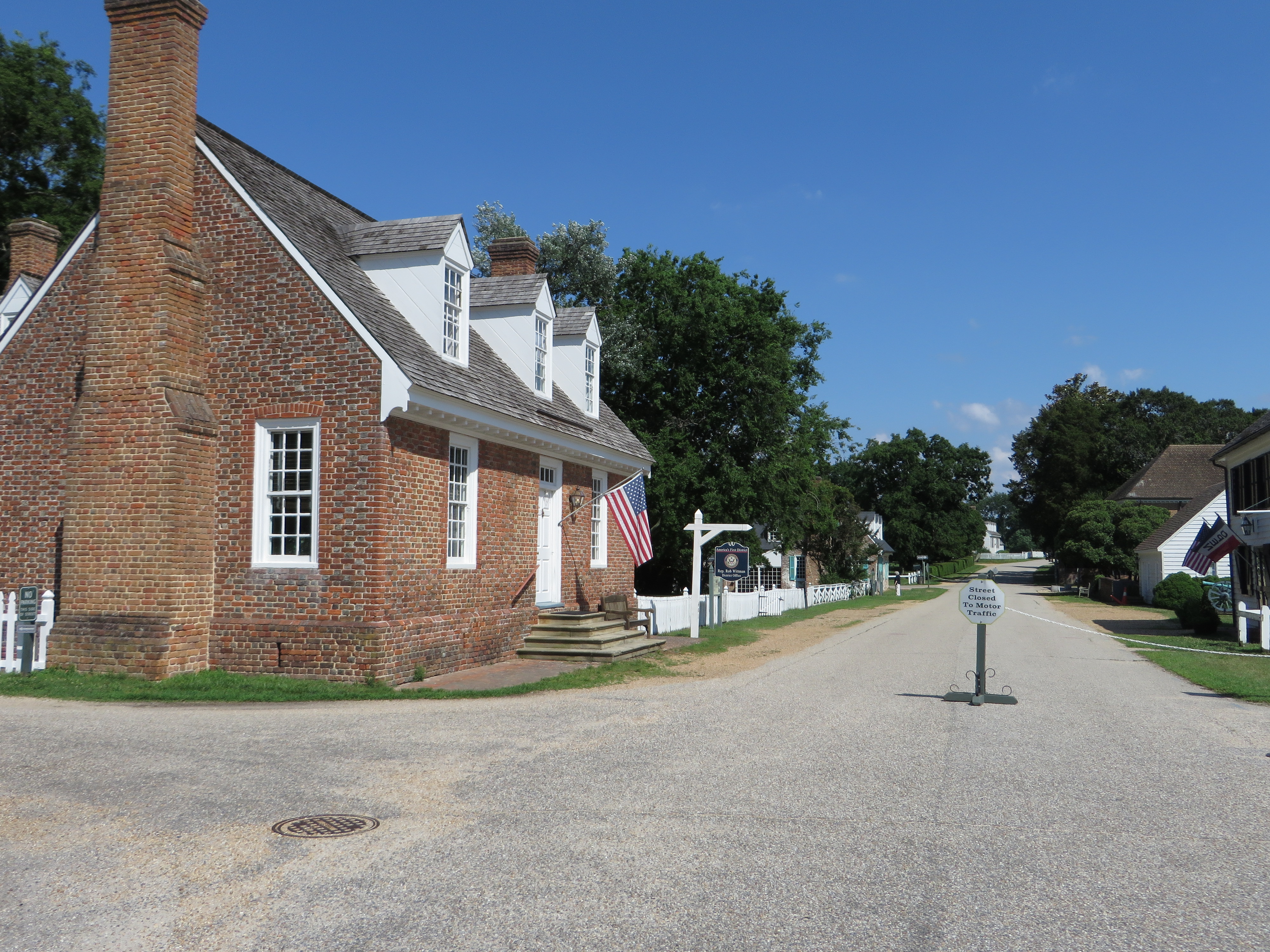
Elizabeth City to Yorktown carries Route 17 from the Albemarle-side finish in Elizabeth City into the practical Virginia gateway at Chesapeake, through the Tidewater corridor cue at Portsmouth and the Hampton Roads anchor at Suffolk and the James River crossing at Newport News, and into the deliberate history stop at Yorktown.
Use this trip when you want the North Carolina-to-Virginia handoff to stay readable. Elizabeth City closes one chapter, Chesapeake resets the road, the bridge crossing marks the change in scale, and Yorktown gives the day a destination instead of another highway exit.
Trip shape
Keep the sequence simple: finish North Carolina cleanly, use Chesapeake as the Virginia gateway, treat the Hampton Roads crossing as a route event, and protect Yorktown as the stop that gives the day meaning.
Start
Elizabeth City
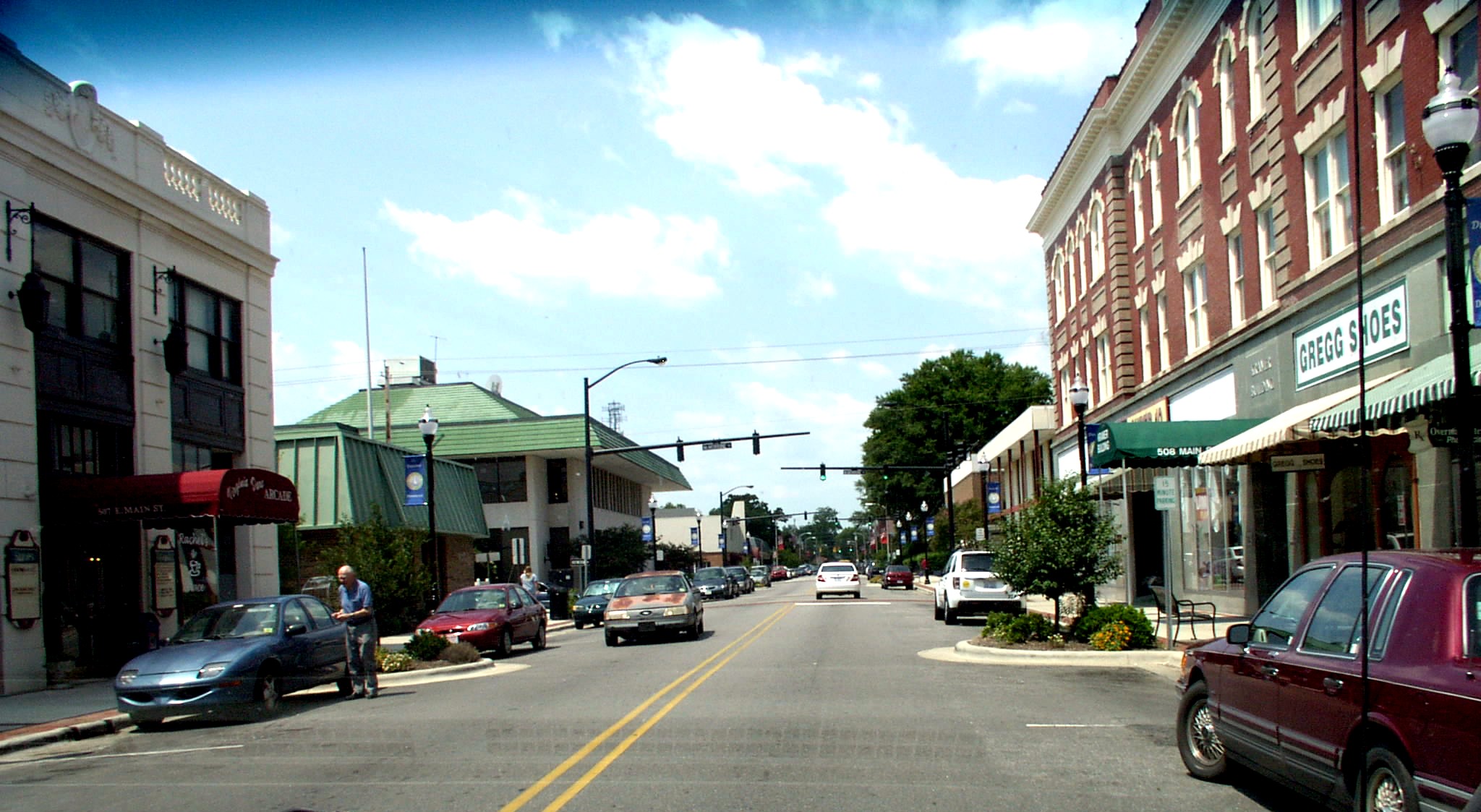
Start with the Albemarle gateway as the clean close to North Carolina and the setup for the Virginia transition.
- Best start: leave with food, fuel, and the Virginia crossing plan already checked.
Middle
Chesapeake and the James River crossing
Use Chesapeake for services and state-entry orientation, Portsmouth for the intermediate Tidewater route cue, Suffolk for the Hampton Roads arterial reset, then treat the Newport News / James River Bridge leg as a route event whose traffic and bridge conditions control the timing.
- Best middle: keep Chesapeake practical and save the destination time for Yorktown.
Finish
Yorktown
Finish with the chosen history stop so the first Virginia trip ends with time to walk, orient, and let the York River setting register.
- Best finish: protect Yorktown time or use it as the overnight before the Middle Peninsula continuation.
Choose your trip shape
Direct but still Route 17
Use Elizabeth City as the launch, Chesapeake as the one practical reset, keep the crossing leg moving, and give Yorktown the protected stop.
Gateway-first day
Slow down in Chesapeake when services, weather, traffic, or the state transition need more attention before the Hampton Roads crossing.
History-first finish
Keep Newport News focused on the crossing chapter and save the discretionary history time for Yorktown. The trip is stronger when one history stop gets real time.
Best default
Do not stack extra Tidewater stops just because they are nearby. Protect the gateway reset and Yorktown finish, then let the live conditions decide how much margin remains.
Recommended stop sequence
Best default
Elizabeth City → Chesapeake reset → Portsmouth cue → Suffolk reset → James River crossing → Yorktown. This keeps every stop in a different role and gives Yorktown enough room to feel like the destination.
When the crossing is slow
Do not compensate by squeezing Yorktown. Keep Chesapeake practical, cut discretionary Tidewater pauses, and carry unused ideas into the next day. The Yorktown to Winchester continuation begins with its own Middle Peninsula rhythm.
Where to pause or reset
This is a short-looking trip with several very different driving jobs. The value comes from recognizing the transition: Inner Banks finish, Virginia services and orientation, a major river crossing, then a history destination.
Close North Carolina first
Elizabeth City should feel like the end of the Wilmington-to-Albemarle chapter, not a hurried fuel stop. If you stayed overnight here, leave with food, fuel, and the Virginia route already checked so the state handoff stays simple.
Use Chesapeake for practical work
Chesapeake is the gateway reset: services, timing, weather, traffic, and the decision about whether the crossing leg is ready to go. Portsmouth then provides the intermediate Route 17 cue before Suffolk and the bridge approach. It does not need to compete with Yorktown as the day's destination.
Treat the bridge as part of the route
The Newport News / James River Bridge section is not background mileage. It is the point where the corridor changes scale, so current bridge, incident, and traffic conditions should control the timing rather than a fixed paper estimate.
Arrive in Yorktown with time left
Yorktown is the reward for keeping the gateway simple. Save the discretionary time for the York River setting and the history stop, or use Yorktown as the overnight before the Middle Peninsula continuation.
Route phases in drive order
1 · Albemarle to Virginia gateway
Elizabeth City is the closing North Carolina cue. The next move is not another Inner Banks stop; it is the transition into Chesapeake and the larger Tidewater road environment. Keep the first miles uncomplicated: Camden supplies the county-history cue and South Mills supplies the Dismal Swamp canal, park, and welcome-center gateway before Chesapeake. That lets the border crossing feel like a chapter change rather than leftover North Carolina driving.
2 · Chesapeake reset
Use Chesapeake to reset fuel, food, timing, and route awareness before continuing through Portsmouth toward Suffolk. It is the practical gateway, not the history climax. If weather or traffic has changed, this is the right place to revise the plan before the bridge-and-Hampton-Roads portion.
3 · Hampton Roads crossing
After Portsmouth and Suffolk, the Newport News / James River Bridge layer is the route event that changes the feel of the drive. Keep bridge and traffic checks current rather than treating a paper plan as live road status. Newport News is a canonical anchor here because the crossing itself is a route event; it still does not need to become a long discretionary stop unless the schedule specifically calls for one.
4 · Yorktown arrival
Yorktown is where the trip should slow down on purpose. Give the York River and history layer protected time, then decide whether to stay or continue later. The next Virginia chapter moves into Gloucester, the Middle Peninsula, and the inland finish.
Planning and utility posture
What to verify before driving
- Current weather, construction, incidents, bridge conditions, and closures on the North Carolina-to-Virginia approach.
- Current traffic and routing conditions around Chesapeake, Hampton Roads, and the James River crossing.
- Operating hours, parking, access, and any reservations for the Yorktown stop you intend to make.
- Fuel, food, lodging, and overnight details if Yorktown is the handoff into the next Virginia trip.
If the day runs long
Protect the state handoff and Yorktown finish. Cut optional pauses before cutting the destination. If the crossing or gateway takes more time than expected, let Chesapeake remain the practical reset and arrive in Yorktown with enough margin for the stop to feel intentional.
Use this with the rest of the guide
Virginia frame
Virginia
Use the state guide to see how Chesapeake and Yorktown fit into the full five-zone finish.
Drive rhythm
Virginia Tidewater, historic corridor, and Shenandoah finish
Use the segment for the complete Chesapeake-to-Winchester sequence.
Continue north
Yorktown to Winchester
Continue through the Middle Peninsula, Fredericksburg reset, Piedmont approach, and northern terminus.
Previous trip
Wilmington to Elizabeth City
Use the North Carolina trip when you want the river-and-sound chapter that feeds this Virginia handoff.
Paper companion
Print the Elizabeth City to Yorktown trip companion
Use the 4-page companion for route phases, anchor roles, current-condition checks, backup choices, cut-first decisions, and a final worksheet.