Segment guide
North Carolina Cape Fear, Inner Banks, and Albemarle Approach on Route 17
Let the Cape Fear city finish open into a slower river-and-sound chapter.
The North Carolina Cape Fear, Inner Banks, and Albemarle approach is the Route 17 layer where Wilmington gives the corridor a proper city arrival, New Bern resets the pace, Edenton lowers the temperature, and Elizabeth City sets up the Virginia handoff.
Use it northbound when you are deciding how much of North Carolina should stay on the day, and southbound when you want the return trip to move back into the state without flattening the river-town sequence.
Segment at a glance
Read the North Carolina chapter as a sequence of anchors. Wilmington starts the city finish, New Bern gives the first reset, Edenton slows the middle, and Elizabeth City sets up the Virginia handoff.
Cape Fear anchor
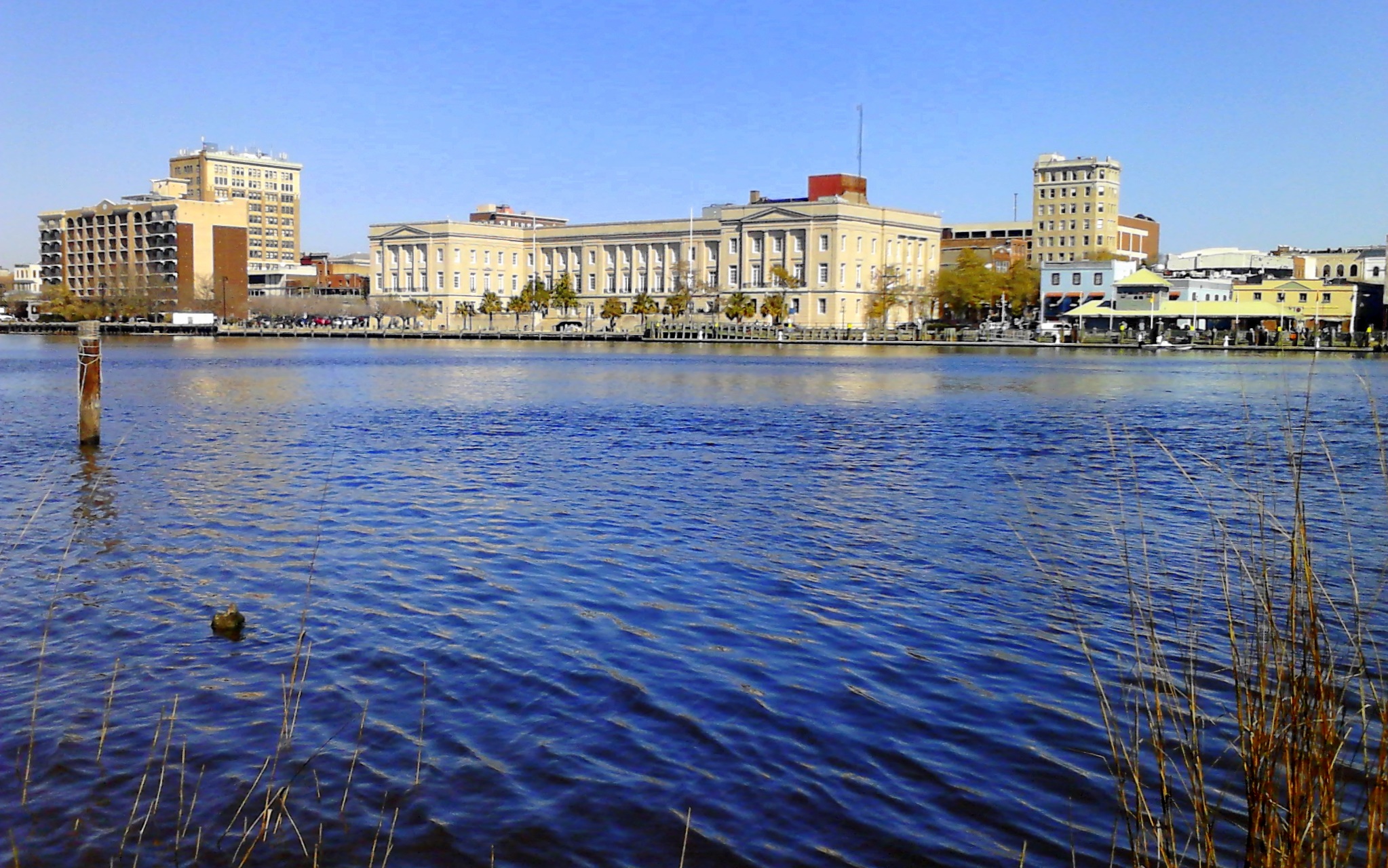
Wilmington
Best when the chapter should begin with a proper city finish and enough margin to orient.
Open Wilmington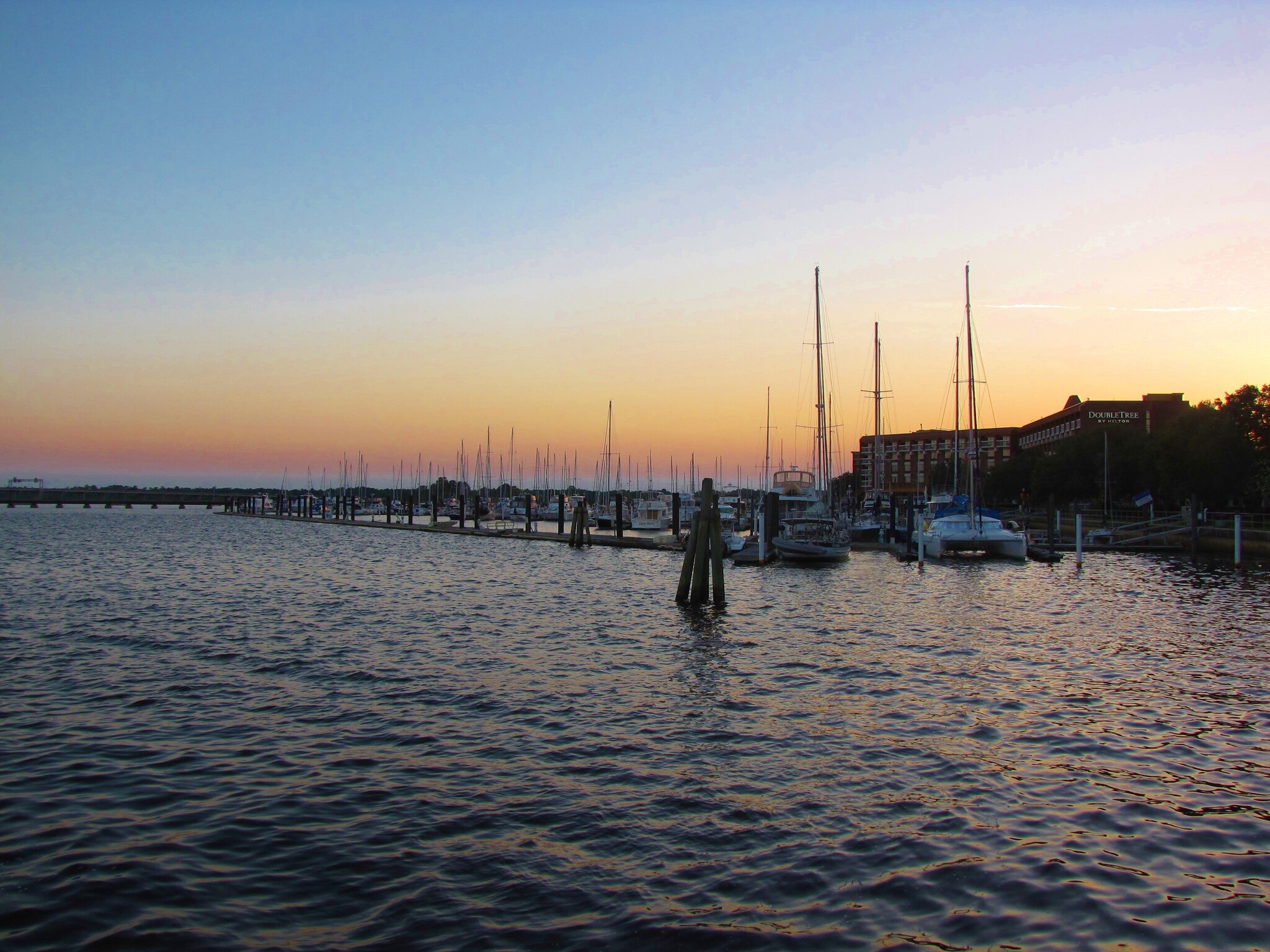
River reset
New Bern
Best for the first deliberate pause after Wilmington, when the chapter needs a clearer middle.
Open New Bern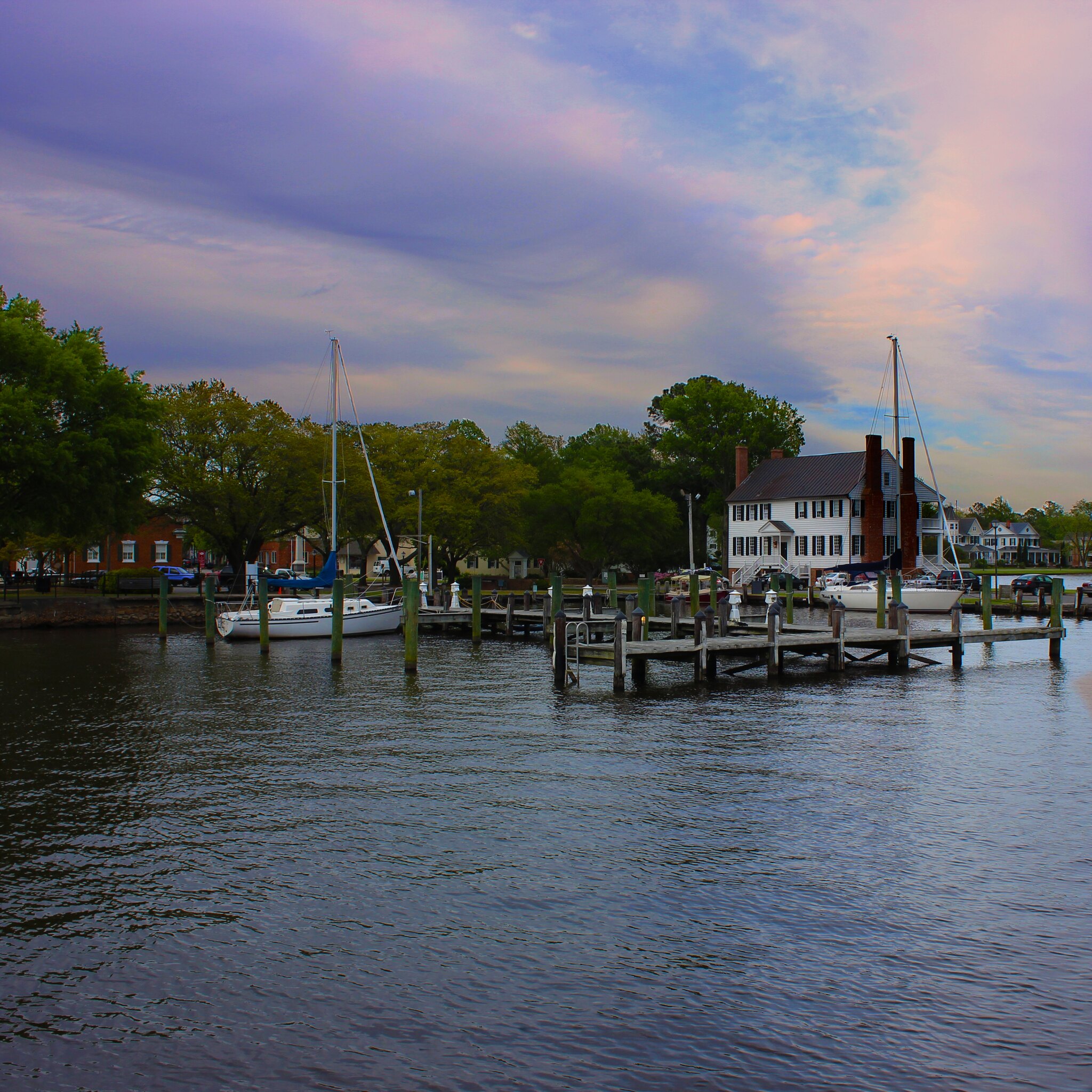
Historic pause
Edenton
Best when the route should slow into waterfront history and stay useful without getting busy.
Open Edenton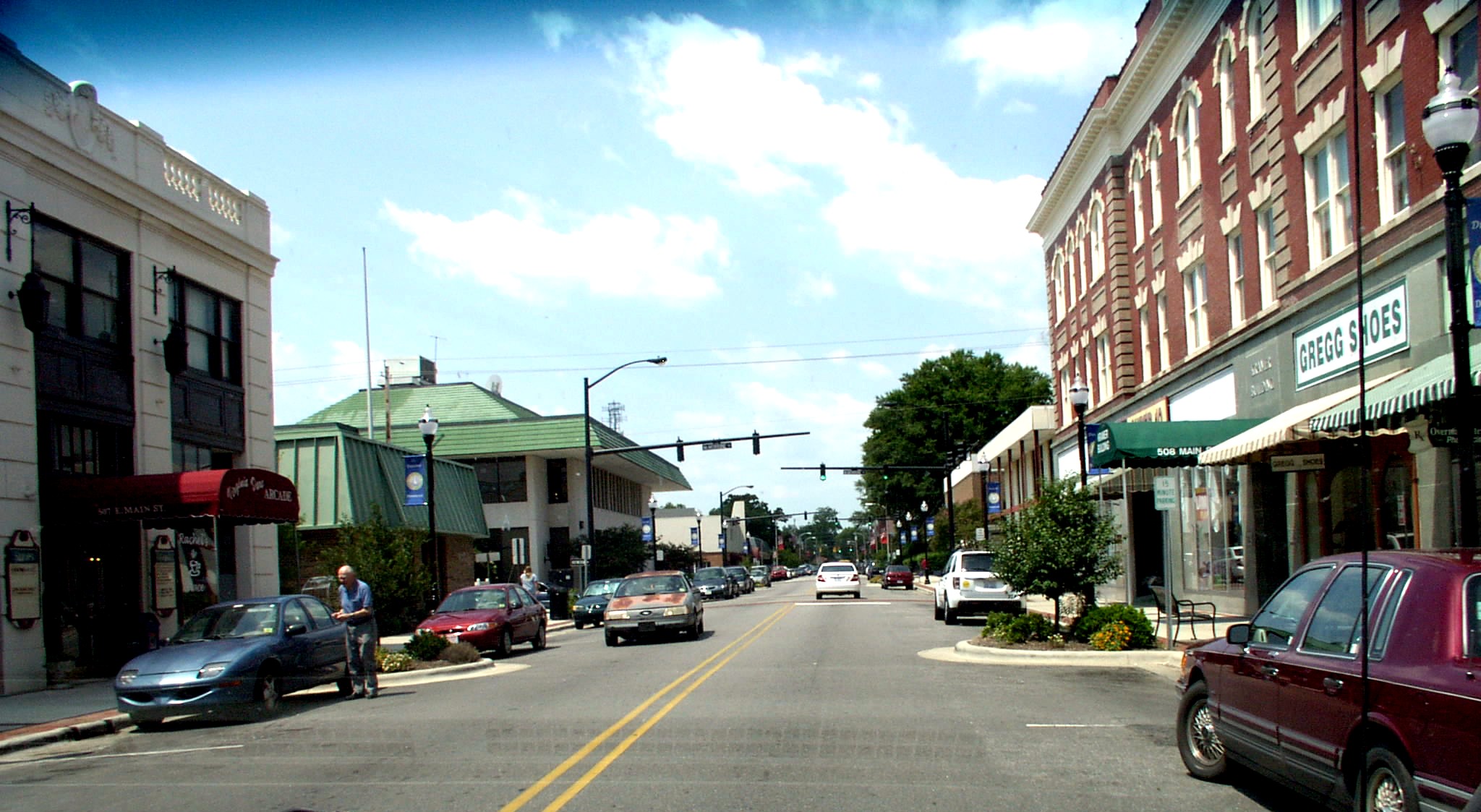
Northern handoff
Elizabeth City
Best when North Carolina is ready to hand the corridor to Virginia without losing the chapter's shape.
Open Elizabeth CityHow to drive this segment
Keep the chapter readable by giving the four anchors different jobs: Wilmington for city scale, New Bern for the first river reset, Edenton for the quieter historic middle, and Elizabeth City for the Virginia approach.
City arrival
Use Wilmington when North Carolina should start with a real city finish after the South Carolina handoff.
River reset
Use New Bern when the middle of the state needs one clear pause with room to breathe and enough shape to matter.
Historic pacing
Use Edenton when the day should slow down into waterfront history instead of only pushing mileage.
Virginia cue
Use Elizabeth City when the corridor is preparing to turn toward Virginia and the final North Carolina stop needs to stay legible.
Drive rhythm and stop logic
North Carolina works best when the city and river-town roles alternate instead of competing. Wilmington gives the chapter weight, the interior support nodes keep the route coherent, and the Albemarle end lowers the pace before Virginia.
Best fit
Use this segment when you want the state to feel like a sequence of river systems and historic towns rather than a single long run. Give Wilmington or Elizabeth City the larger time block and let New Bern or Edenton carry the deliberate middle pause.
Practical layer
The support nodes matter because the distances between the public anchors are not empty. Use Hampstead for the active bypass transition, Jacksonville and Washington for stronger service resets, then use Williamston, Windsor, Hertford, Camden, and South Mills selectively to preserve the route's shape without treating every guide as a destination-scale stop.
Support stops that explain the North Carolina middle
This segment is denser than its major anchors. Every canonical support node now has a focused guide, so use the pages selectively: Leland for the Wilmington-side gateway, Hampstead for the active bypass transition, then the Roanoke/Cashie/Albemarle and Dismal Swamp nodes for shorter resets farther north.
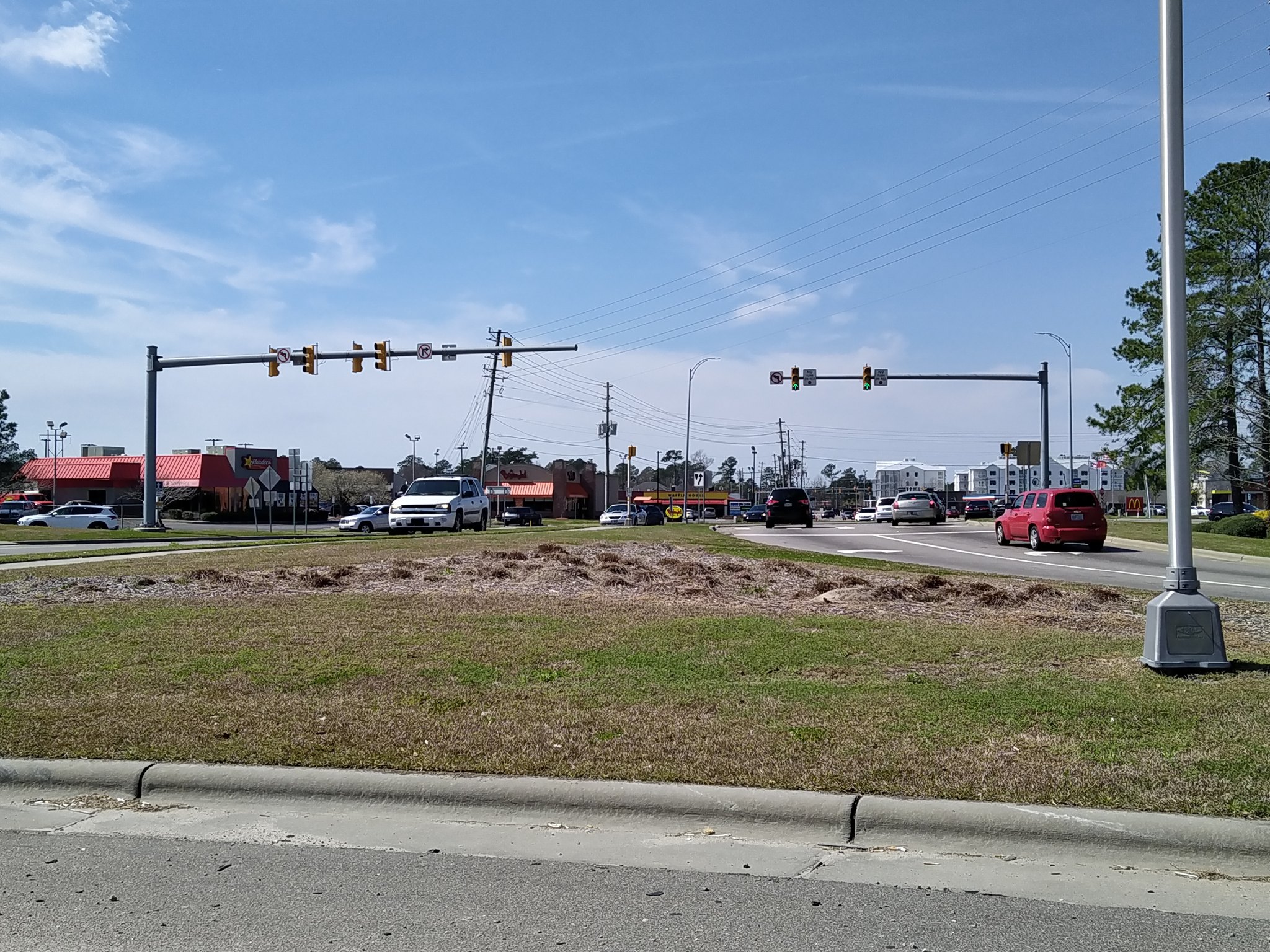

Bypass transition
Hampstead
Construction-sensitive corridor support between Wilmington and Jacksonville.
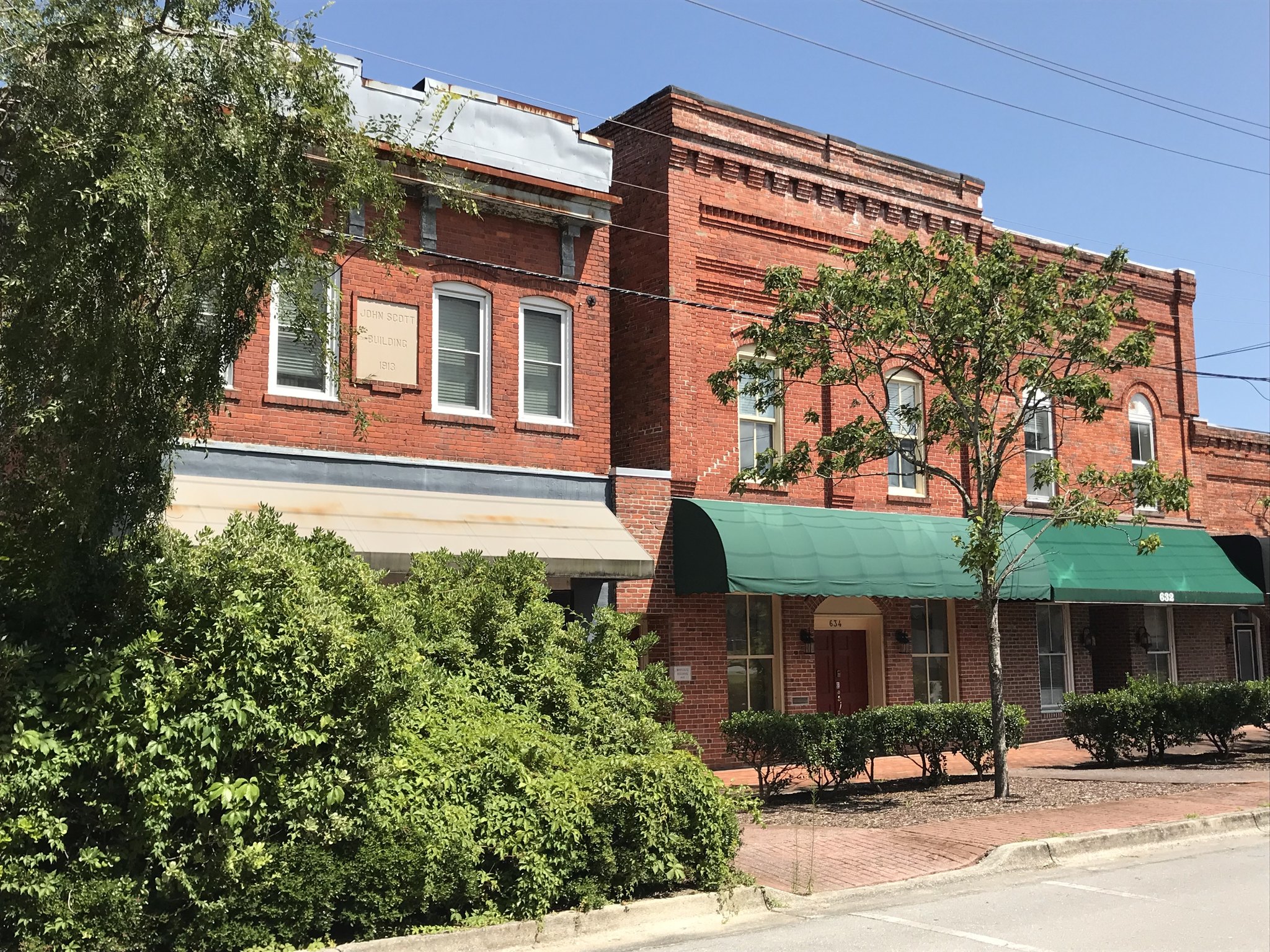
Full-service reset
Jacksonville
Onslow County commercial and military-region anchor between Wilmington and New Bern.
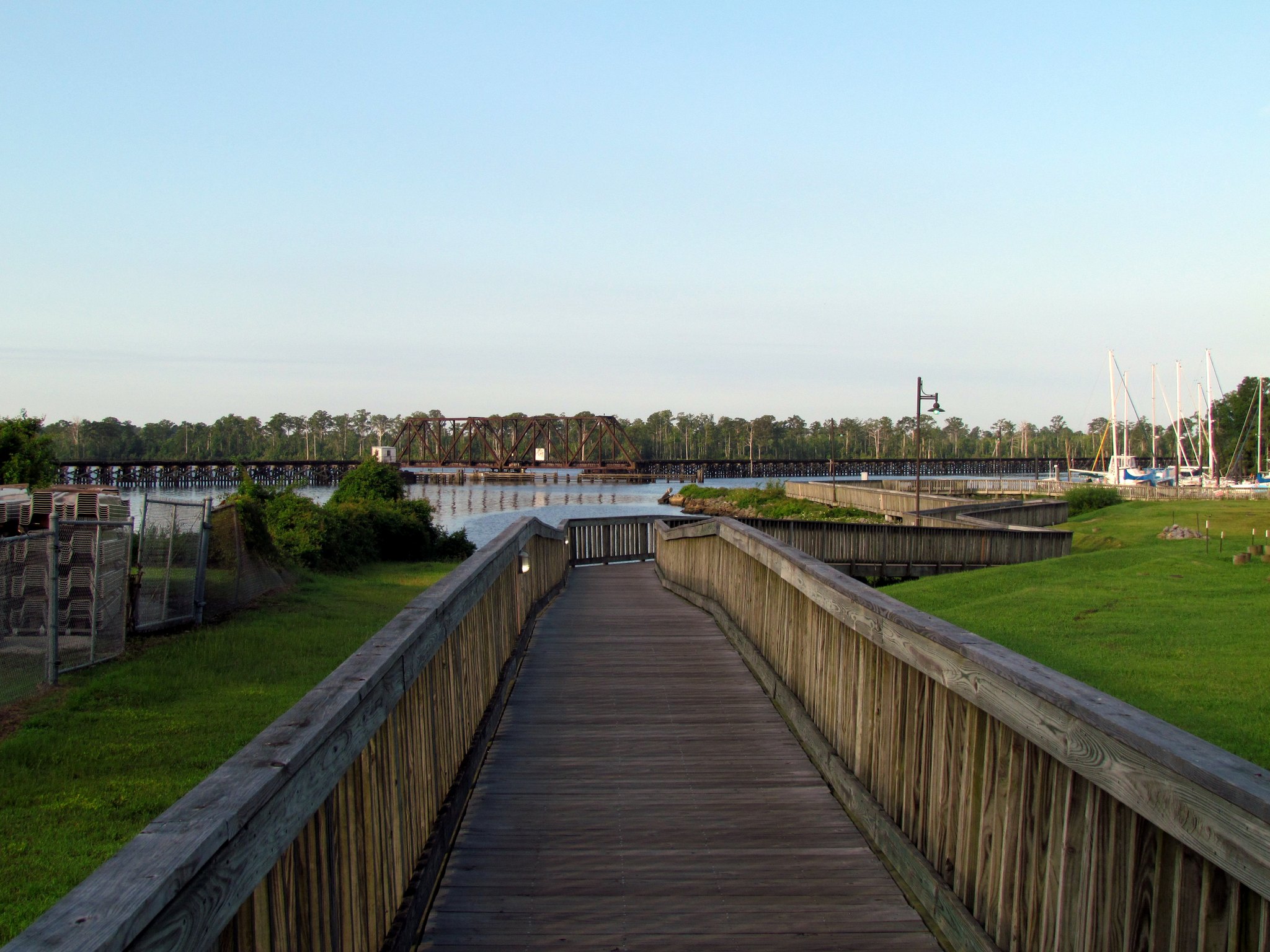
Pamlico pause
Washington
A walkable waterfront reset before the road turns toward Williamston and the Roanoke River.
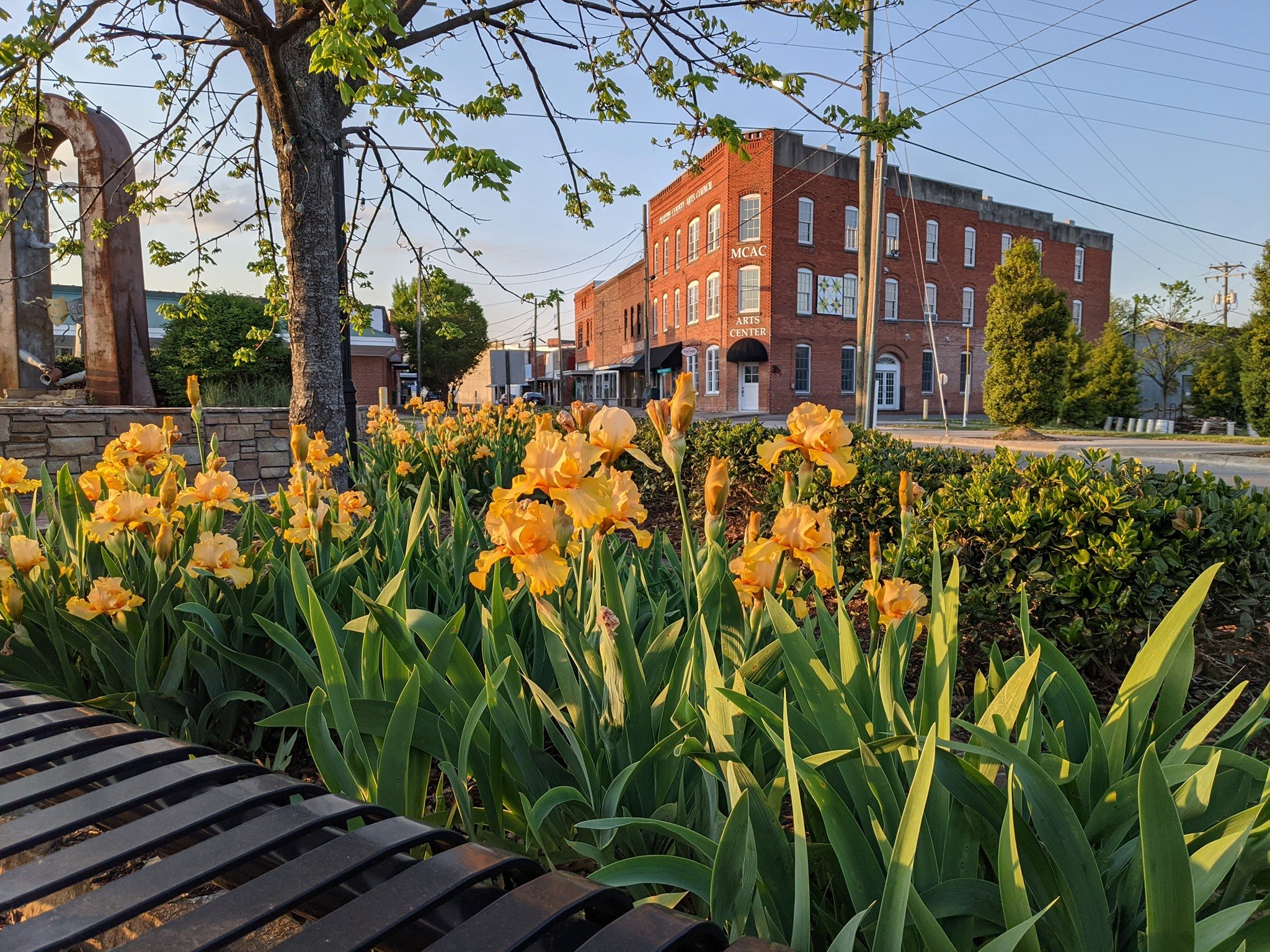
Northeast transition
Williamston
Roanoke River support and the southern threshold of the long U.S. 17 corridor toward Virginia.
Quiet nature pause
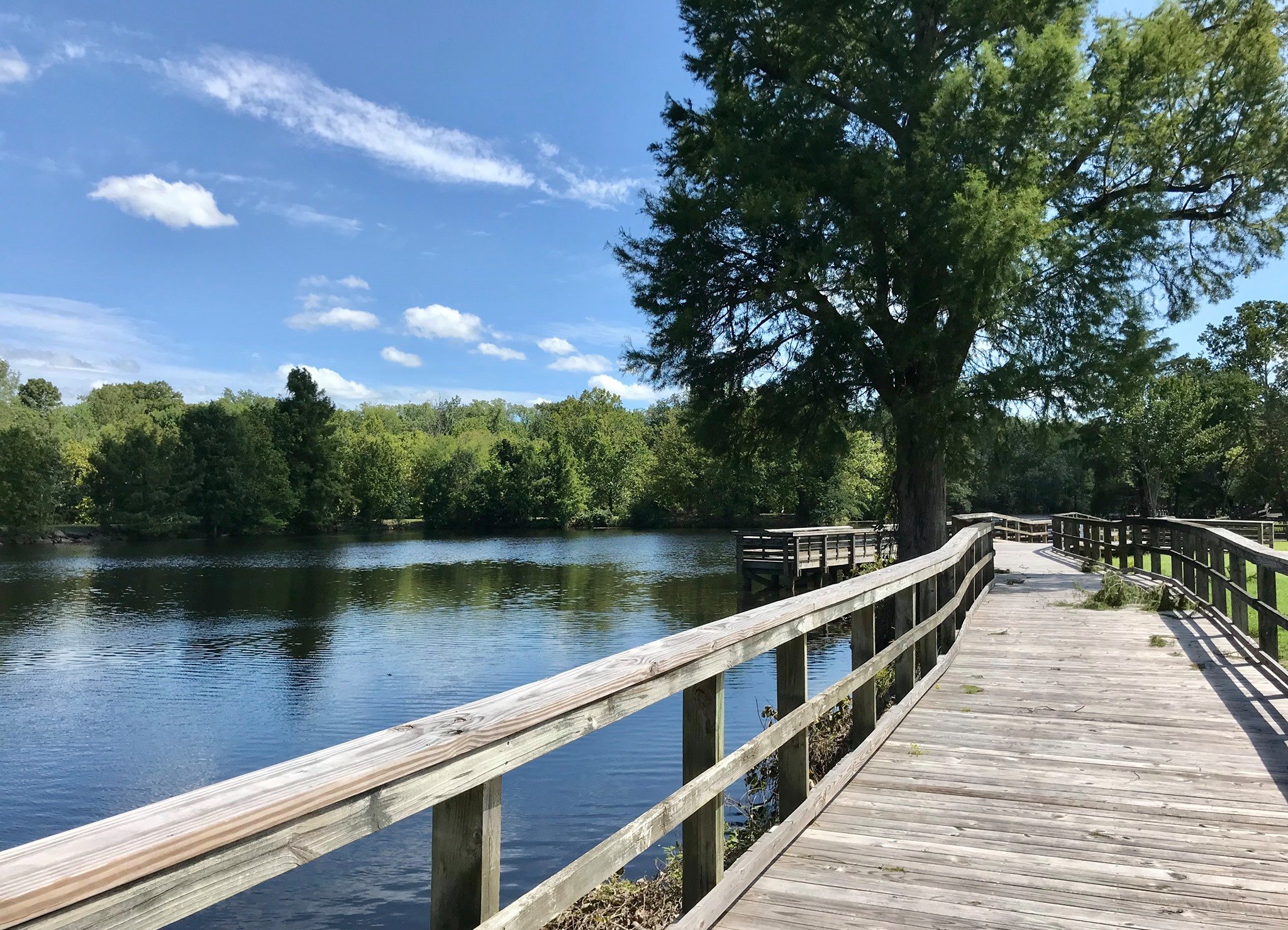
Windsor
Cashie River, wetlands, and boardwalk context between Williamston and Edenton.
Virginia handoff
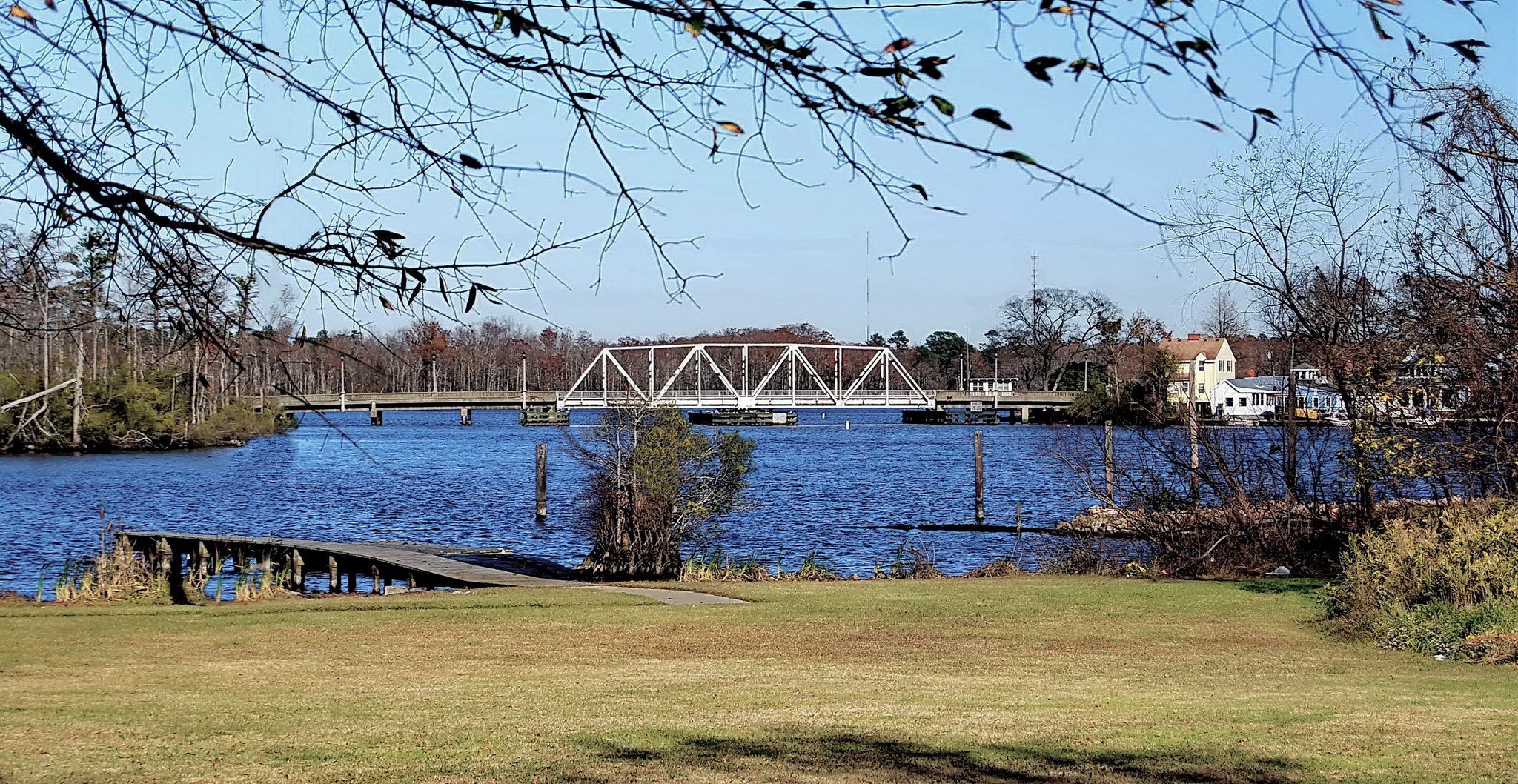
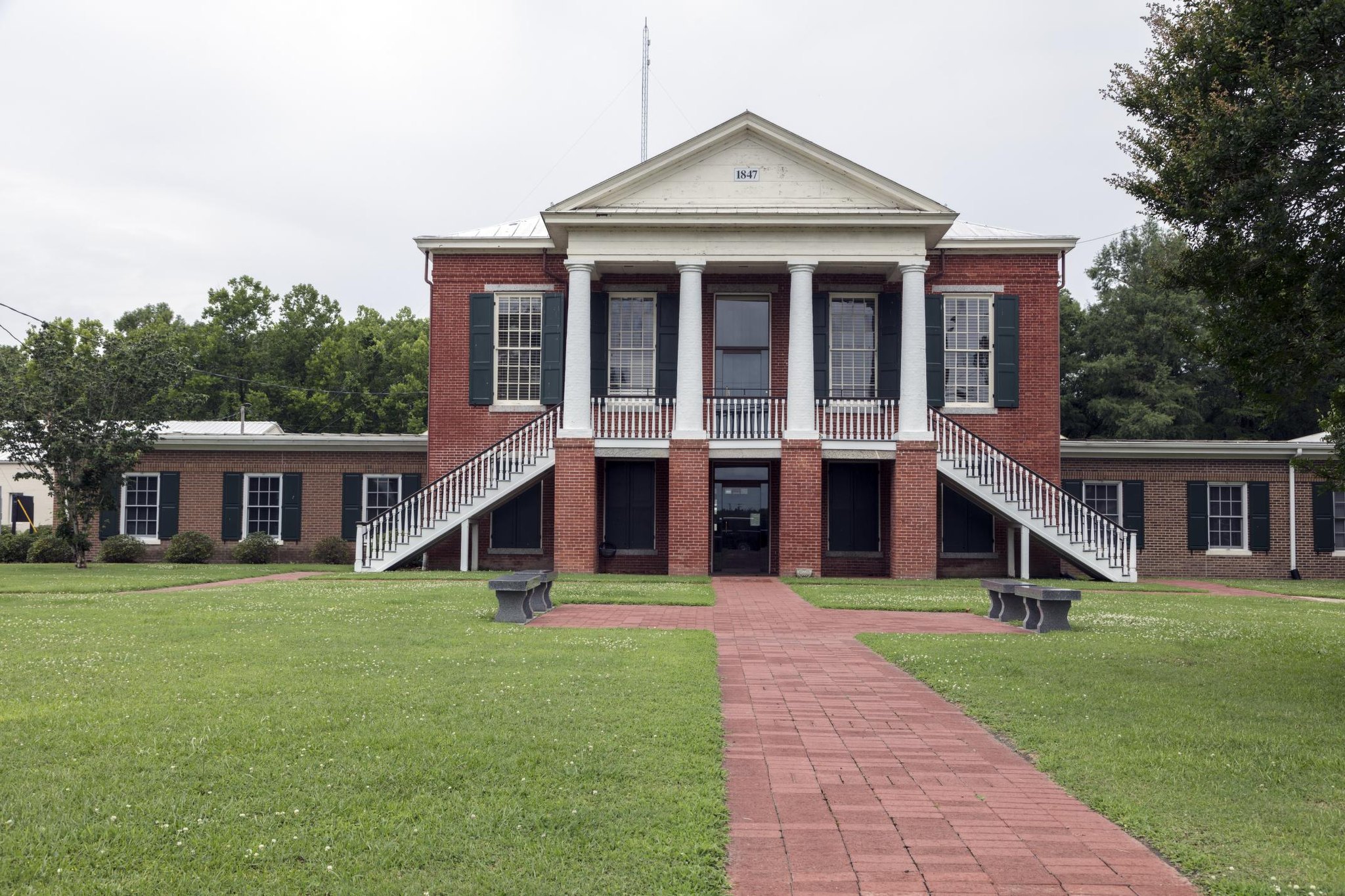
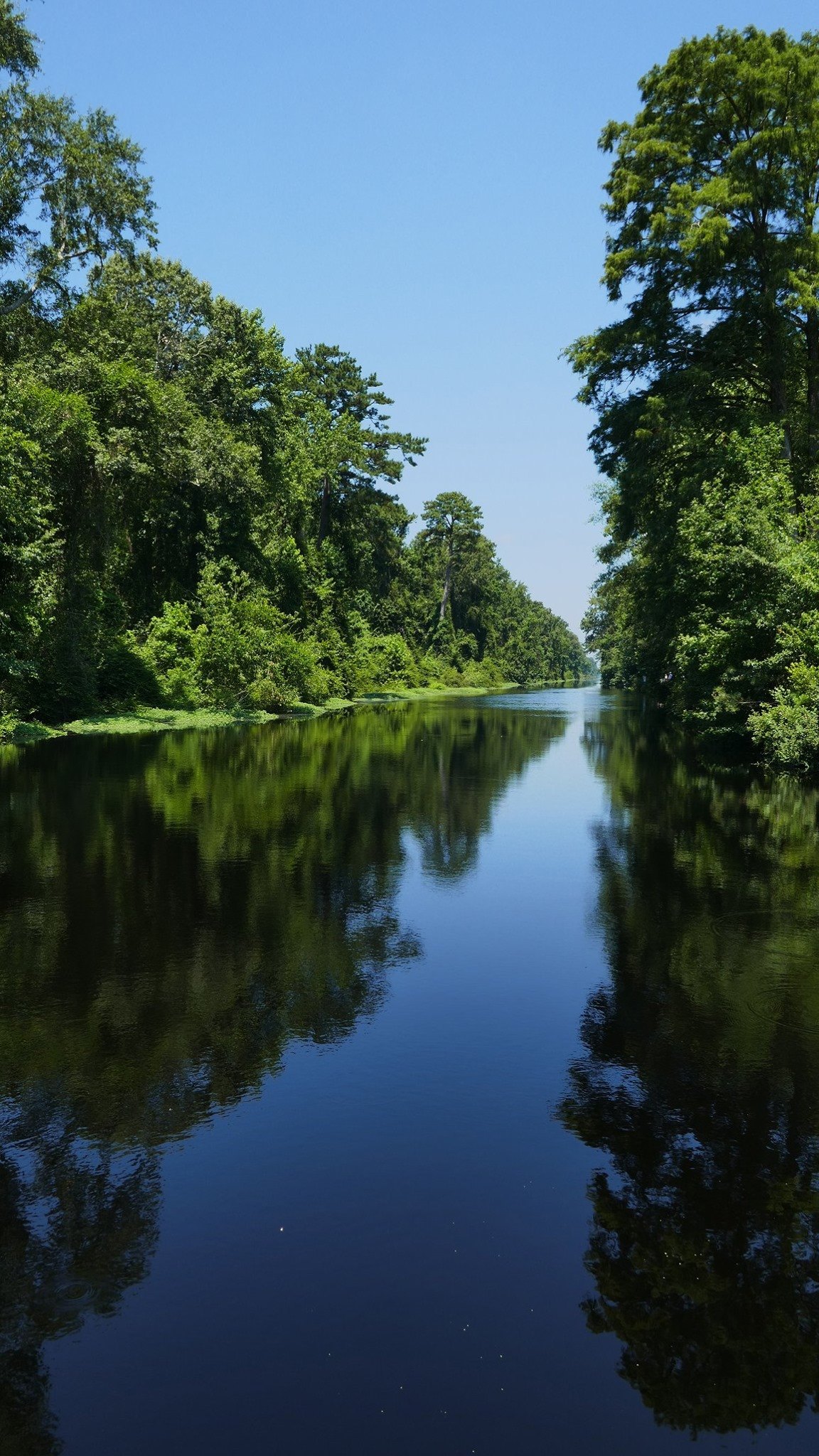
South Mills
Highway 17 welcome-center, state-park, and canal context immediately before Virginia.
Where to pause, reset, or go deeper
Choose the pause that matches the day: Wilmington for city scale, New Bern for a river reset, Edenton for a quieter historic middle, or Elizabeth City for the Virginia handoff.
City anchor
Wilmington
Use Wilmington when the state should feel like a real overnight or a clear arrival.
Open Wilmington
River-town reset
New Bern
Use New Bern when the day needs one deliberate pause in the middle of the state.
Open New Bern
Slow history
Edenton
Use Edenton when the route should feel quieter, older, and more measured.
Open Edenton
Northern cue
Elizabeth City
Use Elizabeth City as the practical last stop before Virginia takes over the corridor.
Open Elizabeth CityRelated trip and state layers
Use these links to connect the segment with its state chapters, the four-anchor trip, the southern companion trip, and the Virginia continuation.
Southbound context
South Carolina
Use the South Carolina page when you want the Charleston-to-Wilmington handoff in view.
State frame
North Carolina
Use the state page when the river-and-sound chapter needs its broader frame.
Four-anchor trip
Wilmington to Elizabeth City
Use the trip page when you want the practical sequence behind this segment.
Next state
Virginia
Use the Virginia page when the last North Carolina stop is the setup for the next chapter.
Southern companion
Charleston to Wilmington
Use the southern trip page when Wilmington is the finish rather than the launch.
Carry this driving chapter
Print the North Carolina Cape Fear-Inner Banks-Albemarle chapter planner
The 4-page sheet turns this live chapter into a paper sequence for entry decisions, driving rhythm, anchors, backup stops, reset choices, current checks, and the next-chapter handoff.